
🔻If no party wins a decisive victory, how is the government formed?
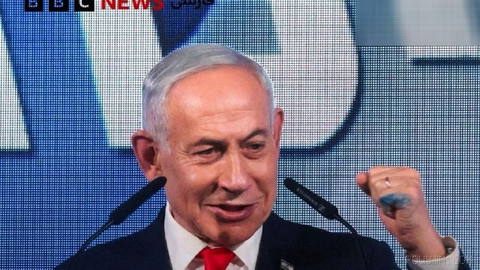
🔻Since the establishment of Israel in 1948, governing has always been the responsibility of coalition governments. Will the current prime minister, Benjamin Netanyahu, also be present in the next government?
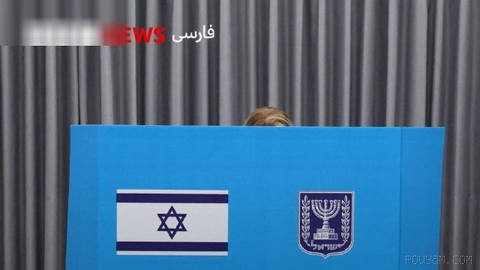
Yesterday, on October 27, Israelis went to the polls in the first nationwide election in this country after the Hamas attacks of October 7, 2023.
As Election Day approached, polls indicated that this race would be one of the closest contests in recent years, and most election analysts predicted that no party would have a guaranteed win.
The polls confirmed this and showed that the Gadi Eisenkot alliance would obtain the highest number of seats, but the Likud Party led by Netanyahu would still remain the largest single party in the Israeli parliament.
Now, with about 70% of the votes counted, it has been determined that Benjamin Netanyahu is leading, but he still does not have a parliamentary majority. The Israeli parliament, the Knesset, has 120 seats, and to form a government, it must hold 61 seats.
Governments in Israel have always been coalitions of several parties, and the current government of this country was formed from a coalition led by Benjamin Netanyahu.

Comments
Top comments