
The attack on a Saudi airport has brought Middle East equations into a new phase 🖌Frank Gardner: BBC security correspondent John Daws on: BBC correspondent in Jerusalem
The Houthis, as part of what is called the “Axis of Resistance,” are considered one of Iran’s important strategic partners.
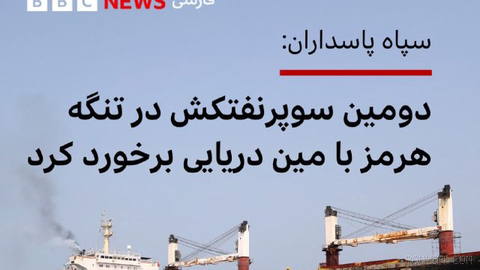
The shipping route across the Red Sea has gained increasing importance; because the Strait of Hormuz, on the other side of the Persian Gulf, has still not been fully reopened. This situation continues while Iran and the United States have still not been able to reach an agreement to end the war.
Targeting ships in the Red Sea is another way through which the Houthis try to create leverage. These attacks cause economic damage worldwide, and this has become one of Tehran’s important bargaining tools.
In early September, the White House announced that it does not intend to intervene directly in the Yemen war, but it may provide intelligence support to Saudi Arabia. The White House later confirmed that it is providing intelligence to Saudi Arabia and that it has also sent military experts to this country.
However, it appears that the recent attack on Riyadh—which resulted in the death of an American citizen—may have pushed conditions into a new phase.
In remarks to reporters, Donald Trump, the U.S. president, described Saturday’s attack as “terrible” and spoke about the possibility of U.S. military involvement alongside Saudi Arabia.
However, it now seems that the likelihood of such an intervention, at least before next month’s momentous U.S. midterm elections, is not very high.


Comments
Top comments