



Qashqavi: The Islamic Republic does not accept the southern corridor of the Strait of Hormuz
🔸Hassan Qashqavi, the spokesperson of the National Security and Foreign Policy Commission of the Iranian parliament, says the Islamic Republic does not accept the “imposed” “America’s” corridor in the south of the Strait of Hormuz.
🔸He told the Mehr News Agency (Mizan) that the United States sought to “impose” the southern corridor with “pressure and threats” and “contrary to Article 5 of the 14-article agreement of Islamabad.”
🔸Qashqavi added that this corridor will not “meet” Iran’s national security and national interests, and Tehran has therefore explicitly announced its opposition to the Omani side.
🔸The Islamic Republic says only Tehran and Muscat have the right to determine the form and type of management of this important international waterway, but so far it has attacked several ships that, with permission from this country, intended to pass through the Strait of Hormuz from near Oman’s coasts several times.
🔸The parliament’s national security spokesperson also added that the situation in the Strait of Hormuz will not return to “pre-war conditions.”
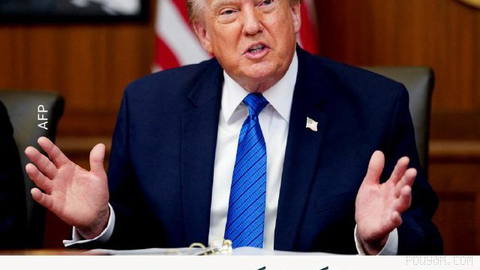
🔸These remarks are being made while the government of Donald Trump, the U.S. president, has announced that an agreement to open this strategic waterway could be finalized by Wednesday, 14 Mordad.
🔸He warned that if the Islamic Republic refuses to comply with the agreement, Iran will suffer “heavy blows.”
🔸Scott Bessent, the U.S. Treasury Secretary, also said in an interview with CNBC: “There is a possibility that today or tomorrow (Tuesday or Wednesday) we reach an agreement to reopen the strait and move toward a more normal situation in this conflict.”
🔸Following the start of the war between the United States and Israel against Iran in Esfand of the previous year, Tehran closed the Strait of Hormuz and the United States also began a naval blockade against Iran. After the signing of the agreement between the United States and the Islamic Republic in late Khordad, the waterway reopened and the naval blockade ended, but after the latest round of clashes from mid-July, Iran again claimed that the Strait of Hormuz had been closed, and the U.S. Army resumed the blockade.
Comments
Top comments