



🔶 Executions of protesters in the protest square; a display of power or a show of fear?
🔻A report by Atifeh Chaharmahali
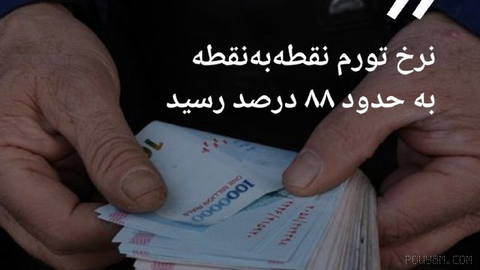
A wave of executions in recent months is accelerating amid Iran’s continued struggle with the consequences of war, inflation, the devaluation of the national currency, an energy crisis, and rising social discontent. In this context, the public execution of these two young men was the second stage of carrying out the sentences in the so-called “Aliqhani Square” case. According to HRANA, in that case, out of 59 detainees, 14 have been sentenced to death.
Saeed Payvandi, a sociologist and a university professor in France, says that the public execution of this death sentence cannot be understood “independently of the current situation of Iranian society.” In an interview with DW Farsi, referring to the results of a survey published by Ali Rabiei, a former government adviser, which shows widespread public dissatisfaction and anger toward the government, he says that the intensification of punishments—especially executions in public—is carried out with the aim of deterring potential protests.
Mehrangiz Kar, a lawyer and writer, also tells DW Farsi: “The Islamic Penal Code does not contain a clear ruling regarding the public execution of a death sentence, and its implementation is carried out based on an internal directive and with the approval of the head of the Judiciary. If the implementation of a policy of intimidation requires it, the head of the Judiciary grants permission and the execution is carried out in public.”

Comments
Top comments