
🔶 Inflation in the euro area has crossed the four percent mark
Based on preliminary data published by the European Union’s statistics office (Eurostat), inflation in the euro area has risen by 4% compared with the same period last year.
The inflation rate was recorded at 3.8% in September.
The main driver of price increases is energy carriers; energy prices in the euro area have jumped 20.8% compared with the same month last year, while this figure was 18.9% in September.
In addition, service prices increased by 3.3% and prices for food, beverages and tobacco rose by 1.6% compared with the previous year.
Stefan Schønwald, an expert at Germany’s state development bank (KfW), says in his analysis: “Given the unresolved crisis and disputes with Iran, the four percent inflation rate may continue to accompany us in the coming months as well. It is expected that only in the second quarter of 2027, with energy prices leaving the year-on-year comparison base, we will see a noticeable easing of inflationary pressure.”
In Germany, due to temporary tax relief on fuel at petrol pumps, the inflation rate has been slightly adjusted.
In Europe’s largest economy, goods and services were 2.8% more expensive for consumers in October than a year earlier.
Meanwhile, Lithuania recorded inflation of 6.1% in October, the highest rate among euro area countries.
The European Central Bank (EZB) has targeted inflation of 2% in the medium term for the euro area.
However, policymakers at this financial institution last week refrained from raising their interest rates again.
At present, the deposit interest rate, which is a key indicator for banks and depositors, remains at 2.5%.
Even so, market participants expect that at the ECB’s last management meeting before Christmas, the key rate will be increased.
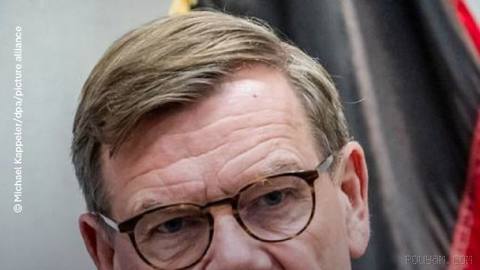
Signals in this regard have recently also been sent by Joachim Nagel, president of the German central bank (Bundesbank).
He said in a speech in Berlin on Tuesday, 3 November (12 Aban): “From today’s perspective, an increase in interest rates in December will most likely be necessary.”
Nagel added that although the ECB’s governing council did not raise interest rates at its meeting last week, the inflation outlook has recently worsened.
According to him, the main reason for this jump in consumer prices is the rise in energy prices due to ongoing clashes and crises in the Middle East.
Hashtags:



Comments
Top comments