
Rocket Lab's 100th Electron Launch: Date, Time, Mission
- 4 views
- 0 likes
- 0 comments
- All languages combined
In short
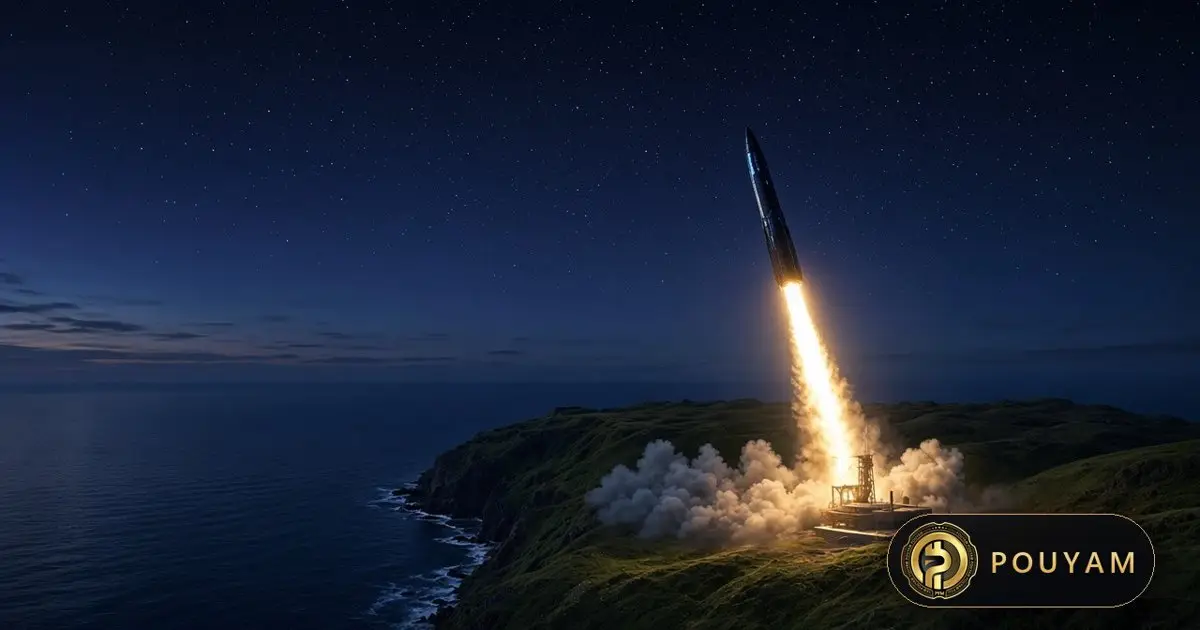
As of 13 November 2026, Rocket Lab's 100th Electron launch, named The Mountain God Rises, is scheduled no earlier than 14 November from New Zealand, carrying an iQPS Earth-imaging radar satellite; the flight would make Electron the fastest commercially developed rocket to reach 100 launches [1][2].
Key takeaways
- Rocket Lab's 100th Electron launch, 'The Mountain God Rises', is set for no earlier than 14 November 2026 [1][2].
- The launch window opens at 6:30 p.m. NZDT (05:30 UTC) from Launch Complex 1 in Mahia, New Zealand [1][2].
- It will deploy iQPS's QPS-SAR-19 satellite, 'YAMATSUMI-II', into a 575 km orbit at 42 degrees inclination [1][4].
- Reaching 100 launches would make Electron the fastest commercially developed rocket to do so, Rocket Lab says [2].
- Electron first flew in 2017 and was the first carbon-composite orbital rocket, powered by the 3D-printed Rutherford engine [2].
- As of 13 November 2026 the launch had not yet happened; dates can slip, so treat the time as provisional [1].
On this page 11 sections
- When is Rocket Lab's 100th Electron launch?
- What is the Mountain God Rises mission carrying?
- Why is the 100th Electron launch a milestone?
- What makes Electron different from other rockets?
- How does an Electron launch unfold?
- Who is iQPS and what is QPS-SAR?
- What comes after Electron's 100th launch?
- Common mistakes
- Frequently asked questions
- Glossary
- Sources
When is Rocket Lab's 100th Electron launch?
No earlier than 14 November 2026, with the window opening at 6:30 p.m. New Zealand Daylight Time, which is 05:30 UTC [1][2]. Rocket Lab announced on 12 November 2026 that its 100th Electron rocket was scheduled to launch at the end of that week [2].
The mission is named "The Mountain God Rises" and will lift off from Rocket Lab Launch Complex 1 in Mahia, New Zealand [1][2]. Rocket Lab's mission page lists the launch as NET, no earlier than, 14 November, reflecting that the exact time can move [1].
For viewers elsewhere, Rocket Lab's launch window table gives the opening time across zones [1]:
- NZDT: 6:30 p.m., 14 November
- UTC: 05:30, 14 November
- JST: 2:30 p.m., 14 November
- EST: 12:30 a.m., 14 November
- PST: 9:30 p.m., 13 November
Rocket Lab said the mission would be broadcast live on its YouTube channel, with coverage beginning around 5:30 p.m. NZDT, an hour before the scheduled lift-off [2]. The New Zealand Herald described a one-hour window opening at 6.30 p.m. [6]. Launch trackers list the same plan: Next Spaceflight shows The Mountain God Rises flying on an Electron with its Curie-powered Kick Stage from Launch Complex 1 [5]. As of 13 November 2026 the launch had not yet taken place, and no source reports an outcome; the sections below describe the plan, not a confirmed result [1][2].
What is the Mountain God Rises mission carrying?
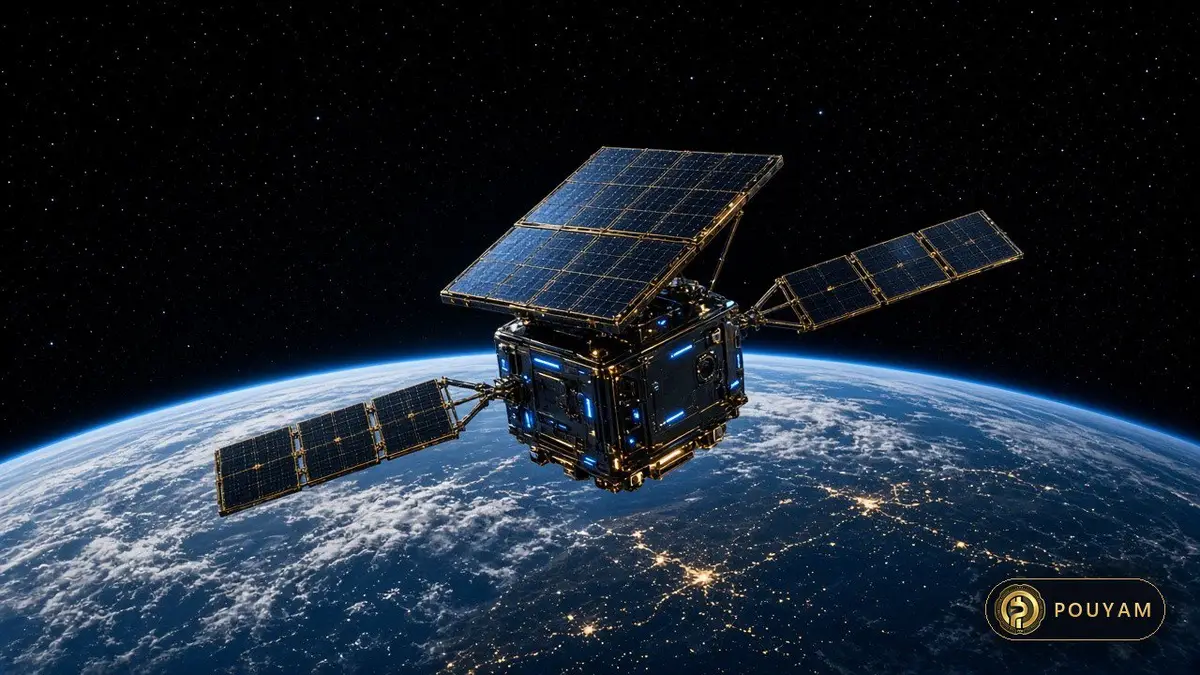
A single Earth-imaging radar satellite for the Japanese company iQPS [1][2]. The payload is QPS-SAR-19, named "YAMATSUMI-II", built by the Institute for Q-shu Pioneers of Space, Inc. (iQPS) of Fukuoka, Japan [1][4].
Rocket Lab's mission page says the flight will deploy the satellite to a 575 km low Earth orbit at an inclination of 42 degrees [1]. iQPS confirmed the same target orbit, a mid-inclined orbit at 575 km altitude [4].
QPS-SAR satellites carry synthetic aperture radar, which can image the ground day or night and through cloud [1]. Rocket Lab describes itself as the primary launcher for the iQPS commercial radar constellation, which is designed to deliver high-resolution, near-real-time imagery to users worldwide [1][3]. According to Coelestium, iQPS aims to field 24 QPS-SAR satellites by May 2028, and more by 2030, so it can revisit regions almost anywhere at an average interval of about 10 minutes [3].
Why is the 100th Electron launch a milestone?
Rocket Lab says it would make Electron the fastest commercially developed rocket to reach 100 launches [2]. The company called the flight "a historic moment for the global space industry", setting a record for reaching 100 launches faster than any other commercially developed launch vehicle [2].
Electron first flew in 2017 [2]. Rocket Lab describes reaching 100 launches as "an unprecedented milestone for a commercial small-lift orbital rocket and a threshold rarely crossed in modern spaceflight" [1]. It frames the choice of an iQPS Earth-observation satellite as fitting, reflecting "the very mission that started it all: opening up access to space to improve life on Earth" [1]. The 100th flight follows 99 earlier launches, a count that includes suborbital HASTE flights, a variant of Electron [6]. Rocket Lab says the flights have steadily opened up frequent, dedicated rides to orbit for small satellites [1].
The claim is Rocket Lab's own [2]. Electron is a small-lift rocket; the record Rocket Lab cites is specifically for a commercially developed launch vehicle reaching 100 launches, and the company notes it is "on track to be the world's first commercial small-lift orbital rocket to reach 100 launches" [2].
What makes Electron different from other rockets?
Its carbon-composite body and 3D-printed, electric-pump engines set it apart [2]. Rocket Lab lists several firsts and achievements for Electron [2]:
- Carbon composite: Electron was the first carbon-composite orbital launch vehicle [2].
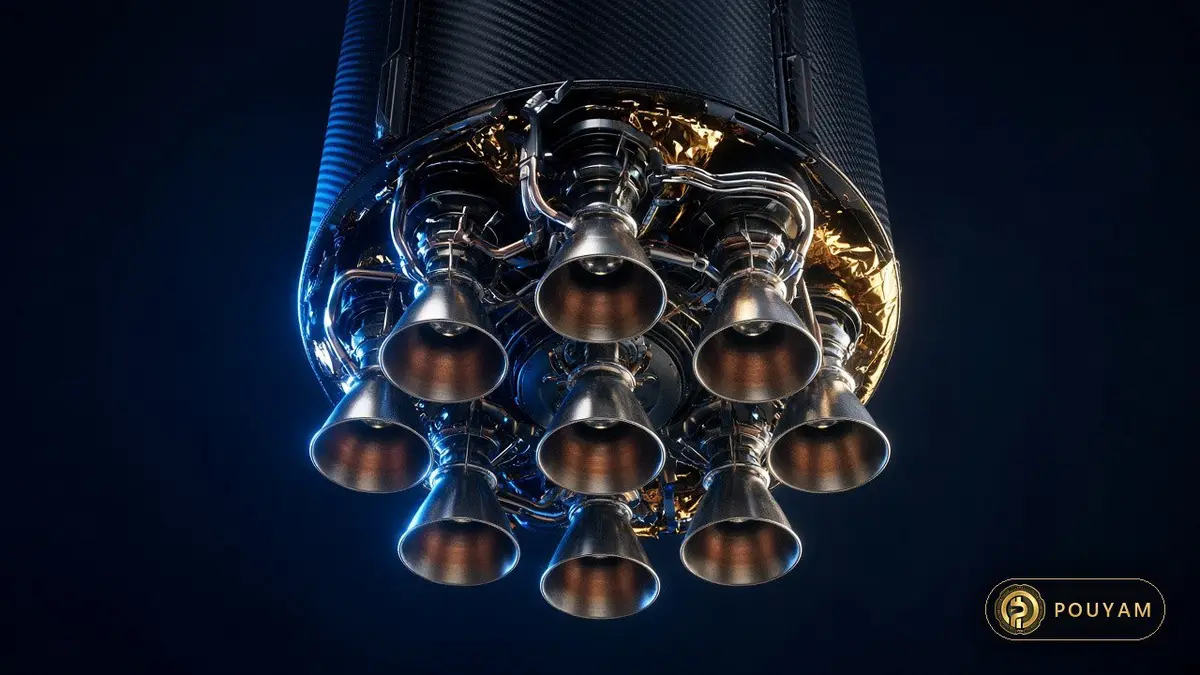
- Rutherford engine: it is powered by the first 3D-printed orbital rocket engine, Rutherford, which is also the first rocket engine to use electric fuel pumps instead of traditional gas turbines [2].
- Two hemispheres: Rocket Lab launches from Virginia in the United States as well as New Zealand, where it built what it calls the world's first private orbital launch complex [2].
- Responsive launch: earlier in 2026 Electron set a responsive-space record, launching with just 16 hours and 42 minutes of notice for the U.S. Space Force [2].
Electron is a small-lift rocket, designed to carry small satellites to orbit rather than heavy payloads [1]. Rocket Lab says Electron has become one of the world's most frequently launched rockets since 2017 and has redefined access to space for small satellites [2].
How does an Electron launch unfold?
From engine ignition to payload release takes about 50 minutes, according to Rocket Lab's published timeline [1]. The key moments for The Mountain God Rises, measured from lift-off [1]:
- Ignition and lift-off: the Rutherford engines ignite two seconds before lift-off at T-0 [1].
- Early ascent: the vehicle goes supersonic at 57 seconds and passes Max Q, the point of maximum aerodynamic pressure, at 1 minute 8 seconds [1].
- Stage separation: main engine cut-off comes at about 2 minutes 25 seconds, followed by stage separation and second-stage ignition, with the fairing jettisoned at 3 minutes [1].
- Orbit: second-stage engine cut-off is at about 9 minutes, then the Kick Stage separates [1].
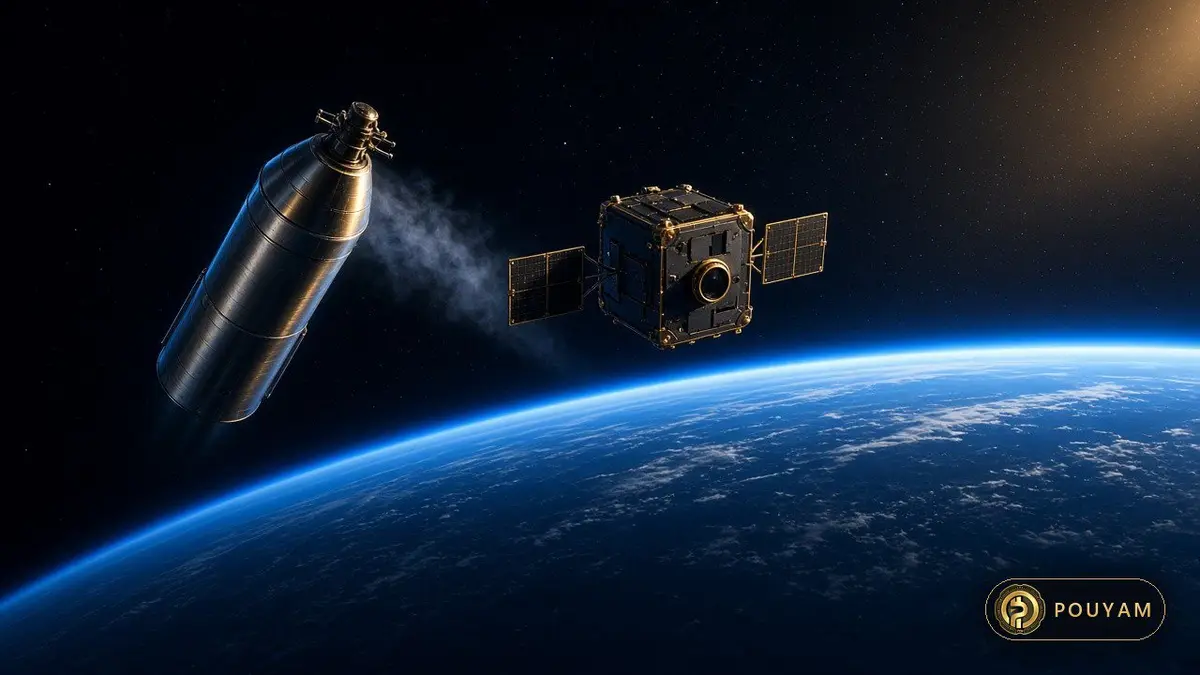
- Deployment: the Kick Stage's Curie engine fires at about 46.5 minutes, and the payload is released around 50 minutes after lift-off [1].
These times are the plan Rocket Lab published for the mission and can vary slightly in practice [1].
Who is iQPS and what is QPS-SAR?
iQPS is a Japanese satellite company building a radar imaging constellation, and QPS-SAR is the name of its satellites [1][4]. The full name is the Institute for Q-shu Pioneers of Space, Inc., based in Fukuoka, Japan [4].
The satellite on this flight is QPS-SAR-19, nicknamed "YAMATSUMI-II" [4]. SAR stands for synthetic aperture radar, a technique that builds detailed images using radar rather than visible light, so it works at night and through cloud cover [1].
Rocket Lab says it is the primary launcher for the iQPS constellation [1][3]. The company describes the constellation as being developed and deployed at a rapid pace to provide high-resolution, near-real-time SAR imagery to global users [1]. Coelestium reports iQPS aims for 24 satellites by May 2028 and more by 2030, targeting revisit times averaging about 10 minutes for many regions [3].
What comes after Electron's 100th launch?
More Electron flights and the debut of Rocket Lab's larger Neutron rocket [2]. Rocket Lab describes Neutron as an "upcoming reusable" medium-lift rocket, alongside its current small-lift Electron and the HASTE suborbital variant [2].
The company says its satellites and components have powered more than 1,700 missions in Earth orbit, as well as deep-space exploration of the Moon, Mars and beyond [2]. The 100th Electron flight sits within that broader push to provide frequent, responsive access to space [2].
For now, the immediate step is the launch itself. Because the mission is listed as no earlier than 14 November, the date or time could move [1]. The New Zealand Herald reported on 12 November that Rocket Lab had described the local forecast as "bit iffy" earlier in the week but remained hopeful the launch would go ahead as planned [6]. This reflects Rocket Lab and iQPS information available on 13 November 2026; Rocket Lab's live updates are the place to confirm the outcome [1][2].
If the attempt on 14 November is scrubbed, Rocket Lab's live coverage and mission page are the places to look for a new target time [1][2]. Independent trackers such as Next Spaceflight also update the schedule as it changes [5].
For another space mission making news this month, see Hera Mission: What ESA Found at DART's Asteroid Target.
| Item | Detail | Source |
|---|---|---|
| Mission name | The Mountain God Rises | Rocket Lab [1] |
| Rocket | Electron (100th launch) | Rocket Lab [2] |
| Launch date | NET 14 November 2026 | Rocket Lab [1] |
| Window opens | 6:30 p.m. NZDT / 05:30 UTC | Rocket Lab [1]; iQPS [4] |
| Launch site | Launch Complex 1, Mahia, New Zealand | Rocket Lab [1] |
| Payload | iQPS QPS-SAR-19 'YAMATSUMI-II' | iQPS [4] |
| Target orbit | 575 km, 42 degrees inclination | Rocket Lab [1] |
| First Electron flight | 2017 | Rocket Lab [2] |
Common mistakes
Treating the launch as already completed.
Fix: As of 13 November 2026 it was scheduled no earlier than 14 November, not yet flown [1].
Assuming the date and time are fixed.
Fix: It is listed as NET, no earlier than, so the date and time can move [1].
Saying Electron is the fastest rocket ever to 100 launches.
Fix: Rocket Lab's record is for a commercially developed launch vehicle [2].
Thinking the payload is a Rocket Lab satellite.
Fix: It is QPS-SAR-19 for the Japanese company iQPS [4].
Confusing Electron with a heavy-lift rocket.
Fix: Electron is a small-lift rocket; Rocket Lab's larger Neutron is still upcoming [1][2].
Frequently asked questions
When is Rocket Lab's 100th Electron launch?
No earlier than 14 November 2026, with the window opening at 05:30 UTC (6:30 p.m. NZDT) [1][2].
What is the mission carrying?
iQPS's QPS-SAR-19 'YAMATSUMI-II' Earth-imaging radar satellite, bound for a 575 km orbit [1][4].
Why is the 100th launch a milestone?
Rocket Lab says it would make Electron the fastest commercially developed rocket to reach 100 launches [2].
What is special about Electron?
It was the first carbon-composite orbital rocket and uses the 3D-printed, electric-pump Rutherford engine [2].
Could the launch date change?
Yes; it is listed as no earlier than 14 November, so it can move. Rocket Lab described the local forecast as "bit iffy" earlier in the week [6].
Glossary
- Electron
- Rocket Lab's small-lift orbital rocket, first flown in 2017.
- NET
- No earlier than; a provisional launch date that may move later.
- Rutherford
- Electron's 3D-printed engine, the first to use electric fuel pumps.
- Synthetic aperture radar (SAR)
- A radar imaging method that works day or night and through cloud.
- Low Earth orbit
- An orbit relatively close to Earth, here about 575 km up.
- Kick Stage
- Electron's upper stage that places satellites precisely into orbit.
Sources
- The Mountain God Rises Rocket Lab · 2026-11-12
- Rocket Lab To Launch Milestone 100th Electron Rocket This Week Rocket Lab (GlobeNewswire) · 2026-11-12
- Rocket Lab targets Nov. 14 for Electron's 100th launch Coelestium · 2026-11-06
- 'The Mountain God Rises' Mission, QPS-SAR-19 'YAMATSUMI-II' Scheduled for Launch on Rocket Lab's Electron iQPS, Inc. · 2026-11-06
- The Mountain God Rises | Electron/Curie Next Spaceflight
- Rocket Lab prepares for 100th launch as fans organise watch parties: 'Golden milestone' NZ Herald · 2026-11-12



Comments
Top comments