
Ozone Hole 2026: How Big It Got and Is It Healing?
- 3 views
- 0 likes
- 0 comments
- All languages combined
In short
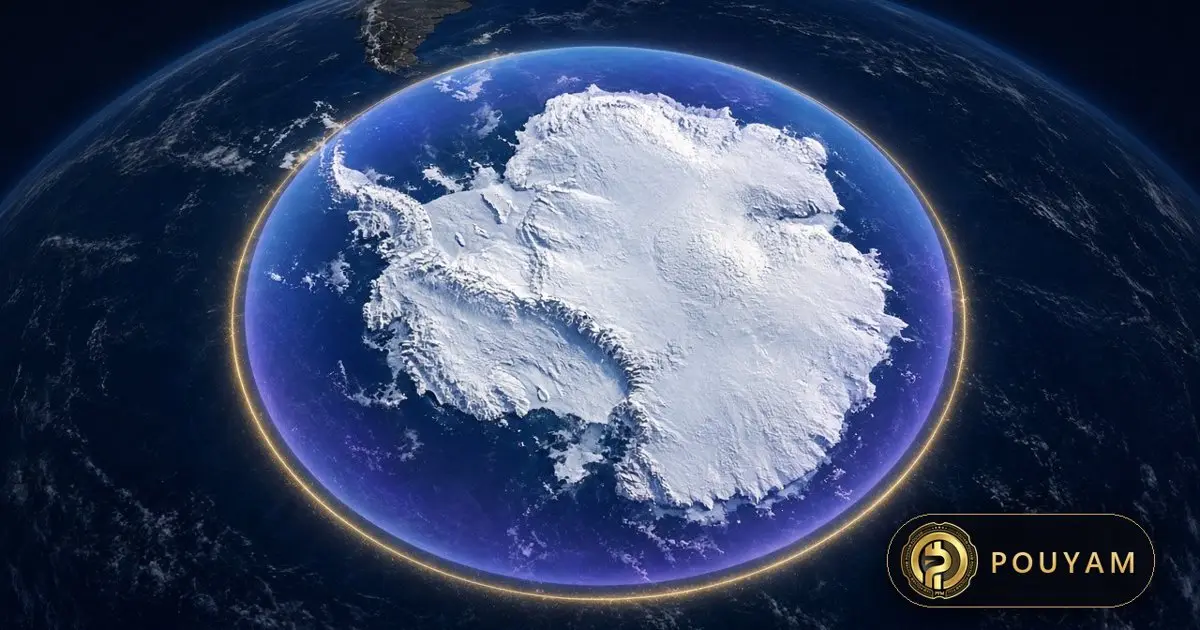
As of 13 November 2026, NOAA and NASA rank the 2026 Antarctic ozone hole as the seventh largest in 48 years of monitoring, averaging 25 million km² from 7 September to 13 October and peaking at 27.1 million km² on 18 September; a strong polar vortex caused it, and recovery remains on track [1][2].
Key takeaways
- The 2026 ozone hole averaged about 25 million km² (9.6 million square miles) during peak season, more than twice the area of the United States [1].
- It peaked on 18 September at 27.1 million km², about 90% of the largest single-day hole, observed on 9 September 2000 [1].
- An unusually strong and large polar vortex, not a rise in ozone-depleting chemicals, drove the size [1][2].
- It was less deep than record holes: ozone over the South Pole bottomed at 105 Dobson units on 17 October, against a record low of 92 in 2006 [1].
- Newman estimates the 2026 hole could have been about 3.5 million km² larger if ozone-depleting substances were still at their year-2000 peak [1].
- NOAA and NASA still expect the ozone hole to recover by the 2070s [1][2].
On this page 11 sections
How big was the ozone hole in 2026?
The 2026 Antarctic ozone hole was the seventh largest in 48 years of monitoring, NOAA and NASA reported on 4 November 2026 [1][3]. During peak depletion season, 7 September to 13 October, it averaged about 9.6 million square miles (25 million square kilometres), more than twice the area of the United States [1].
It reached its biggest single-day extent on 18 September, at 10.5 million square miles (27.1 million km²) [1][2]. NOAA says that is about 90% as large as the largest ozone hole ever observed, on 9 September 2000 [1]. CIRES, which also reported the findings, describes the peak as about three times the size of the United States [4].
"An unusually powerful polar vortex has extended ozone depletion in the Antarctic this season, allowing the hole to grow to proportions we haven't seen in a decade," said Paul Newman of the University of Maryland, longtime leader of NASA's ozone research team at Goddard Space Flight Center [1]. NASA's Earth Observatory published its map of the 2026 maximum on 9 November [2].
Why was the 2026 ozone hole so large?
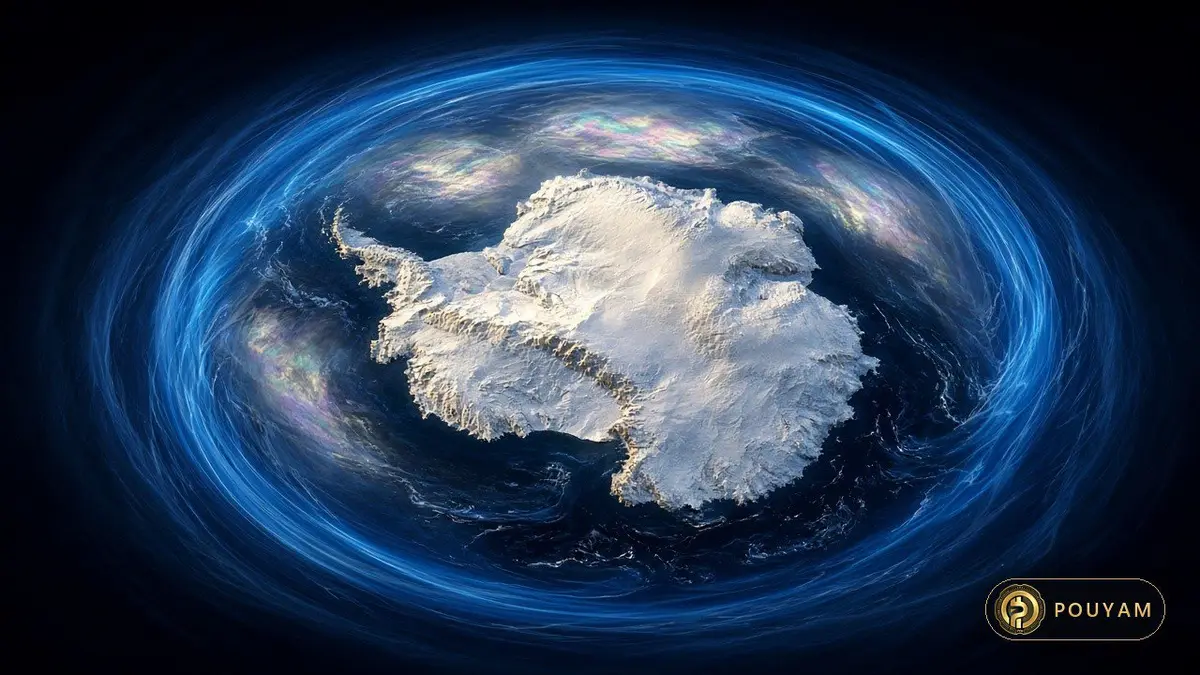
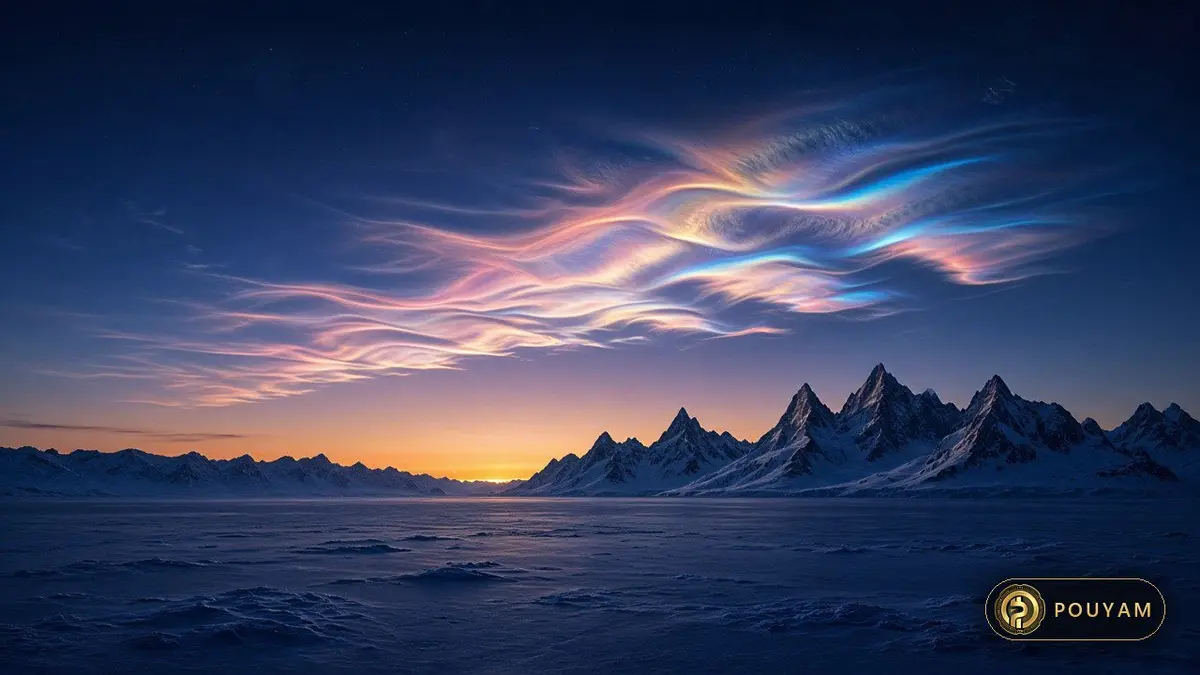
Weather in the stratosphere, specifically an unusually strong and large Antarctic polar vortex [1][2]. The polar vortex is a seasonal ring of wind around Antarctica that corrals the frigid air needed to form polar stratospheric clouds, on which chlorine and bromine destroy ozone [1].
"The polar vortex was unusually large this year in part because planetary-scale weather systems that typically well up from the lower atmosphere and break up the vortex were especially weak in August and September," said Amy Butler of the NOAA Chemical Sciences Laboratory [1]. That kept the strongest winds several degrees of latitude farther from the South Pole, enlarging the area where ozone loss could happen [1].
NASA's Earth Observatory explains the general rule: year-to-year changes come from stratospheric temperature and circulation, and colder conditions bring a larger area and lower ozone in the core [2]. The opposite happened in 2019, when abnormal upper-atmosphere weather produced the smallest hole since 1982 [2].
In short, the size reflects the weather, not a reversal of the long-term decline in ozone-depleting chemicals [1].
Is the ozone hole healing?
Yes, slowly. NOAA and NASA say the ozone layer remains on track to recover, with the Antarctic hole expected to heal by the 2070s [1][2].
"The annual ozone hole has been forming later in the season in recent years, which tells us the ozone layer is healing," Newman said [1]. He added that the 2026 hole "could have been 1 to 2 million square miles (3.5 million square kilometers) larger if ozone-depleting substances were as prevalent in the atmosphere today as they were at their year 2000 peak" [1].
The chemistry backs that up. Stephen Montzka of NOAA's Global Monitoring Laboratory says chlorine levels from ozone-depleting substances in the Antarctic stratosphere have fallen by about a third relative to levels reached in the 1980s [1]. NASA notes that in 2018 scientists reported the first direct satellite evidence of recovery: a 20% decrease in ozone depletion during Antarctic winter from 2005 to 2016 [2].
But old chemicals linger. Chlorofluorocarbons can stay in the atmosphere, or leak from old fridges, insulation and landfills, for decades, NOAA explains [1]. NASA says stratospheric chlorine will not return to pre-1980 levels until later this century [2].
How deep was the 2026 ozone hole?
Large in area but not especially deep: ozone over the South Pole fell to a 2026 low of 105 Dobson units on 17 October [1]. The lowest value ever recorded over the South Pole was 92 Dobson units, in October 2006 [1].
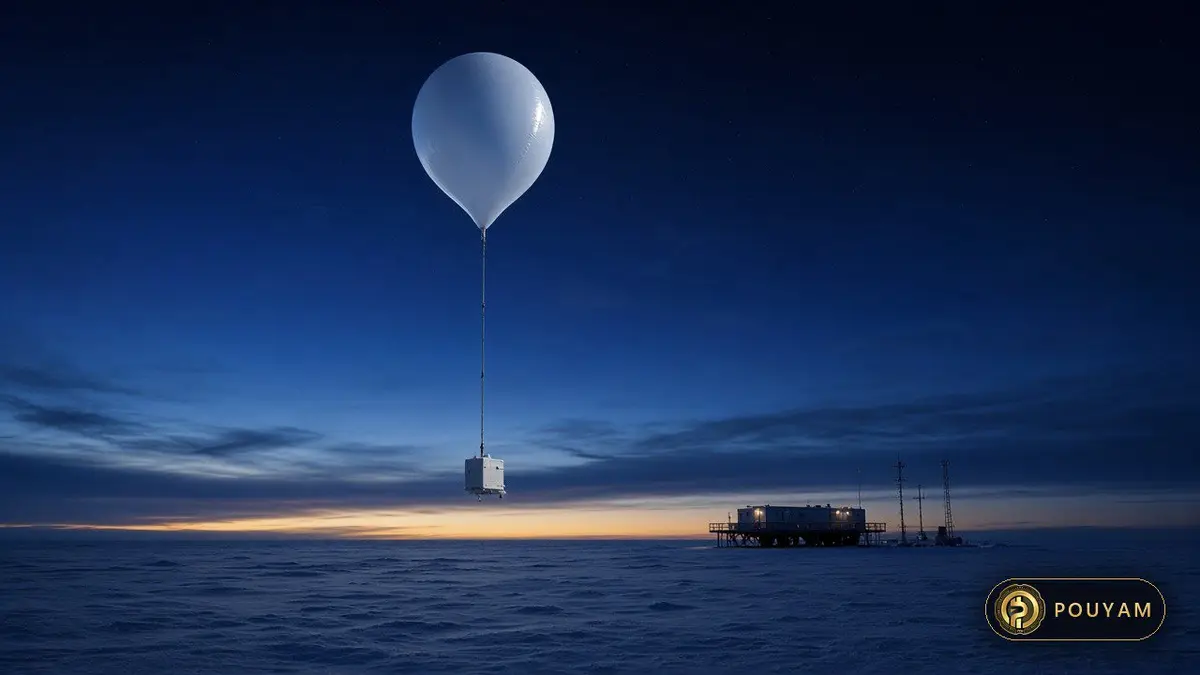
NOAA measured this with balloon-borne ozonesondes launched from the South Pole Baseline Atmospheric Observatory and a Dobson Ozone Spectrophotometer [1]. CIRES notes Dobson instruments have collected data at the South Pole since 1962 [4].
A Dobson unit measures how much ozone sits in a column of air. NOAA explains that 100 Dobson units would form a layer 1 millimetre thick, about as thick as a dime, if compressed at sea-level temperature and pressure [1]. Scientists define the ozone hole as the area where ozone falls below 220 Dobson units, a level never seen before 1979 [2].
NASA's record of maximum depth shows the deepest hole on record in 1994, at 73 Dobson units on 30 September, measured as the lowest value across the whole hole by satellite [2]. Depth and area records have never fallen in the same year [2].
How does 2026 compare with record ozone holes?
2026 ranks seventh by seasonal average area; it is not a record on any measure [1][2]. NOAA and NASA name different record years for "largest", which can confuse headlines:
- Largest single day: 9 September 2000 [1].
- Largest hole, per NASA Earth Observatory: 2006 (it does not name the measure) [2].
- Deepest hole (satellite): 73 Dobson units in 1994 [2].
- Lowest South Pole balloon reading: 92 Dobson units in October 2006 [1].
- Smallest hole since 1982: 2019 [2].
NASA's satellite record runs from 1979, using TOMS instruments until 2004, OMI on Aura from 2005 to 2011, OMPS on Suomi NPP from 2012 to 2025, and OMPS on NOAA-20 in 2026 [2]. NOAA says Aura, NOAA-20, NOAA-21 and Suomi NPP all contributed to this year's monitoring [1]. ScienceDaily's summary of the NOAA release, published on 11 November, describes the hole as having grown to a size not seen in a decade [5].
Why does the ozone hole matter?
Stratospheric ozone acts as Earth's sunscreen, absorbing ultraviolet light [1][2]. NASA says that ultraviolet light damages DNA in plants and animals, including humans, and leads to sunburns and skin cancer [2]. This is not medical advice; for sun protection guidance, follow your national health authority.
The ozone hole forms over Antarctica each southern spring, so its direct effects are concentrated at high southern latitudes [1][2]. NOAA stresses that this protective high-altitude ozone is different from ground-level ozone, an air pollutant mostly caused by human activities [1].
The hole also changed history. In 1985, British Antarctic Survey scientists at Halley Research Station reported spring ozone thinning over Antarctica, and NASA satellites revealed its continental scale [2]. The discovery led to the 1987 Montreal Protocol, which phased out ozone-depleting chemicals [1][2]. NASA estimates about 80% of the chlorine in today's stratosphere comes from human sources [2].
For the wider climate picture this autumn, see State of the Climate 2026: What WMO's COP31 Report Says and El Niño 2026: How Strong It Is and What It Means for Winter.
When will the ozone hole close?
Scientists estimate the Antarctic ozone layer will return to 1980 levels in the 2070s [1][2]. That timeline depends on the continued decline of long-lived chemicals under the Montreal Protocol [1].
Expect ups and downs along the way. NASA says year-to-year fluctuations in area and depth are caused by variations in stratospheric temperature and circulation: abnormal weather limited depletion in 2019, while a strong vortex enlarged the 2026 hole [2]. Newman's point that holes are forming later in the season is one of the signals scientists watch [1].
Monitoring continues from the ground and space. NOAA launches ozonesondes from the South Pole, and satellites including Aura, NOAA-20, NOAA-21 and Suomi NPP contributed to this year's monitoring [1]. NASA's Scientific Visualization Studio published videos on the 2026 hole on 4 November [3].
| Measure | 2026 value | Source |
|---|---|---|
| Rank (seasonal mean area) | 7th largest in 48 years | NOAA [1]; NASA [2] |
| Mean area, 7 Sep–13 Oct | About 25 million km² (9.6 million sq mi) | NOAA [1] |
| Maximum area | 27.1 million km² (10.5 million sq mi) on 18 Sep | NOAA [1]; NASA [2] |
| Share of largest-ever day (9 Sep 2000) | About 90% | NOAA [1] |
| Lowest South Pole ozone | 105 Dobson units on 17 Oct | NOAA [1] |
| Record low South Pole ozone | 92 Dobson units, Oct 2006 | NOAA [1] |
| Extra size if chemicals were at year-2000 peak | About 3.5 million km² | NOAA [1] |
| Expected recovery | 2070s | NOAA [1]; NASA [2] |
Common mistakes
Saying the ozone layer is getting worse because the 2026 hole was large.
Fix: Scientists attribute 2026 to a strong polar vortex; recovery remains on track [1].
Thinking the hole is empty of ozone.
Fix: It is the area below 220 Dobson units; no place is empty of ozone [2].
Confusing stratospheric ozone with smog.
Fix: Ground-level ozone is a pollutant; the ozone layer is high in the stratosphere [1].
Calling 2026 a record year.
Fix: It ranks seventh by seasonal mean area and was not as deep as record holes [1][2].
Linking the ozone hole directly to global warming.
Fix: It is caused mainly by chlorine and bromine compounds; NOAA and NASA attribute this year's size to weather [1][2].
Frequently asked questions
How big was the ozone hole in 2026?
About 25 million km² on average in peak season, peaking at 27.1 million km² on 18 September [1].
Why was the 2026 ozone hole so large?
An unusually strong, large polar vortex created ideal conditions for ozone loss [1][2].
Is the ozone hole healing?
Yes. Chlorine is down by about a third from the 1980s and recovery is expected by the 2070s [1].
How deep was the 2026 ozone hole?
South Pole ozone fell to 105 Dobson units on 17 October, above the 92 DU record of 2006 [1].
How does 2026 compare with record ozone holes?
It ranks seventh by area; the largest single day was in 2000 [1].
Glossary
- Ozone layer
- Ozone in the stratosphere that absorbs harmful ultraviolet light.
- Polar vortex
- A seasonal ring of strong winds around the pole that traps cold air.
- Dobson unit
- A measure of total ozone in a column of air; 100 units equal a 1 mm layer at sea-level pressure.
- Montreal Protocol
- The 1987 treaty that phased out ozone-depleting chemicals.
- CFCs
- Chlorofluorocarbons, long-lived chemicals once used in fridges and aerosols that release ozone-destroying chlorine.
Sources
- NOAA, NASA release measurements of 2026 ozone hole NOAA · 2026-11-04
- Ozone Hole Reaches Its 2026 Maximum NASA Earth Observatory · 2026-11-09
- 2026 Ozone Hole Update NASA Scientific Visualization Studio · 2026-11-04
- NOAA, NASA rank 2026 ozone hole among 10 largest on record CIRES, University of Colorado Boulder · 2026-11-04
- NASA reveals Earth's ozone hole has grown to a size not seen in a decade ScienceDaily · 2026-11-11


Comments
Top comments