
Ebola Outbreak 2026: Bundibugyo Cases, Spread and Risk
- 0 views
- 0 likes
- 0 comments
- All languages combined

In short
As of 11 November 2026, the Ebola outbreak caused by Bundibugyo virus in the Democratic Republic of the Congo has reached almost 11,000 confirmed cases and more than 5,300 deaths across eight provinces, according to WHO [1]. Kenya has reported nine linked cases and Nigeria one imported case [1][2].
Key takeaways
- WHO's Director-General said on 11 November 2026 that almost 11,000 confirmed cases and more than 5,300 deaths had been reported in DR Congo, and that the outbreak remains a public health emergency of international concern [1].
- WHO's latest outbreak report counted 10,668 confirmed cases and 5,198 deaths as of 3 November, a crude fatality ratio of 48.7%, with active transmission in 51 health zones [2].
- Cases have been reported in five countries since May 2026: DR Congo, France, Kenya, Nigeria and Uganda; the outbreaks in France and Uganda were controlled in August [2].
- There is no approved vaccine or specific treatment for Bundibugyo virus disease; vaccine and treatment trials are under way, with vaccine results expected in early 2027 [2][4].
- WHO's last risk assessment (14 August, now being revised) rated the risk very high in DR Congo and low globally, and WHO advises against travel or trade restrictions [2].
- Insecurity, including attacks on health workers and treatment centres, is now one of the greatest obstacles to the response, WHO says [1].
On this page 12 sections
- How many Ebola cases are there in 2026?
- What is Bundibugyo virus?
- What are the symptoms of Ebola?
- Where has Ebola spread in 2026?
- Is there an Ebola vaccine for Bundibugyo?
- Is it safe to travel during the Ebola outbreak?
- Why is the Ebola outbreak hard to stop?
- What is confirmed and what is not?
- Common mistakes
- Frequently asked questions
- Glossary
- Sources
How many Ebola cases are there in 2026?
As of 11 November 2026, WHO says almost 11,000 confirmed Ebola cases and more than 5,300 deaths have been reported in the Democratic Republic of the Congo, across eight provinces [1]. WHO Director-General Tedros Adhanom Ghebreyesus gave the figures at a briefing for member states and added that almost 3,000 people have recovered [1].
WHO's more detailed Disease Outbreak News report, published on 6 November, gives exact counts as of 3 November 2026 [2]:
- Confirmed cases: 10,668, including 5,198 deaths and 2,881 recoveries.
- Crude case fatality ratio: 48.7%, meaning almost half of confirmed patients have died.
- Spread: 67 health zones in eight provinces have had cases; 51 reported at least one new case in the previous 21 days.
- Recent pace: 1,463 new confirmed cases in the 21 days to 3 November, and 964 new cases with 511 deaths since the previous report on 23 October.
- Deaths outside treatment centres: of 512 deaths reported since 21 October, 335 happened in communities and 177 in treatment centres, WHO cites challenges in early case detection and timely access to care.
WHO describes this as the largest Ebola disease outbreak ever recorded in DR Congo, of any virus species, and only the second documented Bundibugyo outbreak in the country after 2012 [2]. The DRC health ministry declared it the country's 17th Ebola outbreak [2].
The Director-General also pointed to some good news: "encouraging signs that transmission is slowing in some areas". He added that new hotspots are still emerging and that "we cannot mistake progress in some places for control of the outbreak as a whole" [1]. Figures change daily; the table below gives the latest province totals WHO has published.
What is Bundibugyo virus?
Bundibugyo virus is one of three viruses known to cause large Ebola disease outbreaks, alongside Ebola virus (Zaire) and Sudan virus; the illness it causes is called Bundibugyo virus disease, or BVD [3]. WHO's Ebola fact sheet lists six species of orthoebolavirus, of which these three cause large outbreaks [3].
- Origin: it is a zoonotic disease; fruit bats are thought to be natural hosts.
- Earlier outbreaks: Uganda in 2007 and DR Congo in 2012, with case fatality ratios of 30% and 50% respectively [2].
- Vaccines and drugs: licensed vaccines and treatments exist only for Ebola virus (Zaire), not for Bundibugyo [3]. WHO's emergency page for this outbreak says it is a species "for which there is no vaccine or specific treatment" [5].
Without an approved vaccine or treatment, control depends on finding cases quickly, isolating and treating them, tracing contacts, safe burials and community engagement [2].
Online claims about miracle cures or "Ebola-proof" products should be treated with suspicion; WHO says no specific treatment exists yet [2]. For health questions, chatbots are not a substitute for official guidance, as covered in Pouyam's guide AI in Healthcare: What It Can Do Today, Where It Fails and How It Is Regulated.
What are the symptoms of Ebola?
Early Ebola symptoms are fever, fatigue, muscle pain, headache and sore throat, which can later progress to vomiting and diarrhoea, organ failure and in some cases bleeding, according to WHO [2][3]. WHO notes that the early signs are non-specific, which makes Bundibugyo disease hard to tell apart from malaria and other common fevers without a laboratory test [2].
- Incubation period: 2 to 21 days from infection to the first symptoms [2][3].
- When people become infectious: not before symptoms start; they remain infectious as long as their blood contains the virus [3].
- Later symptoms: gastrointestinal symptoms, organ dysfunction and, in some cases, haemorrhagic signs [2].
How does Ebola spread?
The virus spreads from person to person through direct contact, via broken skin or mucous membranes, with the blood or body fluids of someone who is sick with or has died from Ebola, or with objects and surfaces contaminated with those fluids [3]. WHO says transmission is amplified in health facilities without proper infection control and during burials that involve touching the body [2]. Health and care workers have often been infected this way [3].
WHO says early intensive supportive care, including rehydration and treatment of specific symptoms, can improve survival [3].
This is not medical advice. Decisions about your own treatment belong with a qualified clinician who knows your history.

Where has Ebola spread in 2026?
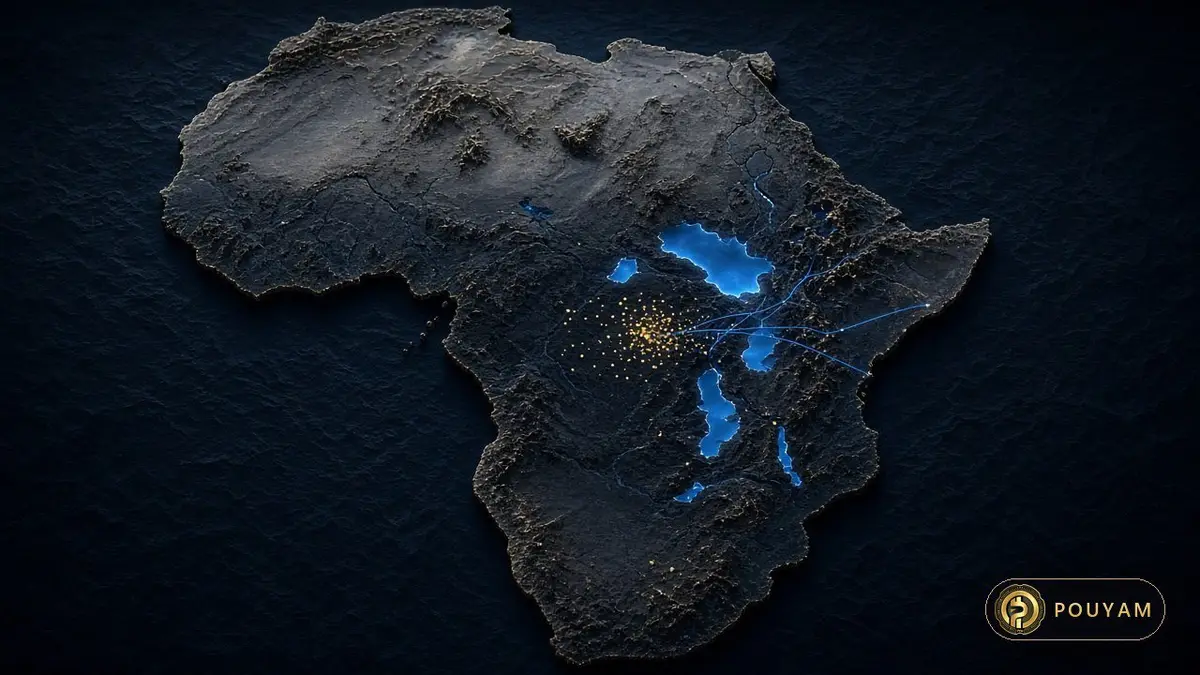
Since the outbreak was declared on 15 May 2026, cases have been reported in DR Congo, France, Kenya, Nigeria and Uganda; the French and Ugandan outbreaks have been controlled since August [2]. In DR Congo, Ituri is the worst-hit province, followed by Nord-Kivu [2].
Kenya
Kenya reported nine cases, including two deaths, all linked to one case imported from DR Congo: four family members and four health and care workers [1][2]. All eight secondary cases were already in quarantine as known contacts when they fell ill, and there had been no new case since 19 October [2]. On 11 November Kenya discharged its last patient and began the 42-day countdown to being declared free of Ebola [1].
Nigeria
Nigeria reported one imported, laboratory-confirmed case in Abuja on 20 October 2026 [2]. The patient, a Swiss citizen, was evacuated to Switzerland with their spouse and remained in isolation and receiving medical care in Geneva as of 6 November [1][2]. As of 3 November, 62 contacts had been identified in Nigeria [2].
Medical evacuations
On 5 November the United Kingdom reported the medical evacuation of a confirmed case, a health and care worker, who is being treated in London [2]. WHO said no new country had reported cases since its 23 October report [2].
WHO's risk assessment, last revised on 14 August, rates the risk as very high in DR Congo, high in countries sharing a land border with it, and low for the rest of Africa and globally; that assessment is being revised again [2].
Is there an Ebola vaccine for Bundibugyo?
No vaccine is approved for Bundibugyo virus. The Tumaini trial in DR Congo has begun with Ervebo, and two candidates designed specifically for Bundibugyo are to join it after national approvals [2][4]. WHO announced on 4 November that its expert advisers had recommended adding ChAdOx1, developed by the University of Oxford with the Serum Institute of India, and Moderna's mRNA-1469 [4].
- Tumaini trial: a Phase 2/3 trial launched on 23 October in Bunia, led by DR Congo's national biomedical research institute (INRB) with the University of Antwerp, WHO, MSF, Epicentre and others [2][4].
- Design: ring vaccination, which enrols the contacts of people with confirmed disease; four rings were in place as of 4 November [4].
- Ervebo: licensed against Ebola virus (Zaire); the trial is now testing whether it protects against Bundibugyo [4]. WHO's Director-General said the Ervebo trial began in October [1].
- Timing: results from the vaccine trial are expected in early 2027 [4].
What about treatment?
The WHO-sponsored PARTNERS trial, launched in July, is testing whether the monoclonal antibody MBP134, the antiviral remdesivir, or both together improve survival; maftivimab is to be added, and a separate study is testing obeldesivir to prevent infection after exposure [4]. Initial treatment results are expected "in the coming months" [4]. These are trial products, not approved treatments.
WHO stresses that vaccines are "not a substitute" for early care, contact tracing, isolation, safe burials and infection control [1].

Is it safe to travel during the Ebola outbreak?
WHO advises against any travel or trade restrictions on affected countries, while the US CDC advises against all travel to Ituri and Nord-Kivu provinces in DR Congo except for humanitarian or emergency work [2][6]. The two positions answer different questions: WHO addresses what governments should do at borders; CDC gives advice to individual travellers.
CDC's travel notices, as listed on 13 November 2026 [6]:
- Level 4, avoid all travel: Ituri and Nord-Kivu provinces, unless travelling for humanitarian aid or emergency response.
- Level 3, reconsider non-essential travel: Haut-Uélé and Tshopo provinces.
- Level 2, enhanced precautions: Uganda and the provinces of DR Congo not affected by the outbreak.
- Level 1, usual precautions: Nairobi, Kenya, after the Kenyan health ministry confirmed an imported case and linked cases.
WHO's Director-General repeated on 11 November his call for countries with blanket travel restrictions to lift them, saying they hinder the response, damage livelihoods and discourage countries from reporting outbreaks quickly [1]. Kenya had screened 760,415 travellers at its entry points as of 5 November [2].
WHO's global risk rating, last assessed in August and now under revision, is low [2]. Check your own government's travel advice before any trip to the region, and be wary of any message selling "Ebola protection" kits or fake travel certificates; Pouyam's guide What Is Phishing? How to Recognise Fake Emails, Texts and QR Codes explains how such scams work.
Why is the Ebola outbreak hard to stop?
WHO says insecurity is now one of the greatest obstacles to the response: more than 1,000 contacts have been lost to follow-up and three confirmed cases are unaccounted for [1]. In an attack on the town of Cantine-Aloya in the week before WHO's 11 November briefing, 66 civilians were killed, including three health workers, and three health facilities were looted and burned [1].
- Attacks on the response: a nurse was killed and another health worker badly injured responding to an Ebola alert in Tshopo about two weeks before the briefing; WHO also listed a grenade found near a health zone office, gunfire near a treatment centre, an arson attempt on a treatment centre and stones thrown at a vehicle used for safe burials [1].
- Contact tracing: on average 86% of contacts were seen daily over the previous 14-day period, below the 95% threshold [2].
- Late detection: many deaths happen in communities rather than treatment centres, especially among young children [2].
- Other pressures: displacement, difficult terrain, rain and late payment of frontline workers [1].
DR Congo's government has updated its national response plan through January 2027 [1]. WHO's Director-General asked member states for safe humanitarian access, faster scale-up, on-time pay for frontline workers and continued essential health services [1].
What is confirmed and what is not?
Case and death counts, affected countries, risk ratings and trial plans are confirmed by WHO; how fast the outbreak will end and whether the vaccines work are not yet known [1][2][4]. As of WHO's latest statements (11 November 2026):
- Confirmed: almost 11,000 cases and over 5,300 deaths in DR Congo; nine cases in Kenya and one in Nigeria; the emergency of international concern remains in force [1][2].
- Under way: the Tumaini vaccine trial and the PARTNERS treatment trial [4].
- Pending: WHO's revised risk assessment, Kenya's 42-day countdown, and trial results [1][2][4].
WHO publishes Disease Outbreak News roughly every two weeks and a weekly situation report through its Africa regional office [2]; those are the places to check for newer figures.
| Area | Confirmed cases | Deaths | Source |
|---|---|---|---|
| DR Congo, total (11 Nov update) | Almost 11,000 | More than 5,300 | WHO DG [1] |
| DR Congo, total (3 Nov) | 10,668 | 5,198 | WHO DON [2] |
| Ituri province | 7,485 | 3,532 | WHO DON [2] |
| Nord-Kivu province | 2,593 | 1,422 | WHO DON [2] |
| Haut-Uélé province | 470 | 208 | WHO DON [2] |
| Tshopo province | 94 | 29 | WHO DON [2] |
| Kenya | 9 | 2 | WHO [1][2] |
| Nigeria | 1 (imported) | Not reported | WHO [2] |
Common mistakes
Assuming the Ervebo vaccine already protects against this outbreak
Fix: Ervebo is licensed for Ebola virus (Zaire); its effect on Bundibugyo is only now being tested [3][4].
Thinking people spread Ebola before they feel ill
Fix: WHO says people cannot transmit the disease before symptoms start [3].
Reading CDC's Level 4 notice as a ban on all of DR Congo
Fix: Level 4 covers Ituri and Nord-Kivu; other provinces have lower levels [6].
Quoting an old case count
Fix: Figures change daily; always give the date and the WHO source [1][2].
Believing online offers of Ebola cures
Fix: WHO says no specific treatment for Bundibugyo disease is approved yet [2][5].
Frequently asked questions
How many Ebola cases are there in 2026?
Almost 11,000 confirmed cases and more than 5,300 deaths in DR Congo, WHO said on 11 November 2026 [1].
What is Bundibugyo virus?
One of three viruses that cause large Ebola outbreaks; no vaccine or specific treatment is approved for it [3][5].
What are the symptoms of Ebola?
Fever, fatigue, muscle pain, headache and sore throat at first, which can progress to gut symptoms, organ failure and bleeding [2][3].
Where has Ebola spread in 2026?
DR Congo, France, Kenya, Nigeria and Uganda; France and Uganda were controlled in August [2].
Is there an Ebola vaccine for Bundibugyo?
None is approved. The Tumaini trial has begun with Ervebo, and WHO has recommended adding ChAdOx1 and mRNA-1469 once national approvals are in place; vaccine results are expected in early 2027 [2][4].
Glossary
- Bundibugyo virus disease (BVD)
- Ebola disease caused by Bundibugyo virus; earlier outbreaks occurred in Uganda in 2007 and DR Congo in 2012.
- Case fatality ratio (CFR)
- The share of confirmed cases who die; the crude figure does not adjust for cases still ill.
- PHEIC
- Public health emergency of international concern, WHO's highest alert under the International Health Regulations.
- Ring vaccination
- Vaccinating the contacts of a confirmed case, and their contacts, to stop spread around that case.
- Health zone
- An administrative health district in DR Congo, used to track where cases occur.
- 42-day countdown
- The period WHO counts after the last patient is discharged before a country can be declared free of Ebola; Kenya began this countdown on 11 November.
Sources
- WHO Director-General's opening remarks at the Member State briefing on Ebola outbreak in the Democratic Republic of the Congo – 11 November 2026 World Health Organization · 2026-11-11
- Ebola disease caused by Bundibugyo virus – Democratic Republic of the Congo, Kenya and Nigeria (Disease Outbreak News) World Health Organization · 2026-11-06
- Ebola disease – fact sheet World Health Organization · 2025-04-24
- Two new candidate vaccines to join Ebola trial as treatment research advances World Health Organization · 2026-11-04
- Ebola outbreak – Democratic Republic of the Congo 2026 World Health Organization
- Travel Health Notices (Ebola Bundibugyo virus disease notices: DR Congo, Uganda, Kenya) US Centers for Disease Control and Prevention

Comments
Top comments