
Ozempic Vision Loss: FDA Adds NAION Warning to All GLP-1s
- 0 views
- 0 likes
- 0 comments
- All languages combined
In short
As of 13 November 2026, the FDA requires all GLP-1 drugs, including Ozempic, Wegovy, Mounjaro and Zepbound, to warn of a potential increased risk of NAION, a rare optic-nerve condition that can cause sudden vision loss, following its 9 November 2026 safety communication [1]. In trials the rate was 6.4 versus 3.8 cases per 100,000 person-years [1].
Key takeaways
- On 9 November 2026 the FDA told makers of every GLP-1 drug to add NAION to the Warnings and Precautions section of their labels [1].
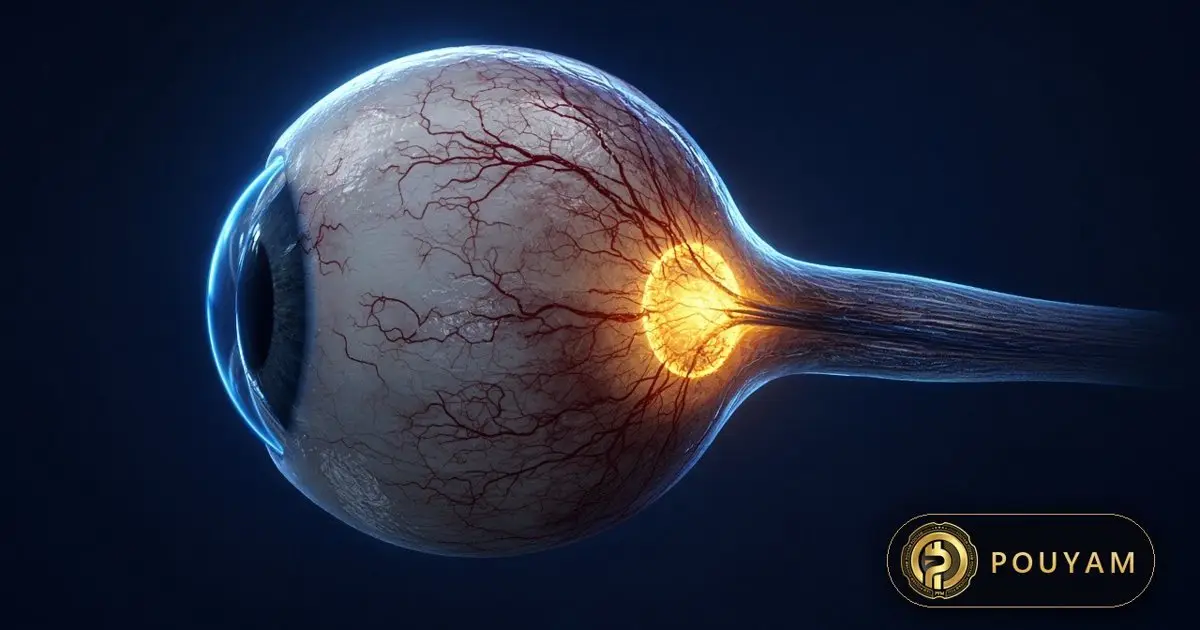
- NAION is a rare condition in which reduced blood flow damages the front of the optic nerve, causing sudden, painless vision loss in one eye that can be permanent [1][5].
- An FDA analysis of 126 clinical trials found 6.4 NAION cases per 100,000 person-years on GLP-1 drugs versus 3.8 on comparators; the numbers are small, with 10 and 5 cases [1].
- The European Medicines Agency's safety committee (PRAC) concluded in June 2025 that NAION is a 'very rare' side effect of semaglutide, affecting up to 1 in 10,000 people [2].
- The FDA tells patients to contact a health professional right away if they notice sudden vision changes, and to discuss with them whether to continue the drug after a NAION event [1].
- The FDA says it could not identify a mechanism by which GLP-1 drugs could raise NAION risk, and NAION risk factors overlap with conditions common in GLP-1 users [1].
On this page 11 sections
- Does Ozempic cause vision loss?
- What is NAION?
- How rare is NAION on GLP-1 drugs?
- Which GLP-1 drugs does the FDA warning cover?
- What should GLP-1 users do about eye symptoms?
- What did the 2024 semaglutide study find?
- What is confirmed and what is not?
- Common mistakes
- Frequently asked questions
- Glossary
- Sources
Does Ozempic cause vision loss?
The FDA says GLP-1 drugs such as Ozempic carry a "potential increased risk" of NAION, a rare eye condition that can cause sudden vision loss, and it says its review of animal data did not identify a mechanism by which the drugs could cause it [1]. In its Drug Safety Communication of 9 November 2026, the agency concluded "there is a potential increased risk of rare NAION events in patients taking GLP-1 RAs" and required a label change for the whole class [1].
The wording matters: the FDA calls it a "potential" increased risk, and says its review of animal data "did not identify a mechanism" by which GLP-1 drugs could increase the risk [1].
What the FDA is requiring [1]:
- Who: application holders for all GLP-1 receptor agonist medicines approved in the US.
- What: new information on the potential increased risk of NAION in the Warnings and Precautions section of the labeling.
- Why now: a review of clinical trial data, an FDA real-world study, published observational studies and adverse-event reports, prompted by a 2024 study in JAMA Ophthalmology.
NAION cases have been reported for all currently marketed GLP-1 products, the FDA says [1]. That is why the warning applies to the class, not only to semaglutide.
What is NAION?
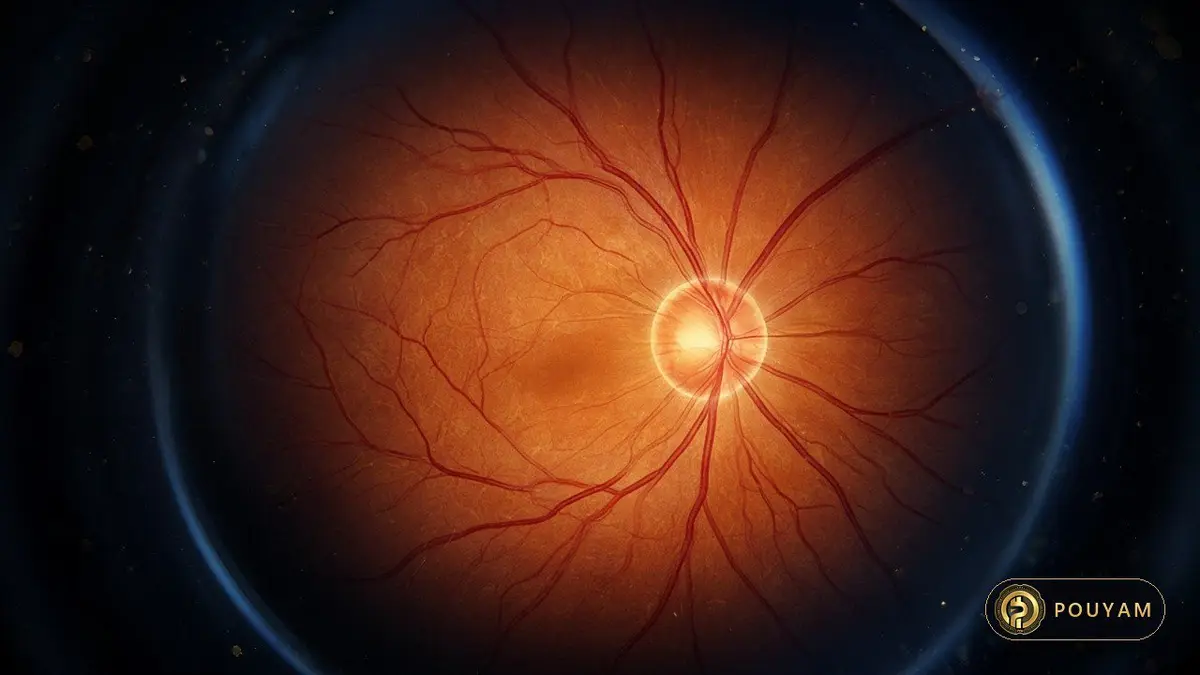
NAION, or non-arteritic anterior ischemic optic neuropathy, is damage to the front of the optic nerve caused by reduced blood flow, which leads to sudden, painless loss of vision in one eye that can be permanent [1][5]. The optic nerve carries signals from the eye to the brain; when its blood supply drops, the nerve does not get enough oxygen [5].
Symptoms listed by the FDA [1]:
- Sudden, painless vision loss in one eye, which may be noticed on waking.
- Blurred or missing parts of vision, such as blind spots or tunnel vision.
- Colours that look distorted.
- Reduced central sharpness, such as blurry or hazy spots.
The FDA says the underlying cause "is not completely understood". Risk factors may include smoking, diabetes, high blood pressure, sleep apnoea, anaemia and kidney disease, and a person who has had NAION in one eye is at higher risk in the other [1]. The American Academy of Ophthalmology adds that people aged 50 and over are more likely to develop ischaemic optic neuropathy and that there is no treatment that restores the lost vision [5].
Many of these risk factors, such as diabetes, obesity-related sleep apnoea and high blood pressure, are common in the people GLP-1 drugs are prescribed for. The FDA says this overlap made adverse-event reports "challenging to interpret" [1].
How rare is NAION on GLP-1 drugs?
NAION is rare: in the FDA's analysis of 126 clinical trials, there were 6.4 cases per 100,000 person-years on GLP-1 drugs compared with 3.8 per 100,000 person-years on placebo or other diabetes drugs [1]. In absolute terms that is a difference of about 2.6 cases per 100,000 person-years, a simple subtraction of the FDA's two rates.
The trial data behind those rates [1]:
- Size: 134,253 patients, 78,217 on GLP-1 drugs and 56,036 on comparators, with 288,879 person-years of exposure.
- Events: 15 probable NAION cases in total: 10 on GLP-1 drugs, 5 on placebo and none on other glucose-lowering drugs.
- Background rate: published literature puts NAION in the general population at 2.3 to 10.2 cases per 100,000 people per year in adults over 50.
The FDA also ran a real-world study in its Sentinel system of adults with type 2 diabetes who started a GLP-1 drug, an SGLT-2 inhibitor or a DPP-4 inhibitor between 2019 and 2024 [1]. NAION rates were 30 to 32 per 100,000 person-years on GLP-1 drugs, 31 on SGLT-2 inhibitors and 26 on DPP-4 inhibitors [1]. Compared with SGLT-2 inhibitors, the increase was not statistically significant (hazard ratio 1.19); compared with DPP-4 inhibitors it was (hazard ratio 1.43) [1].
The European Medicines Agency's safety committee (PRAC) concluded in June 2025 that NAION is a "very rare" side effect of semaglutide medicines, meaning up to 1 in 10,000 people [2]. The table below sets out the main figures.
Which GLP-1 drugs does the FDA warning cover?
The warning covers all GLP-1 receptor agonists approved in the US, from Ozempic, Wegovy and Rybelsus (semaglutide) to Mounjaro and Zepbound (tirzepatide) and the 2026-approved Foundayo (orforglipron) [1]. The FDA's table lists the medicines in the class [1]:
- Semaglutide: Ozempic (2017), Rybelsus (2019), Wegovy (2021).
- Tirzepatide: Mounjaro (2022), Zepbound (2023); the FDA notes tirzepatide acts on both GIP and GLP-1 receptors.
- Liraglutide: Victoza (2010), Saxenda (2014), and Xultophy (2016) with insulin degludec.
- Others: dulaglutide (Trulicity, 2014), lixisenatide with insulin glargine (Soliqua, 2016), generic exenatide, and orforglipron (Foundayo, 2026).
These drugs are used for type 2 diabetes and for weight loss, and some also have approvals to cut heart and kidney risks, treat sleep apnoea in obesity, or treat a form of fatty liver disease with scarring [1].
What did Europe decide?
In Europe the change came earlier and only for semaglutide. EMA's safety committee, PRAC, concluded on 6 June 2025 that NAION is a very rare side effect of Ozempic, Rybelsus and Wegovy, recommended adding it to the product information, and said that if NAION is confirmed, semaglutide treatment should be stopped [2]. That review covered semaglutide medicines [2].
What should GLP-1 users do about eye symptoms?
The FDA tells patients to contact their health care professional right away if they notice sudden vision loss or other changes in one eye, and to discuss with them whether to continue the drug if NAION occurs [1]. It does not tell patients to stop their medicine on their own [1].
- Know the warning signs. Sudden, painless vision loss in one eye, blind spots, tunnel vision, distorted colours or hazy central vision [1].
- Act quickly. The FDA says patients should contact a health professional "right away" if they have any of these symptoms [1].
- After a NAION event, talk with your health professional about whether to continue or stop the GLP-1 medicine [1].
- Report side effects. In the US, the FDA takes reports online, or you can call 1-800-332-1088 to request a reporting form [1]; in other countries, use your national medicines regulator.
The FDA's advice to clinicians is to refer patients with suspected NAION promptly to an ophthalmologist and to "consider discontinuing the GLP-1 RA in patients who develop NAION, unless the benefits of treatment clearly outweigh the risk" [1].
Ophthalmologist Manjot Gill of Northwestern Medicine told NBC News that the condition is extremely rare and that doctors do not want patients "to stop these medications" out of anxiety [4]. Questions about personal medication are best taken to a clinician rather than an AI chatbot; why, and what chatbots do with health data, is covered in Is ChatGPT Safe for Your Privacy? What AI Chatbots Do With the Data You Share.
This is not medical advice. Decisions about your own treatment belong with a qualified clinician who knows your history.
What did the 2024 semaglutide study find?
A 2024 study in JAMA Ophthalmology found that patients prescribed semaglutide at one US academic eye centre had a higher risk of NAION than similar patients on other drugs, and it was this study that led the FDA to investigate [1][3]. The FDA says it identified "several limitations" in the study but decided further assessment was warranted [1].
What the study did and found, from its published abstract [3]:
- Design: a retrospective, propensity-matched cohort study of patients seen by neuro-ophthalmologists at a single institution between December 2017 and November 2023.
- Type 2 diabetes group: 17 NAION events among 194 patients prescribed semaglutide versus 6 among 516 on other diabetes drugs; hazard ratio 4.28.
- Overweight or obesity group: 20 events among 361 patients on semaglutide versus 3 among 618 on other weight-loss drugs; hazard ratio 7.64.
Two cautions. First, all the study's patients were seen by neuro-ophthalmologists at one institution [3], so they may not represent GLP-1 users in general; its rates are far higher than those in the FDA's trial analysis [1][3]. Second, an observational study shows an association, not cause and effect. The FDA's own trial analysis and Sentinel study found smaller differences (6.4 versus 3.8 per 100,000 person-years; hazard ratios of 1.19 and 1.43), although the agency also says methodologically rigorous observational studies in type 2 diabetes consistently reported an increased NAION risk with GLP-1 drugs compared with DPP-4 or SGLT-2 inhibitors [1].
What is confirmed and what is not?
The label change, the trial figures and Europe's earlier semaglutide warning are confirmed; the FDA describes the risk as "potential" and could not identify a mechanism [1][2]. As of 13 November 2026:
- Confirmed: FDA requires a class-wide NAION warning; 6.4 versus 3.8 cases per 100,000 person-years in trials; NAION reported for all marketed GLP-1 products; EMA's safety committee concluded NAION is very rare for semaglutide medicines [1][2].
- Uncertain: the biological mechanism, which the FDA could not identify, and how much of the link reflects shared risk factors such as diabetes [1].
- Next step: application holders must add the NAION information to each product's label [1].
How AI tools in medicine are regulated is covered in AI in Healthcare: What It Can Do Today, Where It Fails and How It Is Regulated.
| Data source | GLP-1 group | Comparator | Source |
|---|---|---|---|
| 126 clinical trials (rate per 100,000 person-years) | 6.4 (10 cases) | 3.8 (5 cases) | FDA [1] |
| FDA Sentinel study, type 2 diabetes (per 100,000 PY) | 30–32 | SGLT-2: 31; DPP-4: 26 | FDA [1] |
| Hazard ratio vs SGLT-2 inhibitors | 1.19 (not significant) | — | FDA [1] |
| Hazard ratio vs DPP-4 inhibitors | 1.43 (significant) | — | FDA [1] |
| General population over 50 (per 100,000 per year) | — | 2.3–10.2 | FDA [1] |
| EMA frequency for semaglutide | Very rare: up to 1 in 10,000 | — | EMA [2] |
Common mistakes
Reading the warning as proof that GLP-1 drugs cause blindness
Fix: The FDA describes a potential increased risk and could not identify a mechanism [1].
Stopping a prescribed GLP-1 drug without advice
Fix: The FDA tells patients to talk with their health professional; it does not advise stopping on your own [1].
Ignoring sudden painless vision loss in one eye
Fix: The FDA says to contact a health professional right away [1].
Quoting the 2024 study's hazard ratios as the real-world risk
Fix: That study came from one specialist clinic; FDA's trial analysis found 6.4 vs 3.8 per 100,000 person-years [1][3].
Assuming Europe's warning covers every GLP-1 drug
Fix: EMA's June 2025 conclusion was for semaglutide medicines [2].
Frequently asked questions
Does Ozempic cause vision loss?
The FDA says GLP-1 drugs carry a potential increased risk of rare NAION, which can cause vision loss; it did not identify a mechanism [1].
What is NAION?
Damage to the front of the optic nerve from reduced blood flow, causing sudden painless vision loss in one eye [1][5].
How rare is NAION on GLP-1 drugs?
6.4 versus 3.8 cases per 100,000 person-years in FDA's trial analysis; EMA calls it very rare for semaglutide [1][2].
Which GLP-1 drugs does the FDA warning cover?
All US-approved GLP-1 drugs, including Ozempic, Wegovy, Rybelsus, Mounjaro, Zepbound, Trulicity, Victoza and Foundayo [1].
What should GLP-1 users do about eye symptoms?
Contact a health professional right away and discuss with them whether to continue the drug [1].
Glossary
- NAION
- Non-arteritic anterior ischaemic optic neuropathy: optic-nerve damage from reduced blood flow, causing sudden vision loss.
- GLP-1 receptor agonist
- A medicine that mimics the gut hormone GLP-1, lowering blood sugar and reducing appetite.
- Person-years
- The total time all study participants were followed; 100,000 person-years could be 50,000 people for two years.
- Hazard ratio
- How much more often an event happens in one group than another over time; 1.0 means no difference.
- Warnings and Precautions
- The section of a US drug label describing serious risks that prescribers should know.
- PRAC
- The European Medicines Agency's Pharmacovigilance Risk Assessment Committee, which reviews drug safety.
Sources
- FDA Requires Safety Labeling Changes for Glucagon-Like Peptide-1 Receptor Agonists (GLP-1 RAs) Due to Potential Increased Risk of Rare But Serious Eye Condition US Food and Drug Administration · 2026-11-09
- Meeting highlights from the Pharmacovigilance Risk Assessment Committee (PRAC) 2-5 June 2025 European Medicines Agency · 2025-06-06
- Risk of Nonarteritic Anterior Ischemic Optic Neuropathy in Patients Prescribed Semaglutide (Hathaway et al.) JAMA Ophthalmology · 2024-07-03
- FDA orders new warning on GLP-1s over rare eye condition linked to sudden blindness NBC News · 2026-11-09
- What Is Ischemic Optic Neuropathy? American Academy of Ophthalmology · 2026-08-13
Comments
Top comments