
Antibiotics for Colds? Why They Don't Work on Viruses
- 0 views
- 0 likes
- 0 comments
- All languages combined
 +99
Sign in and earn +99 points by reading this
Read to the end, wait a few seconds, then tap the claim button below.
In short
Antibiotics do not work on viruses. They kill bacteria or stop them multiplying, and colds, flu, most sore throats and most chest colds are caused by viruses [1][9]. Taking antibiotics for a cold will not ease symptoms or speed recovery, and their side effects can still cause harm [1][4]. Most colds clear up on their own [2][4].
Key takeaways
- Antibiotics treat certain bacterial infections, such as strep throat, whooping cough and urinary tract infections; they do not work on viruses [1].
- Colds, flu, most sore throats and most chest colds (bronchitis) are viral, so antibiotics will not make you feel better [1][5].
- Bacteria are living single cells with structures such as a cell wall that antibiotics can target; viruses have no metabolism of their own and multiply inside your cells [7][8][10].
- More than 200 viruses can cause colds, and thick yellow or green mucus does not by itself mean a bacterial infection [1][2][6].
- Even many bacterial infections, such as many sinus infections and some ear infections, get better without antibiotics [1][3].
- Unneeded antibiotics can cause rash, nausea, diarrhoea and, rarely, severe allergic reactions or C. diff infection, and they help resistant germs spread [1][5].
- For a cold, rest, fluids and advice from a pharmacist help; see a doctor if symptoms get worse or last beyond about 10 days [4].
On this page 12 sections
- Do antibiotics work on viruses?
- What is the difference between bacteria and viruses?
- Why don't antibiotics work on colds and flu?
- Which infections need antibiotics and which do not?
- How can you tell whether an infection is viral or bacterial?
- What are the risks of taking antibiotics when not needed?
- What actually helps a cold?
- How can you avoid needing antibiotics?
- Common mistakes
- Frequently asked questions
- Glossary
- Sources
Do antibiotics work on viruses?
No. Antibiotics only work against bacteria; they do not treat infections caused by viruses, such as colds and flu [1][3][9].
Antibiotics are medicines that fight bacterial infections in people and animals, either by killing bacteria or by making it hard for them to grow and multiply [9]. The US Centers for Disease Control and Prevention (CDC) puts it bluntly: “Antibiotics DO NOT work on viruses” [1]. The NHS says the same, listing colds, flu and most coughs among the viral infections antibiotics cannot treat [3].
That matters because most everyday respiratory illnesses are viral. The CDC names colds and runny noses, most sore throats (strep throat is the exception), flu and most cases of chest colds, or bronchitis, as illnesses that antibiotics do not help [1]. Mayo Clinic adds most coughs, stomach flu and COVID-19 to the list [5].
If you take an antibiotic for a viral infection, it will not cure the infection, will not stop other people catching it and will not help you feel better, but it can still cause side effects [1][5]. The NHS notes that GPs do not recommend antibiotics for colds because they will not relieve symptoms or speed up recovery [4].
Some viral infections do have their own medicines, called antivirals. The CDC says antiviral treatments exist for flu and COVID-19 and work best when started very soon after symptoms begin [2]. These are different drugs that act on viruses, not antibiotics, and a doctor decides whether they are right for you.
What is the difference between bacteria and viruses?
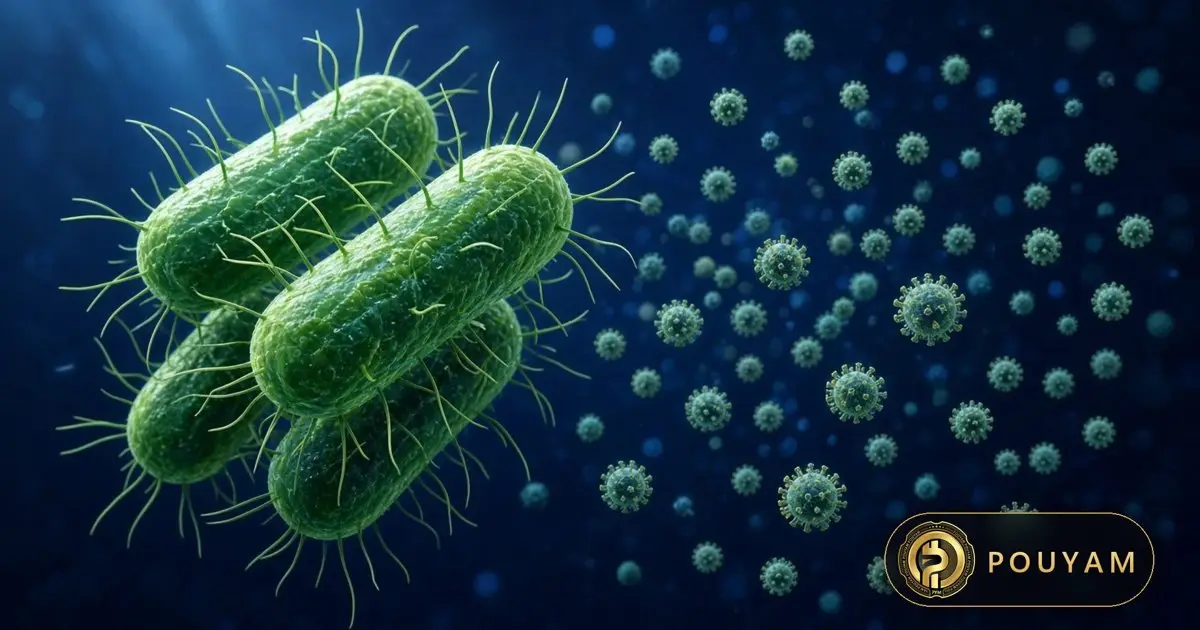
Bacteria are living single-celled organisms that can grow on their own; viruses are much smaller packages of genetic material that can only multiply inside living cells [7][8].
The US National Library of Medicine describes bacteria as tiny organisms with only one cell, shaped like balls, rods or spirals, found almost everywhere on Earth [8]. Most types do not make you sick, and many are helpful: “good” bacteria in the gut help digest food and protect against illness [8]. Some types, such as Streptococcus, Staphylococcus and certain E. coli, can cause infections by multiplying quickly and releasing toxins or damaging tissue [8].
Viruses are very different. They are made of genetic material, either DNA or RNA, inside a protein coat [7]. They cannot grow or reproduce on their own. Instead, the National Library of Medicine compares them to hijackers: they invade normal cells and use them to make copies of themselves, which can kill, damage or change those cells [7].
This difference explains why antibiotics work on one and not the other. A nursing pharmacology text on antimicrobials explains the idea of “selective toxicity”: a good drug damages the germ without damaging the person [10]. Bacteria offer many such targets. Their cell wall, made of a substance called peptidoglycan, does not exist in human cells, and bacterial ribosomes, the cell’s protein factories, are a different size from ours, so drugs can block them [10].
Viruses have no metabolism of their own and use the machinery of the host cell to replicate, so there are few targets that would harm the virus without harming your own cells [10]. An antibiotic aimed at a bacterial cell wall has nothing to hit in a virus. That is why viral infections are mostly prevented with vaccines or managed while the immune system clears them, with antivirals for some specific viruses [7][10].

Why don't antibiotics work on colds and flu?
Because colds and flu are caused by viruses, and antibiotics have nothing in a virus to attack [1][2][10].
A cold is a viral infection of the upper respiratory tract [2]. More than 200 respiratory viruses can cause colds; rhinoviruses are the most frequent, and others include common human coronaviruses, parainfluenza viruses, adenoviruses and enteroviruses [2]. Adults in the US have an average of two to three colds a year, and children often have more [2].
Cold symptoms usually peak within 2 to 3 days and can include a runny or blocked nose, cough, sneezing, sore throat, headache, mild body aches and sometimes a fever [2]. The CDC says colds usually last less than a week, Mayo Clinic says most people recover in 7 to 10 days, and the NHS says you should begin to feel better in about 1 to 2 weeks [2][4][6].
Flu, COVID-19 and RSV can cause cold-like symptoms too, but they are separate viruses that are more likely to cause severe illness, especially in infants, older adults and people with weakened immune systems [2]. Antibiotics do not treat flu either [1]. For what makes a flu season start early and which strains circulate, see our guide Flu Season 2026: Why It Started Early and Which Strain.
Thick, yellow or green mucus is a common reason people ask for antibiotics. Mayo Clinic explains that mucus often starts clear and becomes thicker and yellow or green during a normal cold, and that this change usually does not mean a bacterial illness [6]. The CDC says antibiotics do not treat colds and runny noses “even if the mucus is thick, yellow or green” [1].

Which infections need antibiotics and which do not?
Antibiotics are used for certain bacterial infections, such as strep throat, whooping cough and urinary tract infections; colds, flu and most sore throats and coughs do not need them [1][3].
The CDC divides common illnesses into three groups [1]:
- Bacterial infections that antibiotics treat: strep throat, whooping cough and urinary tract infections (UTIs).
- Bacterial infections that often get better without antibiotics: many sinus infections and some ear infections.
- Viral infections that antibiotics never treat: colds and runny noses, most sore throats, flu and most chest colds (bronchitis).
The NHS takes a similar line. It says many mild bacterial infections get better on their own, and that antibiotics are no longer routinely used to treat chest infections, ear infections in children or sore throats [3]. Antibiotics may be used for bacterial infections that are unlikely to clear up without them, could take too long to clear, carry a risk of more serious complications or could infect others [3].
Colds can sometimes lead to complications. The CDC lists middle ear infections and sinus infections as mild to moderate complications, and pneumonia, bronchitis and asthma attacks as potentially severe ones [2]. Mayo Clinic notes that ear and sinus infections after a cold may be caused either by a virus or by bacteria [6]. That is one reason a doctor may want to examine you if you are getting worse rather than better.
The table below summarises which common conditions usually need antibiotics. It is a general guide; only a health professional who examines you can decide on treatment [1].
How can you tell whether an infection is viral or bacterial?
You usually cannot tell at home; a doctor uses your symptoms, an examination and sometimes a test, and the colour of mucus is not a reliable sign [1][6].
Viral and bacterial infections can cause the same symptoms, such as fever, sore throat or cough, and both spread through droplets and contaminated surfaces [7][8]. Some practical pointers come from the main health agencies:
- Think about the pattern. A typical cold builds over 2 to 3 days, with a runny nose, sneezing and sore throat, then slowly improves [2][4].
- Do not judge by mucus colour. Yellow or green mucus is common in viral colds [1][6].
- Expect a test for some infections. Doctors can confirm certain bacterial infections, such as strep throat or a urinary tract infection, with tests; the National Library of Medicine lists bacteria culture tests among the ways to diagnose bacterial infections [8][9].
- Get tested for flu or COVID-19 if you are at higher risk, because antivirals for them work best when started early [2].
The NHS advises seeing a GP if you have a high temperature for more than 3 days, your cold symptoms get worse, you feel short of breath or have chest pain, your symptoms do not get better after 10 days or you have a cough for more than 3 weeks [4]. It also advises seeing a GP if you have a long-term condition, such as diabetes or a heart, lung or kidney condition, or a weakened immune system [4].
Mayo Clinic advises urgent care for a child with trouble breathing or wheezing, ear pain, unusual drowsiness or no interest in eating, and for a fever in a baby up to 12 weeks old [6]. When you do see a clinician, describe how long you have been ill and whether you are improving, and ask what will help your symptoms rather than asking for antibiotics [1][5].
What are the risks of taking antibiotics when not needed?
Side effects ranging from rash and diarrhoea to rare severe allergic reactions, damage to helpful gut bacteria, and a greater chance that resistant germs spread [1][5].
The CDC lists common antibiotic side effects as rash, dizziness, nausea, diarrhoea and yeast infections [1]. More serious ones include C. diff infection, which causes diarrhoea that can lead to severe colon damage and death, and severe, life-threatening allergic reactions [1]. In children, side effects from antibiotics are the most common cause of medication-related emergency department visits [1].
When antibiotics are needed, the benefits usually outweigh these risks [1]. When they are not needed, you get only the risks. Mayo Clinic explains that an antibiotic taken for a viral infection attacks the helpful or harmless bacteria in your body instead, which can encourage resistance in harmless bacteria or let harmful bacteria replace them [5].
That links to a wider problem. Bacteria that survive an antibiotic can multiply and pass on resistance, and the overuse and misuse of antibiotics speeds this up [5]. WHO estimates that bacterial antimicrobial resistance was associated with more than 4.7 million deaths worldwide in 2021 [11]. This guide focuses on colds and viruses; for how resistance develops and what is being done about it, see our guide World AMR Awareness Week 2026: Why Antibiotics Stop Working.
The practical point is simple: an antibiotic you do not need cannot help you, can make you feel worse and can make the next antibiotic you do need work less well [1][3].
What actually helps a cold?
Rest, plenty of fluids and time; a pharmacist can suggest medicines to ease symptoms while your immune system clears the virus [4][7].
For most viral infections, treatment can only ease symptoms while the immune system fights off the virus [7]. The NHS says you can usually treat a cold at home without seeing a GP and suggests [4]:
- getting plenty of rest;
- drinking lots of fluid, such as water, to avoid dehydration;
- eating healthy food;
- gargling salt water to soothe a sore throat (not suitable for children);
- a hot lemon and honey drink for a sore throat (no hot drinks for small children and no honey for babies under 12 months);
- breathing in steam from a hot shower to ease a blocked nose, but never letting children breathe steam from a bowl of hot water because of the risk of scalding.
A pharmacist can advise on cough and cold medicines, such as painkillers to ease aches or decongestants for a blocked nose, and on which are not suitable for babies, children or pregnant women [4]. The NHS warns not to give aspirin to children under 16 and not to combine cold remedies that contain the same painkillers [4]. It also says there is little evidence that vitamin C, echinacea or garlic prevent colds or speed recovery [4].
If you have a high temperature or do not feel well enough for normal activities, the NHS suggests staying at home and avoiding contact with other people until you feel better [4]. You are infectious until your symptoms have gone, usually 1 to 2 weeks [4].
How can you avoid needing antibiotics?
Prevent infections with handwashing and vaccines, and when you are prescribed antibiotics, take them exactly as directed and never save or share them [1][5].
The CDC and Mayo Clinic recommend the same everyday habits [1][5][6]:
- wash your hands with soap and water for at least 20 seconds, or use a hand sanitiser with at least 60% alcohol;
- cover coughs and sneezes with a tissue, then bin it and wash your hands;
- stay home when you are sick and avoid close contact with people who have colds;
- avoid touching your eyes, nose and mouth with unwashed hands;
- get recommended vaccines, such as the flu vaccine; some vaccines also protect against bacterial infections like whooping cough.
There is no vaccine for the common cold, and the NHS notes that the flu vaccine does not prevent colds [4][6]. Flu vaccination still matters, because flu is more likely to cause severe illness [2].
If a doctor decides you need an antibiotic, the CDC advises taking it exactly as prescribed, not sharing it, not saving it for later and never taking antibiotics prescribed for someone else [1]. Leftover antibiotics may be the wrong medicine for a later illness and can delay the right treatment [1][5]. Ask a pharmacist how to dispose of unused medicines safely [1].
This guide explains what public health agencies say about antibiotics and viruses; it is not medical advice. If you are unsure whether you need treatment, ask a doctor, nurse or pharmacist.

| Feature | Bacteria | Viruses |
|---|---|---|
| What they are | Living single-celled organisms | Genetic material (DNA or RNA) in a protein coat |
| Can they multiply on their own? | Yes | No, only inside living cells |
| Examples of illness | Strep throat, whooping cough, urinary tract infections | Colds, flu, COVID-19 |
| Do antibiotics work? | Against many bacterial infections | No |
| Other treatments | Many mild infections clear without antibiotics | Symptom relief; antivirals for some viruses; vaccines prevent many |
| Illness | Usual cause | Antibiotics needed? |
|---|---|---|
| Common cold, runny nose | Virus | No |
| Flu | Virus | No (antivirals exist for flu) |
| Most sore throats | Virus | No |
| Strep throat | Bacteria | Yes, usually |
| Most chest colds (bronchitis) | Virus | No |
| Many sinus infections | Virus or bacteria | Often not |
| Some ear infections | Virus or bacteria | Often not |
| Urinary tract infection | Bacteria | Yes, usually |
| Whooping cough | Bacteria | Yes |
Common mistakes
Asking for antibiotics for a cold or flu.
Fix: Colds and flu are viral; antibiotics will not help and can cause side effects [1][4].
Thinking green or yellow mucus means you need antibiotics.
Fix: Mucus often changes colour in a normal viral cold [1][6].
Taking leftover antibiotics from a previous illness.
Fix: They may be the wrong drug and can delay the right treatment [1][5].
Taking someone else’s antibiotics.
Fix: Never share antibiotics or take ones prescribed for another person [1].
Assuming every bacterial infection needs antibiotics.
Fix: Many mild bacterial infections, including many sinus and some ear infections, clear on their own [1][3].
Expecting vitamin C or echinacea to cure a cold.
Fix: The NHS says there is little evidence they prevent colds or speed recovery [4].
Frequently asked questions
Do antibiotics work on viruses or bacteria?
Only on bacteria. Antibiotics kill bacteria or stop them multiplying and do not work on viruses [1][9].
Why don't antibiotics work on colds and flu?
Colds and flu are caused by viruses, which lack the bacterial structures antibiotics attack and multiply inside your own cells [2][10].
What are the risks of taking antibiotics when not needed?
Side effects such as rash, nausea and diarrhoea, rare serious reactions such as C. diff infection, and a higher chance that resistant bacteria spread [1][5].
How can you tell whether an infection is viral or bacterial?
Usually only a health professional can tell, using symptoms, an examination and sometimes a test; mucus colour is not a reliable sign [1][6][8].
How long does a cold last?
The CDC says usually less than a week; the NHS says you should feel better in about 1 to 2 weeks [2][4].
When should I see a doctor about a cold?
The NHS suggests seeing a GP if symptoms get worse, last more than 10 days, a high temperature lasts more than 3 days, or you have chest pain or breathlessness [4].
Glossary
- Antibiotic
- A medicine that kills bacteria or stops them multiplying [9].
- Bacteria
- Single-celled living organisms; most are harmless, some cause infections [8].
- Virus
- Genetic material in a protein coat that can only multiply inside living cells [7].
- Antiviral
- A medicine that acts against a specific virus, such as flu or COVID-19 [2].
- Selective toxicity
- Harming a germ without harming the person, the principle behind antibiotics [10].
- C. diff
- A bacterial infection, often linked to antibiotic use, that causes severe diarrhoea [1].
- Antibiotic resistance
- When bacteria change so that an antibiotic no longer works against them [5].
Sources
- Healthy Habits: Antibiotic Do's and Don'ts US Centers for Disease Control and Prevention · 2025-09-23
- About Common Cold US Centers for Disease Control and Prevention · 2026-02-19
- Antibiotics NHS · 2022-11-11
- Common cold NHS · 2024-03-22
- Antibiotics: Are you misusing them? Mayo Clinic · 2024-04-09
- Common cold: Symptoms and causes Mayo Clinic · 2023-05-24
- Viral Infections MedlinePlus, US National Library of Medicine (NIH) · 2023-11-08
- Bacterial Infections MedlinePlus, US National Library of Medicine (NIH) · 2024-09-27
- Antibiotics MedlinePlus, US National Library of Medicine (NIH) · 2023-04-17
- Antimicrobials (Purssell E.), in Understanding Pharmacology in Nursing Practice Springer, via PubMed Central
- Antimicrobial resistance (fact sheet) World Health Organization · 2026-07-16



Comments
Top comments