



🔶 Rift in the Gulf Cooperation Council over a strategy for the Hormuz Strait crisis
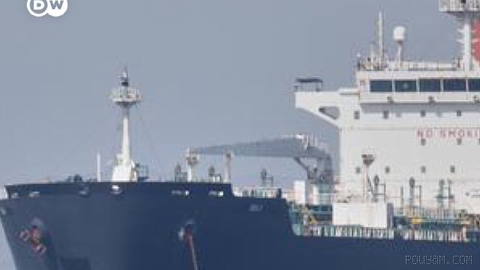
After 13 consecutive nights of bombardment and several days of retaliatory attacks by Iran, two nights passed without the United States attacking Iran, which has to some extent eased the concerns of Gulf countries. However, according to Politico, these countries’ efforts to find a common way to end the crisis and reopen the Strait of Hormuz are facing longstanding competitions and disagreements that have intensified since the start of the Iran war.
Saudi Arabia, the United Arab Emirates, Bahrain, Kuwait, Oman, and Qatar all have a shared goal: keeping the Strait of Hormuz open.
But the main disagreement is over how to achieve that goal. Some governments want greater pressure on Tehran, while others prioritize restoring shipping and reducing tensions.
These differences stem from variations in economic and strategic interests; including which countries can carry out part of their energy exports through alternative routes, which infrastructure is more exposed to Iran’s attacks, and which economies have suffered the most damage from the crisis.
The Gulf Cooperation Council was formed in 1981 in the middle of the Iran-Iraq war. Disagreements among its members also existed before the current war, but the Iran crisis has made them clearer.
David Schenker, a former U.S. State Department official for Middle East affairs in the first Trump administration, told Politico that the war has exacerbated existing divisions in the Gulf.
One of the most evident signs of tension was the UAE’s exit from OPEC in April; an action that, according to an Arab diplomat, angered other countries, especially Saudi Arabia.
The diplomat said: “The Gulf will no longer be like it was in the past. The Gulf Cooperation Council is ineffective.”

Comentários
Principais comentários