
Blood Pressure Target in Diabetes: Is Under 120 Better?
- 10 views
- 0 likes
- 0 comments
- All languages combined
 +30

Sign in and earn +30 points by reading this
Read to the end, wait a few seconds, then tap the claim button below.
In short
As of 13 November 2026, the OPTIMAL-DIABETES trial, published in the New England Journal of Medicine on 7 November, found that targeting systolic blood pressure below 120 mm Hg in people with type 2 diabetes did not significantly reduce major cardiovascular events compared with below 140 mm Hg [1][2]. Kidney-related events were more common with intensive treatment [2].
Key takeaways
- OPTIMAL-DIABETES randomly assigned 9,476 adults with type 2 diabetes and high cardiovascular risk at 33 sites in Brazil to a systolic target below 120 or below 140 mm Hg [1][2].
- Over a median 4 years, major cardiovascular events occurred in 6.0% with intensive treatment and 6.7% with standard treatment (hazard ratio 0.90; 95% CI 0.77 to 1.06), not statistically significant [1].
- Kidney-related events, mostly declines in kidney function, occurred in 5.7% versus 3.7%; end-stage kidney disease was similar [2].
- Serious adverse events were similar: 14.9% versus 14.6% [1].
- The trial was open-label and run in one country, the American Heart Association notes [2].
- The investigators say blood pressure management in type 2 diabetes should remain individualised [2].
On this page 11 sections
- What did the OPTIMAL-DIABETES trial find?
- What do blood pressure numbers mean?
- Who was in the blood pressure trial?
- Is a blood pressure under 120 better for people with diabetes?
- How does this compare with earlier trials?
- What are the limits of the OPTIMAL-DIABETES trial?
- What happens next for blood pressure targets in diabetes?
- Common mistakes
- Frequently asked questions
- Glossary
- Sources
What did the OPTIMAL-DIABETES trial find?
In this randomised, open-label trial, aiming for a systolic blood pressure below 120 mm Hg, rather than below 140 mm Hg, did not significantly reduce cardiovascular death, heart attack, stroke, or hospitalisation for unstable angina or heart failure in adults with type 2 diabetes [1].
- Primary outcome: 286 patients (6.0%; 1.65 events per 100 person-years) in the intensive group versus 315 (6.7%; 1.83 per 100 person-years) in the standard group [1].
- Hazard ratio: 0.90 (95% CI 0.77 to 1.06; P = 0.20) [1]. The AHA describes this as about a 10% lower risk that was not statistically significant [2].
- Blood pressure achieved: mean systolic 121.8 mm Hg with intensive treatment versus 135.4 mm Hg with standard treatment, excluding the first 3 months [1].
- Kidney events: 270 participants (5.7%) versus 175 (3.7%), about 55% higher with intensive treatment, mainly declines in kidney function [2].
- End-stage kidney disease: similar between groups, with only a small number of cases [2].
- Serious adverse events: 706 (14.9%) versus 693 (14.6%) [1].
The results were presented at the American Heart Association's Scientific Sessions in Chicago (6 to 9 November 2026) and published in the New England Journal of Medicine on 7 November 2026 [2].
The table below sets out the main results.
What do blood pressure numbers mean?
CDC says normal blood pressure is less than 120/80 mm Hg and high blood pressure is consistently at or above 130/80 mm Hg; it lists categories from guidelines that health care professionals may use, from the ACC and AHA [6].
- Normal: systolic below 120 and diastolic below 80 [6].
- Elevated: systolic 120 to 129 and diastolic below 80 [6].
- Stage 1 hypertension: systolic 130 to 139 or diastolic 80 to 89 [6].
- Stage 2 hypertension: systolic 140 or higher or diastolic 90 or higher [6].
- Severe readings: above 180 systolic and/or above 120 diastolic; CDC says to call 911 if this comes with symptoms such as chest pain, shortness of breath, weakness, vision change or difficulty speaking [6].
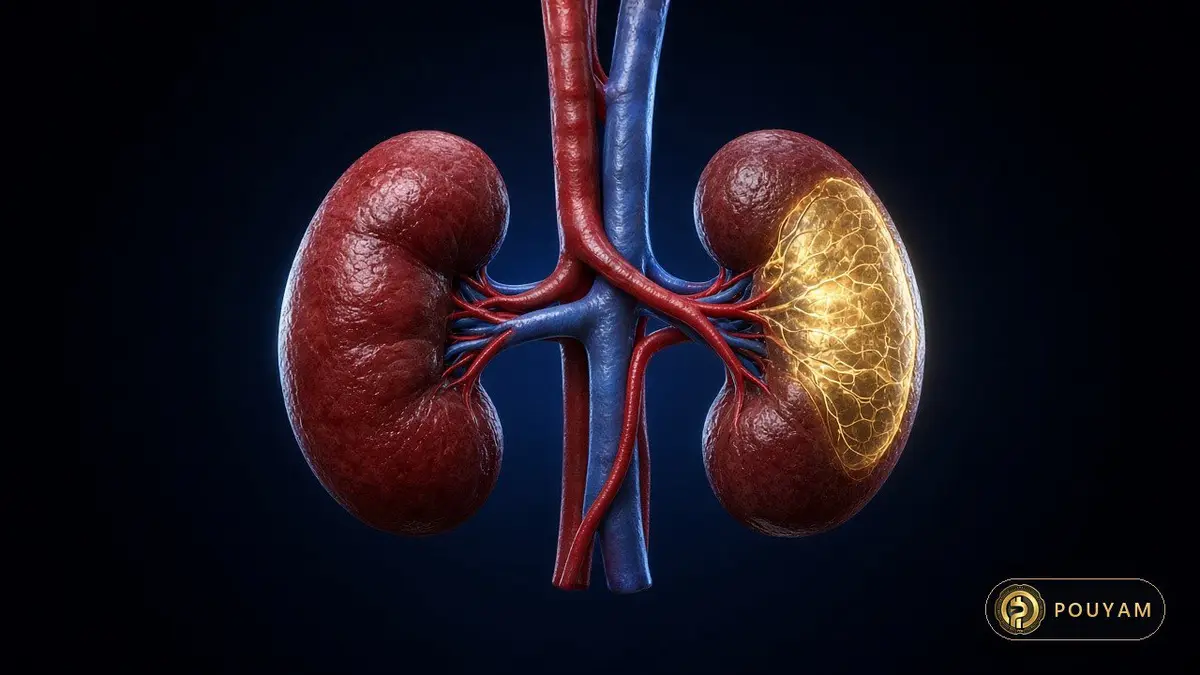
CDC lists diabetes among the conditions that raise the risk of high blood pressure, and says high blood pressure usually has no symptoms, so measuring it is the only way to know [6]. It also says high blood pressure can damage the heart, brain and kidneys, and is a leading cause of chronic kidney disease [6].
Both OPTIMAL-DIABETES targets sit within these categories: the intensive group aimed for the "normal" range, while the standard group aimed below the stage 2 threshold [1][6].
Who was in the blood pressure trial?
The trial enrolled 9,476 adults aged 50 and over with type 2 diabetes, systolic blood pressure between 130 and 180 mm Hg, and established or early cardiovascular disease, chronic kidney disease or other cardiovascular risk factors [2].
- Groups: 4,745 assigned to intensive therapy and 4,731 to standard therapy [1].
- Age and sex: mean age 64.7 years; 62.0% were women [1].
- Ethnicity: 42.5% identified as mixed race, 41.9% as white and 14.5% as Black [2].
- Health at start: 28.5% had cardiovascular disease, 3.9% subclinical cardiovascular disease and 22.6% chronic kidney disease [2].
- Starting blood pressure: average 146/80 mm Hg [2].
- Dates: enrolment ran from August 2019 to October 2021, with a median follow-up of 4 years at 33 sites in Brazil [2].
- Funding: Hospital Israelita Albert Einstein and the Brazilian Ministry of Health [1].
The registry entry, NCT04040634, lists the trial as completed with 9,476 participants enrolled [5].

Is a blood pressure under 120 better for people with diabetes?
This trial did not show that it is: the investigators say a target below 120 mm Hg "should not necessarily be applied universally to all patients", while a modest benefit cannot be ruled out [2].
Lead author Karla Santo said that although the trial "did not find a statistically significant reduction", more intensive treatment "may still have modest yet meaningful health benefits" [2].
Steering committee chair Otavio Berwanger said the findings "should not be interpreted as evidence that more intensive blood pressure lowering is ineffective", but suggest any cardiovascular benefit may be smaller than in people without diabetes [2]. He said treatment decisions should balance cardiovascular benefits, kidney effects, treatment burden and patient preferences [2].
- Current US guideline: the AHA says the 2025 AHA/ACC high blood pressure guideline recommends systolic pressure below 130 mm Hg and diastolic below 80 mm Hg, and encourages below 120 mm Hg for people at increased cardiovascular risk [2].
- Totality of evidence: Berwanger said targets should be defined from all the evidence "rather than any single trial alone" [2].
Headlines and AI summaries can turn "no significant difference" into "no benefit" or "harm"; why that happens is explained in AI Hallucinations Explained: Why Chatbots Make Things Up and How to Get Accurate Answers.
This is not medical advice. Decisions about your own treatment belong with a qualified clinician who knows your history.

How does this compare with earlier trials?
OPTIMAL-DIABETES echoes the 2010 ACCORD trial in type 2 diabetes, which also found no significant reduction in major cardiovascular events with a target below 120 mm Hg, unlike the 2015 SPRINT trial in people without diabetes [3][4].
- ACCORD (2010): 4,733 participants with type 2 diabetes; annual primary event rate 1.87% versus 2.09% (hazard ratio 0.88; 95% CI 0.73 to 1.06) [3].
- ACCORD stroke: annual stroke rates were 0.32% versus 0.53% (hazard ratio 0.59), a prespecified secondary outcome [3].
- ACCORD side effects: serious adverse events attributed to blood pressure treatment occurred in 3.3% versus 1.3% [3].
- SPRINT (2015): 9,361 people without diabetes; the trial was stopped early after a median 3.26 years because the primary outcome was lower with intensive treatment (1.65% versus 2.19% per year; hazard ratio 0.75) [4].
- SPRINT side effects: serious adverse events of low blood pressure, fainting, electrolyte problems and acute kidney injury were more common with intensive treatment [4].
OPTIMAL-DIABETES enrolled about twice as many people with diabetes as ACCORD [1][3]. Berwanger said that even a trial this large "may not have been able to definitively detect a modest treatment effect" [2].
What are the limits of the OPTIMAL-DIABETES trial?
The AHA lists two main limitations: the trial was open-label, so participants and investigators knew which strategy was used, and the results may not apply to populations outside Brazil [2].
- Open-label design: participants and investigators knew which blood pressure strategy each person was assigned [2].
- Single country: all 33 sites were in Brazil [2].
- Gap between groups: the achieved systolic difference was about 13.6 mm Hg (121.8 versus 135.4) [1].
- Kidney outcomes: the higher rate of kidney-related events, mainly declines in kidney function, needs to be weighed against any cardiovascular effect, the investigators say [2].
The AHA notes that statements from studies presented at its meetings are the authors' own and do not necessarily reflect the association's policy [2]. In this case the trial was also published as a peer-reviewed paper [1][2].
What happens next for blood pressure targets in diabetes?
The investigators call for considering the totality of evidence when setting targets, rather than any single trial alone [2].
- Guidelines: the AHA's release describes the 2025 AHA/ACC guideline as recommending below 130/80 mm Hg, and the release does not announce any change to it [2].
- Individual care: Berwanger said management for people with type 2 diabetes "should remain individualized" [2].
- Why it matters: the AHA's release says the 2025 AHA/ACC guideline identifies high blood pressure as the #1 preventable risk factor for cardiovascular disease, and the guideline also covers kidney disease, cognitive decline and dementia [2].
Anyone researching their own readings online should be aware of how health data entered into apps and chatbots may be used, as covered in Is ChatGPT Safe for Your Privacy? What AI Chatbots Do With the Data You Share. What AI tools can and cannot do in health care is covered in AI in Healthcare: What It Can Do Today, Where It Fails and How It Is Regulated.
| Measure | Intensive (<120) | Standard (<140) | Source |
|---|---|---|---|
| Patients | 4,745 | 4,731 | [1] |
| Mean systolic during follow-up (excluding first 3 months) | 121.8 mm Hg | 135.4 mm Hg | [1] |
| Major cardiovascular events | 286 (6.0%) | 315 (6.7%) | [1] |
| Hazard ratio (95% CI) | 0.90 (0.77–1.06) | reference | [1] |
| Kidney-related events | 270 (5.7%) | 175 (3.7%) | [2] |
| Serious adverse events | 706 (14.9%) | 693 (14.6%) | [1] |
Common mistakes
Concluding intensive treatment is useless
Fix: Investigators say a modest benefit cannot be ruled out [2].
Ignoring kidney effects
Fix: Kidney-related events, mainly declines in kidney function, were about 55% more common with intensive treatment [2].
Applying results to everyone
Fix: Participants had type 2 diabetes and high risk; all sites were in Brazil [2].
Treating it as the first such trial
Fix: ACCORD tested the same targets in diabetes in 2010 [3].
Assuming guidelines have changed
Fix: The AHA's release describes the 2025 AHA/ACC guideline as recommending below 130/80 mm Hg and does not announce a change [2].
Frequently asked questions
What did the OPTIMAL-DIABETES trial find?
Targeting below 120 did not significantly cut major heart events versus below 140 [1].
What do blood pressure numbers mean?
CDC says normal is below 120/80 mm Hg and high is consistently 130/80 or above [6].
Who was in the blood pressure trial?
9,476 adults aged 50+ with type 2 diabetes and high risk, in Brazil [1][2].
Is a blood pressure under 120 better for people with diabetes?
This trial did not show it; investigators say targets should be individualised [2].
How does this compare with earlier trials?
Its main result is similar to ACCORD's in diabetes, unlike SPRINT in people without diabetes [3][4].
What are the limits of the OPTIMAL-DIABETES trial?
It was open-label and conducted only in Brazil [2].
What happens next for blood pressure targets in diabetes?
Investigators urge weighing all the evidence; the AHA release does not announce a guideline change [2].
Glossary
- Systolic blood pressure
- The top number in a reading, measuring pressure when the heart beats.
- Intensive therapy
- Treatment aiming for a lower blood pressure target, here below 120 mm Hg.
- Open-label
- A trial where participants and doctors know which treatment is given.
- Hazard ratio
- The relative rate of an event in one group versus another over time.
- End-stage kidney disease
- Kidney failure needing dialysis or a transplant.
- Composite outcome
- A trial endpoint that counts any of several events.
Sources
- Intensive Blood-Pressure Lowering in Patients with Type 2 Diabetes New England Journal of Medicine · 2026-11-07
- Intensive blood pressure therapy did not cut cardiovascular events in adults with diabetes American Heart Association · 2026-11-07
- Effects of intensive blood-pressure control in type 2 diabetes mellitus New England Journal of Medicine · 2010-03-14
- A Randomized Trial of Intensive versus Standard Blood-Pressure Control New England Journal of Medicine · 2015-11-09
- Optimal Blood Pressure for the prevenTIon of Major vAscuLar Events in Patients With DIABETES Mellitus (OPTIMAL-DIABETES) ClinicalTrials.gov · 2026-08-04
- About High Blood Pressure CDC · 2026-10-13




Comments
Top comments