




Exclusive to Axios: Mohammed bin Salman expressed concern about Trump’s plans for broad attacks on Iran
- Axios reporter Barak Ravid
According to two U.S. officials and another source familiar with the call, Mohammed bin Salman, the Saudi crown prince, spoke with President Trump on Saturday and expressed concern about his plans to carry out new, broad attacks against Iran.
Why it matters: Trump is seriously considering striking Iranian energy targets in the coming days; an action raised in response to Iran’s missile attack on a U.S. base in Jordan and Iran’s continued disruption of shipping through the Strait of Hormuz. He has not yet issued a final order for these attacks.
The big picture: Such an attack could lead to an unprecedented escalation in the five-month war; a war that had repeatedly been halted by Trump’s attempts to open pathways for negotiations, but resumed again after diplomatic efforts failed.
Details: Iran has threatened that, in response, it will target energy facilities and infrastructure in Israel and Gulf countries.
A U.S. official told Axios: “The Saudis raised their concerns and asked for clarification about the plans for action.”
A second source who was aware of the call said Mohammed bin Salman urged Trump to de-escalate tensions and refrain from carrying out these attacks.
The White House and the Saudi embassy in Washington declined to comment on the matter.
Quick review: Trump met on Wednesday with Prince Khalid bin Salman, Saudi defense minister, known by the abbreviation KBS.
A source familiar said the meeting was added afterward to the defense minister’s travel schedule, during which he met with the vice president, J.D. Vance, and told him that Saudi Arabia wants to reduce tensions with Iran.
The message was conveyed despite this week’s joint U.S. and Saudi attack against Iran-backed militias in Iraq.
The source said the purpose of these meetings was to convey Mohammed bin Salman’s views on the Iran war and the broader situation in the region.
Reading between the lines: Saudi Arabia is one of Washington’s most important allies in the region. Despite periods of tension during the past five months, Riyadh has influenced Trump’s policy toward Iran at several key moments since the war began.
Lead story: Other regional powers, including Qatar, the United Arab Emirates, Turkey, and Pakistan, have also pressured the U.S. and Iran to reduce tensions.
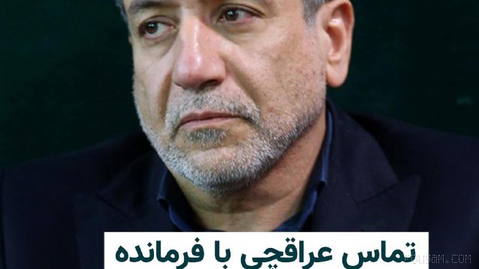
On Saturday, Abbas Araghchi, Iran’s foreign minister, spoke with Field Marshal Asim Munir, the commander of Pakistan’s army—an individual who has served as one of the key intermediaries between Washington and Tehran.
Araghchi also discussed the possibility of U.S. attacks with the foreign ministers of Turkey and Saudi Arabia.
In a statement on his Telegram channel, Araghchi told his Saudi counterpart: “Any hostile action by the United States or Israel, or the involvement and cooperation of regional countries in such actions, will be met with a decisive and proportionate response by Iran’s powerful armed forces.”
What to watch: Qatar’s mediators held separate talks on Saturday with Araghchi, Steve Witkoff, the White House envoy, and Omani officials to try to reach an agreement to reopen the Strait of Hormuz.
A source familiar with the negotiations said the talks have made progress, but it is still unclear whether that progress will be enough to contain the crisis.

Comments
Top comments