




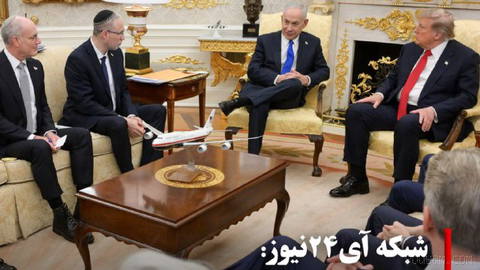
Details of a fateful meeting between Bibi and Trump at the White House
An Israeli senior official, speaking in a briefing with reporters, said that Benjamin Netanyahu, the Israeli prime minister, expressed doubt in his meeting with President Trump about the likelihood of reaching an agreement with Iran and discussed increasing economic pressure on Iran “through military and non-military tools.”
Why it matters: The Tuesday meeting was Netanyahu’s first meeting with Trump since the start of the war on February 28. The meeting took place at a time when Trump was still trying to reach an agreement with Iran, but was also considering a return to large-scale military operations.
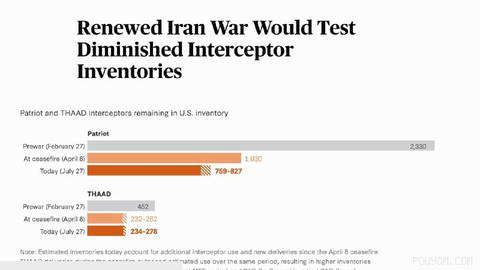
A few hours after the meeting, Iran launched a missile attack on a U.S. base in Jordan for the first time since Trump on Friday halted U.S. attacks on Iran.
In an interview with Fox News on Wednesday, Trump promised a serious response. Iran’s surprise attack could push the president toward a full escalation of the conflict.
The Israeli official said Netanyahu was waiting for Trump’s decision, but had clearly told him that if Iran attacks Israel, Israel’s response would be immediate and powerful.
Inside the meeting: Iran was the main focus of the 90-minute discussion.
The Israeli official said they discussed three options that Trump has in mind for next steps:
1. Reaching an agreement with Iran. Trump’s envoys, Steve Witkoff and Jared Kushner, are still negotiating with the Iranians, although differences still appear to be wide. The official said Netanyahu told Trump that he is skeptical about the possibility of reaching an agreement with Iran.
2. Continuing Iran’s naval blockade along with increased economic pressure.
3. Resuming and escalating military attacks.
The official said: “We discussed all these options in detail and in complete clarity. Not with the aim of supporting a particular option, but to examine what the best outcome of each would be. The subject of the discussion was precisely that.”
More details: The Israeli official said Trump expressed concern about the impact of the war on energy markets and the global economy.
Netanyahu told Trump that the Iranian government is mainly trying to use the only pressure lever left to it— the Strait of Hormuz— to force the United States to make concessions.
The official said Netanyahu did not dismiss Trump’s concerns, but told him that there are ways to continue increasing pressure on Iran’s economy—an economy that is already under severe pressure.
The official said: “We discussed increasing economic pressure through military and non-military tools. We talked about the possibility of continuing the blockade in order to exert pressure on Iran.”
The Israeli official said that within Iran’s leadership there is disagreement between those who are deeply worried about an economic collapse and more hardline elements who believe that as long as they maintain control over weaponry and support for the government’s supporters, there is no problem.
He added: “They are facing fuel supply problems, long lines at gas stations, and a shortage of diesel fuel. There are small protests due to public dissatisfaction. The government is very concerned about this. They are worried that people will stage broad protests because of the economic situation.”


Comments
Top comments