




A weakened Netanyahu arrives for his important meeting with Trump
- Axios reporter Barak Ravid
Benjamin Netanyahu will meet with Donald Trump at the White House in the Oval Office on Tuesday for the 8th time since the president returned to power. But this time, the Israeli prime minister is entering the White House in a weaker, less influential position than in any of the seven prior meetings.
Why it matters: On February 28, Trump and Netanyahu entered the war together, and it seemed there were no differences between them. But exactly five months later, their interests have moved further apart than ever, and with increasing skepticism about each other’s intentions, tensions and disappointment between them have deepened.
Recent developments: Netanyahu’s trip comes days after Trump halted U.S. attacks against Iran and announced that his envoys are once again trying to reach an agreement with the Iranian regime.
Last Friday, Netanyahu found himself engaged in lengthy negotiations with his cabinet over the war, while largely being unaware of Trump’s views and plans.
Lack of coordination led Netanyahu and Israel’s defense forces (the Israel Defense Forces) to prepare for the worst-case scenario: a return of the United States to large-scale military operations. Only late on Friday night did Israel realize that Trump had decided to pause the attacks for now.
Trump told Axios that if the talks fail, he would still be considering resuming a broad military campaign. Such a move would likely include a joint military operation with Israel, similar to Operation Epic Fury at the beginning of the war.
The meeting with Netanyahu could be significant as Trump assesses his next steps, including possible coordination between the two countries.
But the Israeli prime minister is well aware of the narrative that he brought Trump into the war. Even if it is already late to dispel that perception, he does not want to appear as if he is doing it again.
Behind the scenes: In the first months of the war, Trump and Netanyahu spoke with each other almost every day to align their views and exchange information. But in recent weeks, their phone calls have become less and less frequent.
Sources say Netanyahu has relied more on Marco Rubio, the U.S. secretary of state, to understand Trump’s views.
Netanyahu even ran into difficulties getting onto Trump’s schedule for Tuesday’s meeting. He wanted to go to the White House last week, but was unable to secure an appointment.
More details: Since the ceasefire on April 8, Netanyahu’s influence on the war policies and decision-making of Trump has gradually declined.
In mid-June, Trump signed a memorandum of understanding with Iran despite Netanyahu’s doubts. U.S. and Israeli officials said that the Israeli prime minister tried to persuade Trump to continue the war so that the Iranian regime’s military capabilities would be further weakened, but he did not succeed.
When the agreement was signed, Netanyahu did not publicly take a position against it and hoped the deal would fall apart on its own. A few weeks later, that happened.
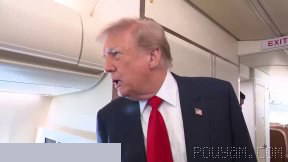
On Monday, Trump acknowledged that there is a gap between him and Netanyahu regarding Iran. On Air Force One, he told reporters: “We have a bit of disagreement, but we’re very close”; when he was asked whether he agrees with Netanyahu regarding the war.
A specific example: Two weeks ago, Netanyahu was unable to persuade Trump not to approve the sale of F-35 fighter jets to Turkey.
On Monday, regarding Netanyahu’s opposition to the deal, Trump said: “Nobody tells me what to sell or what not to sell. Turkey has been an amazing ally for me. Turkey is not a big supporter of Israel... and it’s not a big supporter for Bibi either.”



Comments
Top comments