

OpenAI Drops o3-Pro: What the New Reasoning Model Means for AI
 +185
+185 OpenAI has surprised the AI community with the release of o3-pro, a new model that appears to push reasoning performance forward in a meaningful way. Early reactions suggest the model is being posi...
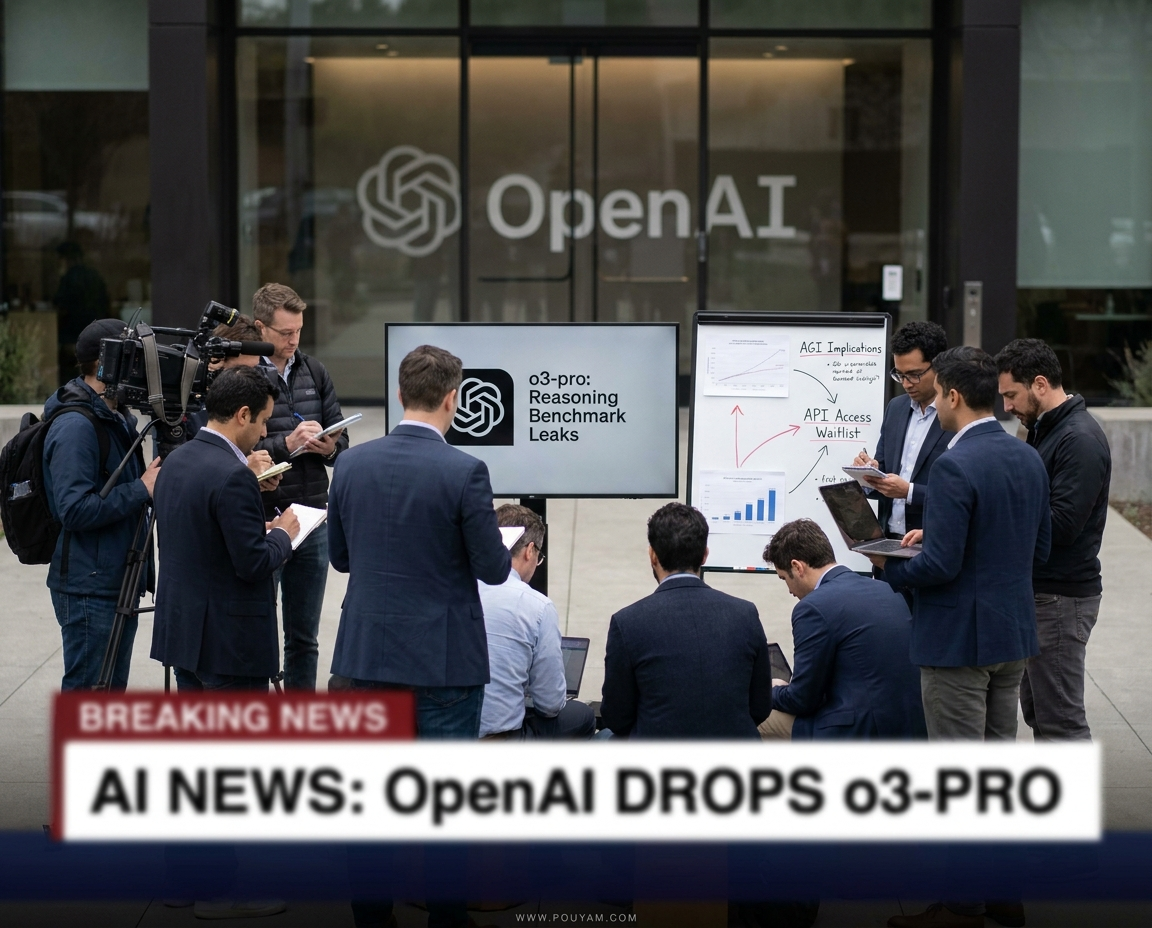
OpenAI has surprised the AI community with the release of o3-pro, a new model that appears to push reasoning performance forward in a meaningful way. Early reactions suggest the model is being positioned as a stronger option for complex problem-solving, especially in tasks that require multi-step logic, careful analysis, and more reliable outputs. The timing has sparked extra attention because the launch arrived with little warning, fueling immediate speculation about what this means for OpenAI’s broader model roadmap.
What makes o3-pro especially interesting is the focus on reasoning rather than just speed or fluency. In the current AI race, benchmark gains can be important, but users and developers are increasingly looking for models that can think through harder prompts with fewer mistakes. That is why the community is watching leaked benchmark discussions and early API access reports so closely. If the early claims hold up, o3-pro could become a useful tool for developers building applications that depend on deeper analytical performance.
The rollout also reflects how quickly the AI landscape is shifting. OpenAI’s latest move adds pressure on competitors and raises expectations for what next-generation models should deliver. For businesses, researchers, and everyday users, the bigger story is not just the model itself, but the direction it signals: more capable AI systems that move closer to dependable reasoning across real-world workflows. As more independent tests emerge, o3-pro will likely be judged not only by benchmark numbers, but by how well it performs in practical use.
For now, the release has done what surprise launches often do best: it has energized the conversation. Whether o3-pro turns out to be a major leap or a carefully timed step forward, it is already shaping the debate around AGI, model reliability, and the future of AI APIs.
BlogComments.title
BlogComments.loading