
AI Voice Cloning Sparks Fresh Ethics Debate Over Consent and Deepfakes
 +187
+187 A newly launched AI voice-cloning tool is already at the center of a fast-moving ethics debate, after tech influencers began discussing it minutes after release. While the technology highlights how...
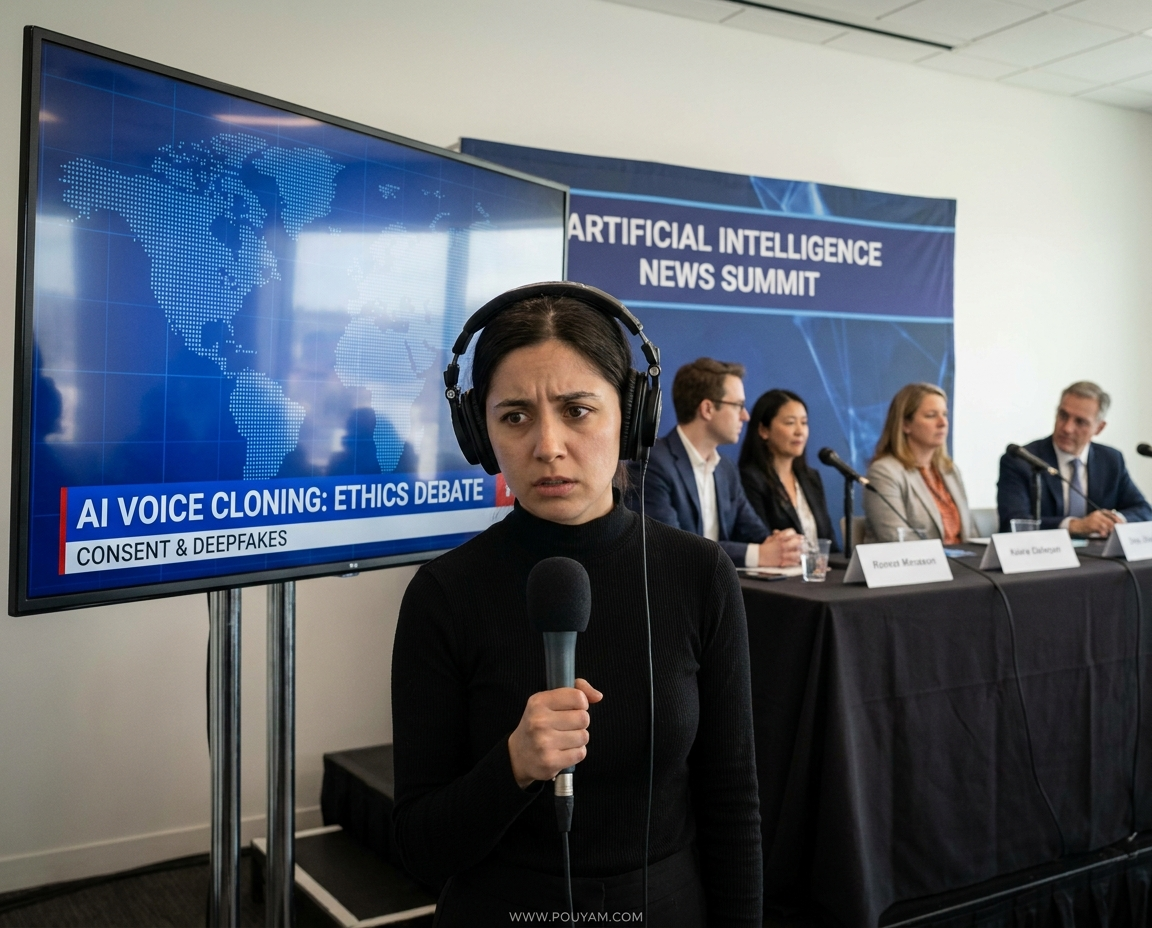
A newly launched AI voice-cloning tool is already at the center of a fast-moving ethics debate, after tech influencers began discussing it minutes after release. While the technology highlights how far generative AI has advanced, it also raises difficult questions about consent, identity, and the potential misuse of someone’s voice.
Supporters say voice cloning can be useful for accessibility, content creation, dubbing, and customer support. But critics argue that the same capabilities can easily be turned into deception, enabling realistic deepfakes that impersonate public figures, creators, or even private individuals without permission. That risk makes consent one of the most important issues in the conversation.
The concern is not just about whether AI can imitate a voice, but whether it should be allowed to do so without clear safeguards. As more companies release these tools, the pressure is growing for stronger verification, watermarking, and transparent policies that protect users from fraud and manipulation. The debate shows that AI innovation and ethical responsibility need to move forward together.
For now, the launch serves as a reminder that the speed of AI development is outpacing many of the rules meant to govern it. How the industry responds to voice cloning may help shape the future of trust in synthetic media.
BlogComments.title
BlogComments.loading