



“When you stay in prison, you become numb; either you have to break out and get to work, or you have to gulp handfuls of sedative pills.”
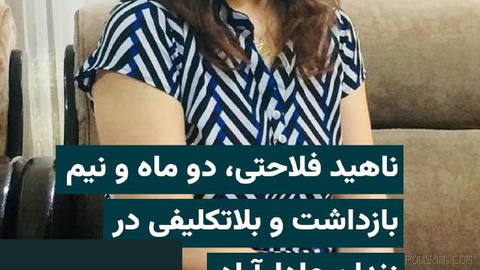
This is Sepideh Ghalian’s account from the years she worked in prison. Where, according to her, prisoners were forced to work in order to endure the harsh conditions of imprisonment, cover the costs of living, and sometimes even to gain access to phones and visits. Work that, in some cases, came with meager wages and conditions similar to exploitation.
But this same experience shaped a different idea in Sepideh Ghalian’s mind: work—not as a tool for exploiting prisoners, but as a way to achieve financial independence and preserve her human dignity.
The “Ma” workshop is now a place where leather handicrafts made by incarcerated women and former prisoners are sold. A project, according to Ghalian, that seeks to ensure that the income from the work goes directly to the prisoner and keeps her away from dependence and exploitation.
In an interview with Raqiyeh Rezaei, the writer of this report, we spoke about Sepideh Ghalian’s account of seven years in prison, the working conditions of prisoners, the experience of forced labor, and the formation of the “Ma” workshop. See the full version of this interview on the IranWire TV channel and on the IranWire YouTube channel.



コメント
トップコメント