


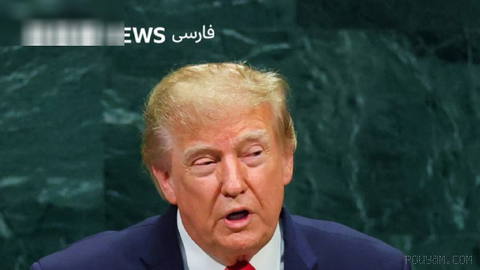
Trump’s speech at the United Nations; a contradiction between diplomacy and a threat of annihilation 🖌Khashayar Janidi, BBC, Washington
Donald Trump, in the United Nations General Assembly, put Iran before a binary choice: reaching an agreement with Washington and rebuilding the country, or facing “rapid destruction” of the Islamic Republic. He then predicted that an agreement would likely be reached after the U.S. election.
These remarks reflect Mr. Trump’s usual approach to “coercive diplomacy”: keeping the path to negotiations open while, at the same time, threatening to use destructive power.
However, the tone he used blurred the line between threatening the survival of a political system and threatening the entirety of Iran. Referring to leaving “no chance for survival” and “no hope for future generations” from the podium of the United Nations carries a bitter irony.
The United Nations was established after World War II with the aim of saving future generations from war, but Mr. Trump has spoken from one of its most important platforms about depriving a country of hope for the future.
And yet, this threat does not mean the end of diplomacy. In his remarks, Mr. Trump effectively set the terms for possible negotiations: Washington is still prepared for an agreement, but the talks must take place under the shadow of an existential threat.


Comments
Top comments