
India Inflation October 2026: Retail CPI Hits 6.09%
- 3 views
- 0 likes
- 0 comments
- All languages combined
In short
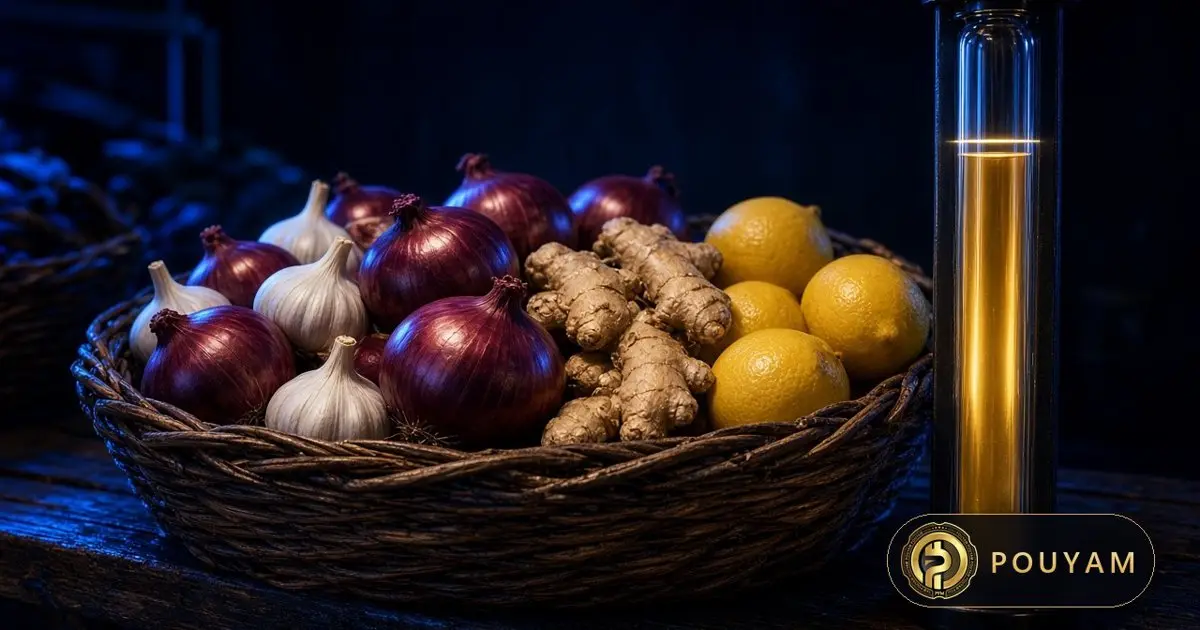
India's retail inflation rose to 6.09% in October 2026 from 5.54% in September, official data released on 12 November show [1]. Food inflation jumped to 8.94%, led by onion, garlic and ginger [1]. It is the first breach of the RBI's 6% upper tolerance limit under the new CPI series [2].
Key takeaways
- All-India CPI inflation was 6.09% in October 2026 (provisional), up from 5.54% in September [1].
- Rural inflation was 6.63% and urban inflation 5.41% [1].
- Food inflation (CFPI) rose to 8.94% from 7.74%; onion prices were up 116.22% on the year [1].
- Housing, water, electricity and fuel inflation was only 2.90% [1].
- The RBI raised its repo rate to 5.50% on 7 October and said rate cuts are off the table in the near term [3][4].
- The RBI's next policy meeting is on 2-4 December 2026; November CPI is due on 14 December [1][3].
On this page 13 sections
- What was India's inflation rate in October 2026?
- Why did inflation rise above 6%?
- Which prices rose the most in October?
- Why is rural inflation higher than urban inflation?
- What does 6.09% inflation mean for the RBI?
- How is the new 2024-base CPI different?
- How can households cope with higher food prices?
- When is the next inflation data and RBI decision?
- How has India's inflation changed over recent months?
- Common mistakes
- Frequently asked questions
- Glossary
- Sources
What was India's inflation rate in October 2026?
India's retail inflation, measured by the all-India Consumer Price Index, was 6.09% in October 2026, up from 5.54% in September [1]. The Ministry of Statistics and Programme Implementation (MoSPI) released the provisional figure on 12 November 2026 at 4:00 p.m. India time [1].
The combined CPI index on base 2024=100 rose to 110.05 in October from 109.49 in September [1]. Inflation was 6.63% in rural areas and 5.41% in urban areas [1].
A Reuters poll of economists had expected 5.93% [6], and a Mint poll of 15 economists had expected about 6% [2], so the reading came in at or slightly above expectations. Mint said it is the highest in two years and the first time inflation has crossed the Reserve Bank of India's 6% upper tolerance limit since the new series started in January 2026 [2]. Under the old series, inflation last breached 6% in October 2024, at 6.2% [2].
October's figure is provisional. MoSPI usually publishes a final number a month later, alongside the next provisional reading [1].
Why did inflation rise above 6%?
Food prices drove the jump: food inflation rose to 8.94% in October from 7.74% in September [1]. Food and beverages have the largest weight in the index, at 36.75%, so a food spike moves the headline number quickly [1].
Ranen Banerjee of PwC India told Mint that food was the primary reason, which is why rural inflation, where food takes a larger share of spending, was higher than urban inflation [2]. An unfavourable base effect also played a part, meaning prices a year earlier were relatively low [2].
The RBI's October policy statement already flagged supply risks from a deficient south-west monsoon, El Niño conditions and volatile energy prices [3]. It also noted signs that price pressures were spreading beyond food, with core inflation picking up [3].
DBS Bank economist Radhika Rao said the October data showed "signs of broadening out of price pressures on a sequential basis" [2].

Which prices rose the most in October?
Onion prices rose 116.22% year on year in October, the highest of any key item, followed by garlic at 60.74% and silver jewellery at 52.39% [1]. Ginger rose 48.32% and lemon 47.30% [1].
Some vegetables got cheaper. Potato prices fell 14.24%, cauliflower 10.57%, coconut 5.60%, brinjal 3.34% and cabbage 1.92% [1].
By spending category, the fastest increases were personal care, social protection and miscellaneous goods at 10.14% and restaurants and accommodation at 10.06% [1]. Mint noted that personal care inflation actually eased from 13.75% in September, which reflects high precious-metal prices in that group [2]. Transport rose 5.84%, clothing and footwear 4.96%, education 4.02% and health 2.05% [1].
The table below lists the main categories.
Why is rural inflation higher than urban inflation?
Rural inflation was 6.63% against 5.41% in cities because food makes up a bigger share of rural household spending [1][2]. Rural food inflation was 9.09% and urban food inflation 8.68% [1].
Urban inflation stayed inside the RBI's 2% to 6% tolerance band, while rural inflation was above it [2]. That gap matters for policy and for households: families who spend most of their income on food feel price rises more than the headline number suggests.
Among larger states, MoSPI's chart shows the highest headline rates between 7.17% and 7.29% [1]. DD News, citing the government data, listed Andhra Pradesh at 7.25%, Madhya Pradesh at 7.19% and Odisha at 7.17% [5]. Mint said inflation was lowest in states and territories including Delhi, Mizoram and Tripura [2].

What does 6.09% inflation mean for the RBI?
The Reserve Bank of India had already raised its repo rate by 25 basis points to 5.50% on 7 October 2026, before October's 6.09% reading was published [3]. The vote on the rate rise was unanimous, and the RBI also changed its stance to "calibrated tightening" [3].
The RBI said that stance means "rate cuts are off the table in the near term and policy action ahead can only be a rate hike or a pause" [3][4]. Two members, Nagesh Kumar and Ram Singh, wanted to keep the stance neutral [3].
In October the RBI projected inflation at 5.2% for 2026-27, with 6.0% in the October-December quarter and 5.7% in January-March [3]. It said headline inflation was expected to average almost 5.8% over the next three quarters [3][4].
Several economists quoted by Mint expect another rate rise at the December meeting, with estimates between 25 and 50 basis points [2]. These are private forecasts. The RBI's Monetary Policy Committee meets on 2-4 December, and the outcome is not known in advance [3].

How is the new 2024-base CPI different?
Since January 2026, India's CPI uses 2024 as its base year and new spending weights from the 2023-24 Household Consumption Expenditure Survey [1][2]. Mint reported that the change raised the share of core items by about 10 percentage points and gave volatile food a smaller share [2].
The new series also gives housing a larger weight, at 17.66% for the housing, water, electricity, gas and fuels division [1]. Because housing inflation is low, at 2.90% in October, this tends to dampen the headline figure [1][2].
Mint cautioned that October's number cannot be directly compared with the same month a year earlier on the old series [2]. The new index started with a revised 2.74% reading in January 2026 [2].
MoSPI says prices are collected weekly from 1,407 urban markets, including online markets, and 1,465 villages, with a 100% response rate in October [1]. Petrol, diesel and LPG prices are recorded as of the 15th of each month [1].
How can households cope with higher food prices?
The biggest pressure is on vegetables such as onion, garlic and ginger, while potato, cauliflower and cabbage got cheaper in October [1]. Practical steps follow from that pattern:
- Shift some meals towards items whose prices fell, such as potato, cauliflower and cabbage [1].
- Buy fast-rising items like onion and garlic in smaller quantities more often, rather than stockpiling at peak prices.
- Compare local market and online prices; MoSPI's own price survey includes online markets alongside physical ones [1].
- Review loan EMIs: the repo rate is 5.50% and the RBI has said rate cuts are off the table in the near term, so it is worth checking how a floating-rate loan is linked to the repo rate [3][4].
This is general information, not financial advice. Decisions on loans or savings depend on your own situation.
When is the next inflation data and RBI decision?
The RBI's Monetary Policy Committee meets on 2-4 December 2026, and MoSPI will release November CPI data on 14 December 2026, or the next working day if that is a holiday [1][3].
That order matters: the RBI will decide without November's official inflation figure, with October's 6.09% as the latest official reading [1][3]. ICRA chief economist Aditi Nayar told Mint she expects a similar reading in November [2].
For how another central bank handled rising prices, see the Pouyam guide Fed Rate Decision Explained: What the October 2026 Hold Means for Loans and Savings. Since silver and gold jewellery feature among the fastest-rising items, Gold Price Today: Why Gold Prices Move and How People Invest explains what drives precious-metal prices.
How has India's inflation changed over recent months?
Inflation has climbed steadily since mid-2026: the RBI reported 4.5% in July and 4.8% in August, MoSPI's September reading was 5.54%, and October reached 6.09% [1][3].
Food inflation rose even faster. Mint's series, based on MoSPI data, shows food inflation at 5.32% in June, 5.52% in July, 5.97% in August, 7.74% in September and 8.94% in October [1][2]. That is a jump of more than 3.5 percentage points in four months.
The RBI's October statement said core inflation, which strips out food and fuel, rose to 4.2% in August, and to 2.9% when precious metals are also excluded [3]. It added that the share of items in the CPI basket with inflation above 4% had risen to about 37% in August [3]. Those measures help the RBI judge whether price rises are spreading from food to the wider economy, which is the main concern behind its rate rises [3][4].
October's housing division stood at 2.90%, compared with 2.74% in September, Mint reported, so rents and utilities have not been a major driver [2].
| Measure | Sep 2026 | Oct 2026 (provisional) |
|---|---|---|
| CPI combined | 5.54% | 6.09% |
| CPI rural | 6.08% | 6.63% |
| CPI urban | 4.88% | 5.41% |
| Food (CFPI) combined | 7.74% | 8.94% |
| Food rural | 8.06% | 9.09% |
| Food urban | 7.18% | 8.68% |
| Division | Weight | Inflation |
|---|---|---|
| Food and beverages | 36.75 | 8.51% |
| Housing, water, electricity, gas, fuels | 17.66 | 2.90% |
| Transport | 8.80 | 5.84% |
| Clothing and footwear | 6.38 | 4.96% |
| Health | 6.10 | 2.05% |
| Personal care, social protection, misc. | 5.04 | 10.14% |
| Restaurants and accommodation | 3.35 | 10.06% |
| Education services | 3.33 | 4.02% |
Common mistakes
Comparing the 6.09% directly with old-series readings.
Fix: The CPI was rebased to 2024 in January 2026; comparisons with the old series are approximate [2].
Treating the October figure as final.
Fix: It is provisional and may be revised next month [1].
Assuming all prices rose.
Fix: Potato, cauliflower, coconut, brinjal and cabbage got cheaper [1].
Treating economists' rate forecasts as RBI decisions.
Fix: The MPC meets on 2-4 December 2026 and has not yet decided [3].
Frequently asked questions
What was India's inflation rate in October 2026?
6.09% (provisional), up from 5.54% in September [1].
What was food inflation in October 2026?
8.94%, up from 7.74% in September [1].
Is 6.09% above the RBI's limit?
Yes. The RBI's tolerance band is 2% to 6%, so 6.09% is above the upper limit [2].
Which item had the highest inflation?
Onion, up 116.22% year on year [1].
When is the next RBI policy decision?
The MPC meets on 2-4 December 2026 [3].
When will November 2026 CPI be released?
On 14 December 2026, or the next working day [1].
Glossary
- CPI
- Consumer Price Index, which tracks the prices of goods and services bought by households [1].
- CFPI
- Consumer Food Price Index, the food-only part of the CPI [1].
- Repo rate
- The rate at which the RBI lends to banks; it influences loan rates [3].
- Base effect
- The impact of last year's price level on this year's percentage change [2].
- MPC
- The RBI's Monetary Policy Committee, which sets the repo rate [3].
Sources
- Press Release of Consumer Price Index on Base 2024=100 for October, 2026 Ministry of Statistics and Programme Implementation (NSO) · 2026-11-12
- Retail inflation hits 6.09% in October, crosses RBI's upper tolerance limit Mint · 2026-11-12
- Monetary Policy Statement, 2026-27: Resolution of the Monetary Policy Committee, October 5 to 7, 2026 Reserve Bank of India · 2026-10-07
- 'Rate cuts are off the table in the near term': RBI in October MPC minutes Business Today · 2026-10-22
- Retail Inflation Rises to 6.09 percent in October, Food Inflation at 8.94 percent DD News · 2026-11-12
- India's October retail inflation at 6.09% on-year Reuters (via Investing.com) · 2026-11-12




Comments
Top comments