
XCPE Botnet Takedown: Is Your Android TV Box Infected?
Published
- 45 views
- 0 likes
- 0 comments
- All languages combined
 +30
Sign in and earn +30 points by reading this
Read to the end, wait a few seconds, then tap the claim button below.
In short
In late October 2026, Google and industry partners dismantled XCPE, a botnet of more than 1.3 million Android TV set-top boxes [1]. Google says manufacturer Videostrong built the backdoor into device firmware [1]. Owners of infected boxes saw only a working streaming device and cannot remove the implant themselves [3]. Warning signs include uncertified devices and unofficial app stores [5].
Key takeaways
- Google says the XCPE backdoor enrolled more than 1.3 million set-top boxes and that it was intentionally built and operated by Videostrong Technology Co. [1].
- Taking down the affiliates' control domains is expected to cut access to at least 10 million more compromised devices [1].
- The backdoor sits in the firmware and reinstalls itself from the /oem/ partition after a reboot if a user uninstalls it [1].
- TrendAI counted 1,472,554 infected devices across 206 models between June and October 2026, and says infected boxes looked like normal streaming devices [3].
- The FBI's warning signs include devices that are not Play Protect certified, app stores that ask you to disable Play Protect, and unknown brands sold as 'unlocked' [5].
- A model name on a published list is not proof of infection on its own [4]; certification and the device's source are better first checks [7].
On this page 11 sections
- What was the XCPE Android botnet takedown?
- What did the infected TV boxes actually do?
- How big was the botnet, and where were the devices?
- How can you tell if your TV box or phone is infected?
- What should you do if your device may be infected?
- How do you avoid buying an infected device?
- Is the danger over after the takedown?
- Common mistakes
- Frequently asked questions
- Glossary
- Sources
What was the XCPE Android botnet takedown?
A botnet is a network of internet-connected devices that criminals control remotely without the owners knowing [5]. In a report published on 2 November 2026, Google's Threat Intelligence Group said that, the previous week, Google and industry partners had dismantled the XCPE backdoor, which had enrolled more than 1.3 million set-top boxes into a botnet [1]. KrebsOnSecurity reported the announcement the same day [2].
Google assesses with high confidence that the backdoor and botnet were intentionally developed, deployed and operated for financial gain by Videostrong Technology Co. [1]. Videostrong is an Android device maker and design manufacturer [1]. KrebsOnSecurity describes it as a TV box manufacturer in China [2]. According to Google, Videostrong sold access to the backdoor to criminal affiliates and loaded their malware onto infected devices [1].
Google worked with Japan's National Police Agency, Lumen, HUMAN Security, Plume, Synthient and TrendAI [1]. Its actions included [1]:
- legal action to take down the domains and servers Videostrong used to control the botnet;
- legal action against control domains used by more than a dozen malware families loaded through the backdoor;
- banning Videostrong and any future subsidiaries or affiliates from building certified Android devices or supplying software to certified vendors;
- improving how it checks the integrity of firmware on certified Android TV devices.
Google estimates that cutting off the affiliates' control domains will sever access to at least 10 million more compromised devices, because those affiliates also spread their modules through other channels [1].
What did the infected TV boxes actually do?
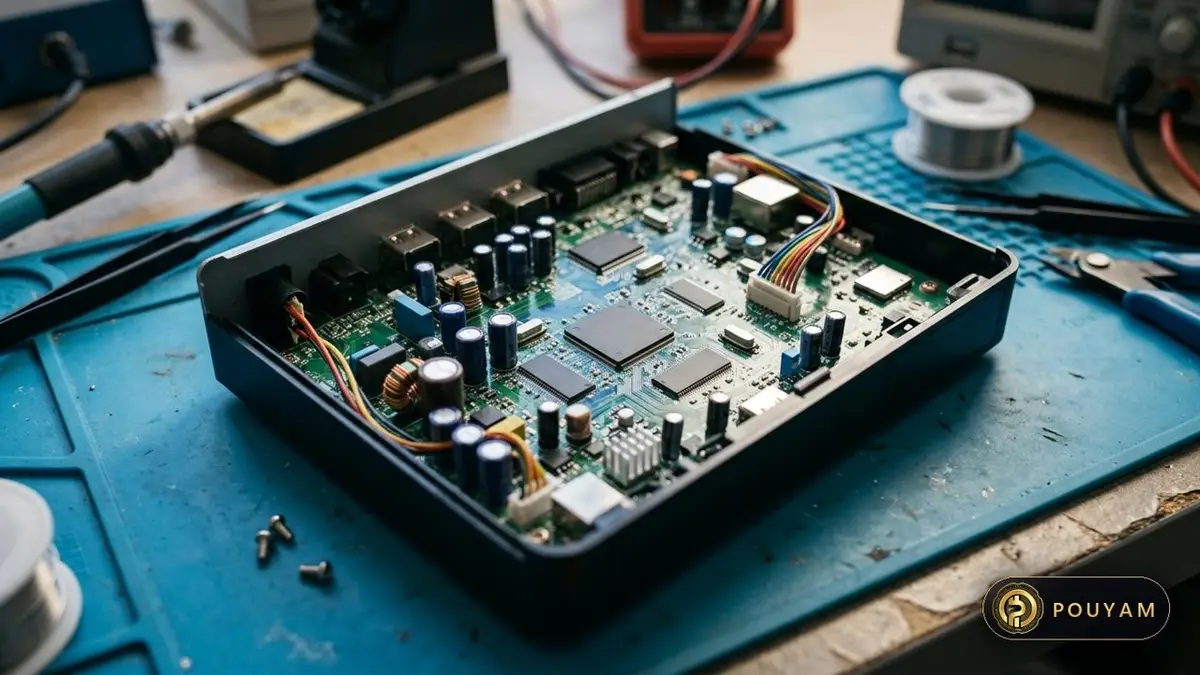
Google describes a three-part system [1]. The core backdoor, x.cpe (called com.oemservice in some builds), is preloaded in the firmware and runs with system-level privileges [1]. A separate loader then runs money-making modules [1]. If a user uninstalls the backdoor, it reinstalls itself from the device's /oem/ partition at the next reboot [1].
The modules did three main things, according to Google [1]:
- Residential proxies. The box quietly rents out your home internet connection, so strangers' traffic appears to come from your address [1][2]. KrebsOnSecurity notes that residential proxy services are a major source of account-takeover traffic, advertising fraud and mass content scraping [2].
- Ad fraud. Hidden modules generate fake advertising activity [1].
- More malware. The backdoor could install apps silently, run shell commands, capture the screen and inject keystrokes [1].
Google also saw operators collecting account information, device information, lists of installed apps and system logs, and opening remote shells on devices [1]. The backdoor included code to bypass Google Play Protect [1]. TrendAI says a script turned off Play Protect on a large number of devices [3].
Was it only TV boxes?
No. Most infected devices were Android TV set-top boxes, but Google also found the malware in telehealth devices, karaoke machines and digital signage [1].
How big was the botnet, and where were the devices?
The partners' joint figure is more than 1.3 million devices [1][3]. TrendAI's own telemetry counted 1,472,554 infected devices across 206 models [3]. Its figures cover 3 June to 1 October 2026. Collection was intermittent, so TrendAI calls all figures lower bounds [3]. Synthient's founder called the 1.3 million number "highly conservative" [2].
TrendAI reports devices in more than 170 countries. The largest numbers were in Malaysia, Brazil, Iraq, Mexico and Taiwan [3]. It counted roughly 26,000 to 42,000 devices each in the United States, Germany, the United Kingdom, Australia and Canada [3]. Over the same period, TrendAI saw 3,849,226 distinct residential exit IP addresses, the home connections that the proxy services resold [3].
How does XCPE relate to BadBox 2.0 and Kimwolf?
XCPE is the latest in a series of cases involving cheap Android boxes. In June 2025, the FBI warned about BadBox 2.0, a botnet of millions of infected home devices, most of them made in China [5]. In July 2025, Google sued BadBox 2.0's operators in New York federal court, saying the botnet had compromised more than 10 million uncertified devices [6]. In January 2026, KrebsOnSecurity reported that Kimwolf had infected more than 2 million devices by Synthient's count, two-thirds of them Android TV boxes with no security or authentication built in [10]. Google's XCPE report notes that Videostrong changed its malware around late 2024, possibly in response to Google's earlier BadBox enforcement [1].
How can you tell if your TV box or phone is infected?
Finding an infection yourself is hard. TrendAI describes an infected box doing the operator's work while its owner saw only a working streaming device [3]. Google's report lists technical indicators such as package names and file hashes, but no consumer checking procedure [1]. Instead, look for the risk factors the FBI listed for BadBox 2.0, which apply equally here [5]:
- the box uses an app marketplace you do not recognise;
- you were told to disable Google Play Protect;
- it is a generic streaming device advertised as "unlocked" or as giving free access to paid content;
- the brand is one you cannot recognise;
- the Android device is not Play Protect certified;
- your home network shows unexplained or suspicious internet traffic.
The FBI notes that one sign on its own does not confirm malicious activity [5].
How do you check Play Protect certification?
- Open the Google Play Store app [7].
- Open the profile or settings menu and choose Settings, then About; the certification status appears there [7].
- Check that Play Protect scanning is on. On Android TV (Android 11 or later), go to Play Store, then Menu, then Play Protect, then Settings, and confirm Scan apps with Play Protect is on [8].
Google says uncertified devices may be less secure, may not get updates, and run unlicensed copies of Google apps [7]. Certification lowers risk but is not a guarantee. Videostrong got around Google's tests by loading its code after the first boot [1]. Synthient's research device, a MeCool KM9PRO, reports its platform as Google TV [4].
Can you check your model against a list?
Synthient has published a list of device model names seen in the campaign. It warns that a model name alone is not enough to confirm compromise [4]. Treat a match as a reason to investigate further, not as a diagnosis.
What about phones?
For phones, Google lists general signs of malware: virus warnings, anti-virus software that stops working, a very slow or malfunctioning device, browser pop-ups or homepage changes that keep returning, and messages sent from your account that you did not write [9].
What should you do if your device may be infected?
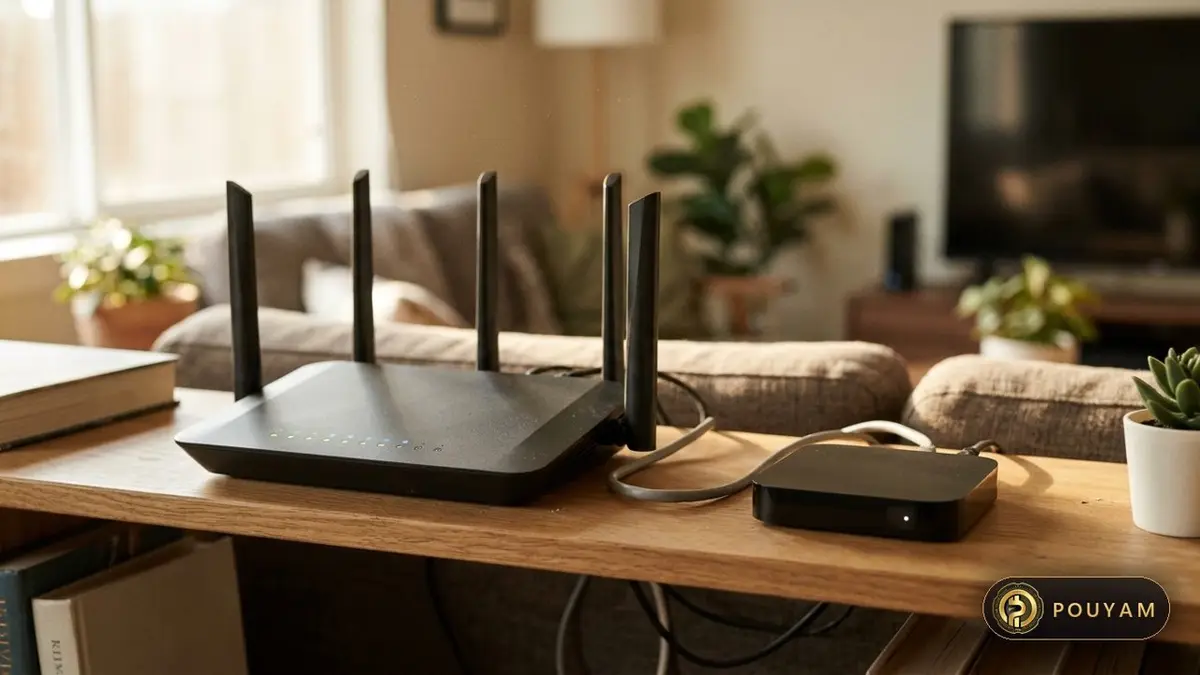
- Disconnect it. The FBI suggests disconnecting suspicious devices from your network [5].
- Do not rely on a reset. TrendAI says owners cannot remove the implant themselves, because it runs as a system app signed with the manufacturer's key [3]. Google says the backdoor reinstalls itself from the firmware partition after a reboot [1]. Because the malware sits in the firmware, a factory reset that restores that firmware would leave it in place.
- Expect to replace it. TrendAI says cleanup needs vendor action, platform protection or replacing the device. The takedown cut off the operator, but the implant stays on each box [3]. KrebsOnSecurity's earlier Kimwolf advice was simply to remove matching unofficial boxes from your network [10].
- Isolate what stays. Putting guests and untrusted devices on a guest Wi-Fi network usually stops them reaching other devices on your home network [10].
- Secure your accounts. Google saw operators collecting account information from infected devices [1]. Google's malware help page also recommends running the Google Account security checkup and fixing any issues it finds [9].
- Report it. In the United States, the FBI asks victims of an intrusion to file a report with its Internet Crime Complaint Center (IC3) [5].
On phones, Google's steps are to turn on Play Protect, install system and security updates, uninstall apps you do not need, do not trust or did not get from Google Play, and review account security. If signs persist, Google suggests a reset or contacting the manufacturer [9].
How do you avoid buying an infected device?
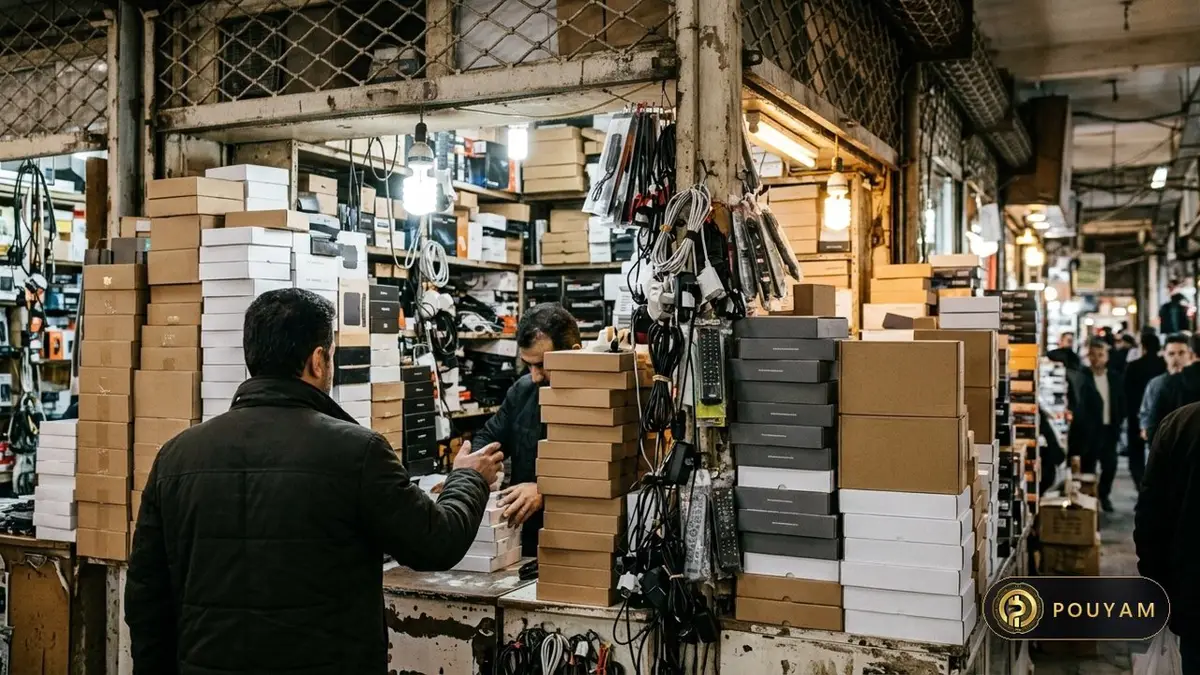
Google advises consumers to buy connected devices such as set-top boxes only from reputable manufacturers [1]. Its report points readers to Android's list of certified partners [1][11].
- Avoid "free TV" boxes. The FBI flags generic devices advertised as unlocked or offering free content [5]. KrebsOnSecurity has reported that such boxes win customers mainly through social-media influencers who promote access to pirated pay-TV services [2].
- Be wary of "earn money from your bandwidth" apps. Google says apps that pay you for "unused bandwidth" or for sharing your internet are a main way illicit proxy networks grow [1].
- Stick to trusted app stores. Google urges users to stick to trusted stores, review the permissions of third-party VPN and proxy apps, and keep Play Protect active [1]. The FBI also advises against apps from unofficial marketplaces that promise free streaming [5].
- Keep everything updated. The FBI recommends keeping operating systems, software and firmware up to date [5].
The trade-off is real. Certified, name-brand devices usually cost more and do not offer pirated channels. But TrendAI and Google show that some cheap boxes come with a hidden cost: your internet connection is resold to strangers, and the device can be used for fraud [1][3].
Is the danger over after the takedown?
Not entirely. Google says it expects the disruption to have a significant effect, but that this is not the end of its work [1]. Backdoor operators, ad-fraud rings and residential proxy providers form an interconnected supply chain, so lasting disruption needs continued action against their infrastructure [1].
Devices already sold also remain a problem. With the control servers down, an infected box loses its instructions. TrendAI notes, though, that the implant remains on each device [3]. If new control servers appeared, those devices could in principle be reached again. That is an inference from the persistence Google describes [1], not a reported event.
Google says it has changed its review process for device makers [1]. Its report also calls on retailers to require independent security audits from manufacturers and to delist those implicated in supply-chain abuse [1].
| Measure | Figure | Source note |
|---|---|---|
| Set-top boxes enrolled in the XCPE botnet | More than 1.3 million [1] | Joint figure from Google and partners [3] |
| Additional devices whose access the takedown should sever | At least 10 million [1] | Google estimate covering affiliates' other channels [1] |
| Infected devices in TrendAI telemetry | 1,472,554 across 206 models [3] | 3 June to 1 October 2026; lower bound [3] |
| Distinct residential exit IP addresses | 3,849,226 [3] | Same period [3] |
| Countries with infected devices | More than 170 [3] | Largest: Malaysia, Brazil, Iraq, Mexico, Taiwan [3] |
| Devices reached by silent install commands | More than 187,000 [3] | Based on download counts [3] |
Common mistakes
Assuming a factory reset removes the malware
Fix: The backdoor sits in the firmware and reinstalls from the /oem/ partition after a reboot [1]. TrendAI says owners cannot remove it themselves [3]. Disconnect or replace the device.
Turning off Play Protect because an app store asks you to
Fix: The FBI lists requests to disable Play Protect as a warning sign [5]. Keep it on; on Android TV, check Play Store, then Menu, then Play Protect, then Settings [8].
Treating a model-name match as proof of infection
Fix: Synthient warns that a model name alone is not enough to confirm compromise [4]. Combine it with the certification check [7] and the FBI's other signs [5].
Thinking certification makes a device completely safe
Fix: Google says Videostrong exploited a gap in its tests by loading code after first boot [1]. Prefer reputable makers [1] and keep devices updated [5].
Installing apps that pay for unused bandwidth
Fix: Google says these apps are a main route for illicit proxy networks to grow [1]. Uninstall them and review the permissions of VPN and proxy apps [1].
Frequently asked questions
What is the XCPE botnet?
XCPE is a backdoor preloaded in the firmware of Android set-top boxes. It enrolled more than 1.3 million devices into a botnet used for residential proxies, ad fraud and loading more malware [1]. Google attributes it to Videostrong Technology Co. [1].
Is my Android TV box infected?
You usually cannot tell from the screen, because infected boxes looked normal [3]. Check Play Protect certification in the Play Store under Settings, then About [7], and compare against the FBI's warning signs [5].
Can I remove the malware from an infected box?
Not by yourself, according to TrendAI, because it runs as a system app signed with the maker's key [3]. Google says it reinstalls itself after a reboot [1]. Replacing the device is the practical option [3].
Are Android phones affected by XCPE?
Google says most infected devices were TV boxes, with others including telehealth devices, karaoke machines and digital signage [1]; it does not list phones. For phones, follow Google's general malware steps [9].
Glossary
- Botnet
- A network of internet-connected devices controlled remotely by criminals without the owners' knowledge [5].
- Backdoor
- Hidden software that gives someone remote access to a device; XCPE's backdoor runs with system privileges [1].
- Residential proxy
- A service that routes other people's internet traffic through home connections so it appears to come from ordinary households [2].
- Play Protect certified
- Google's status for Android devices that have passed Android compatibility testing and include Google apps under licence [7].
- Firmware
- The built-in system software of a device; XCPE is preloaded in the firmware partition [1].
- Command and control (C2)
- The servers criminals use to send instructions to infected devices; the takedown targeted these domains [1].
Sources
- Shutting the Door on the XCPE Botnet Google Threat Intelligence Group (Google Cloud Blog) · 2026-11-02
- Tech Firms Dismantle Botnet That Turned 1.3M TV Boxes Into Proxies KrebsOnSecurity · 2026-11-02
- TrendAI Research helps disrupt Android TV botnet of more than 1.3 million pre-infected devices TrendAI Research · 2026-11-02
- The Internals of a Badbox Operation: research device specifications and backdoored device models Synthient (public research repository on GitHub)
- Home Internet Connected Devices Facilitate Criminal Activity (Alert I-060525-PSA) FBI Internet Crime Complaint Center (IC3) · 2025-06-05
- Google takes legal action against BadBox 2.0 botnet Google · 2025-07-17
- Check and fix Play Protect certification status Google Play Help
- Protect your TV from harmful apps with Google Play Protect Android TV Help (Google)
- Remove malware or unsafe software (Android phone and tablet) Google Account Help
- The Kimwolf Botnet is Stalking Your Local Network KrebsOnSecurity · 2026-01-02
- Android Certified: Partners Android (Google)



Comments
Top comments