
Alerta Severo on Your Phone: Brazil's Flood Alerts Explained
- 4 views
- 0 likes
- 0 comments
- All languages combined
 +58
Sign in and earn +58 points by reading this
Read to the end, wait a few seconds, then tap the claim button below.
In short
On 24 November 2026 civil defence agencies in Rio Grande do Sul and São Paulo sent Alerta Severo flood warnings to phones by cell broadcast [2][4]. The alerts need no sign-up and reach compatible 4G or 5G phones in the risk area [1]. Severe alerts beep; extreme ones sound like a siren even on silent [1].
Key takeaways
- Severe cell broadcast alerts hit Garruchos, Soledade and Cruz Alta in Rio Grande do Sul on 24 November 2026 [2][3].
- São Paulo state sent 178 risk messages from 21 November, partly by cell broadcast [4].
- Defesa Civil Alerta needs no registration and is free; requests for payment are a scam sign [1].
- Alerta Severo beeps like an SMS; Alerta Extremo plays a siren even on silent [1][7].
- Phones must be on 4G or 5G: Wi-Fi only, airplane mode or no signal means no alert [1].
- SMS alerts remain available by sending your CEP to 40199 [9].
On this page 12 sections
- Why did phones in Brazil show an Alerta Severo on 24 November 2026?
- What is Defesa Civil Alerta and how does it reach your phone?
- What is the difference between Alerta Severo and Alerta Extremo?
- Why did my phone not receive the alert?
- What should you do when an Alerta Severo appears?
- How do you sign up for SMS flood alerts with 40199?
- Can you turn the alerts off, and how do you spot a fake one?
- Will there be more alerts this week?
- Common mistakes
- Frequently asked questions
- Glossary
- Sources
Why did phones in Brazil show an Alerta Severo on 24 November 2026?
On Tuesday 24 November 2026 civil defence agencies in southern and south-eastern Brazil sent severe flood warnings straight to mobile phones, as heavy storms crossed Rio Grande do Sul and São Paulo [2][3][4]. The pop-up messages, labelled as severe alerts, told people near rising streams to stay away from flood-prone areas.
In Rio Grande do Sul, the state civil defence (Defesa Civil do RS) published a severe cell broadcast alert at 07:30 local time for heavy rain near Garruchos, valid until 09:15, with a "very high" risk of flooding and overflowing streams [2]. G1 reported similar severe alerts the same morning for Soledade, valid until 10:30, and Cruz Alta, valid until 11:30 [3].
The national weather service Inmet kept three storm warnings in force across the state for the whole day. The most serious level, "great danger", covered parts of the Serra, North, North-East and North-West regions, with more than 60 millimetres of rain per hour or 100 millimetres per day, winds above 100 km/h and hail possible [3].
São Paulo was also on alert. The São Paulo state government said its civil defence had sent 178 risk messages to residents since Saturday 21 November, including 23 by cell broadcast on Sunday and 34 on Monday [4]. In the city of São Paulo, the municipal emergency centre CGE put every region on flood attention at 16:20 on 24 November [5]. The same day, "alerta severo de alagamentos" was among the most-searched terms in Brazil.
What is Defesa Civil Alerta and how does it reach your phone?
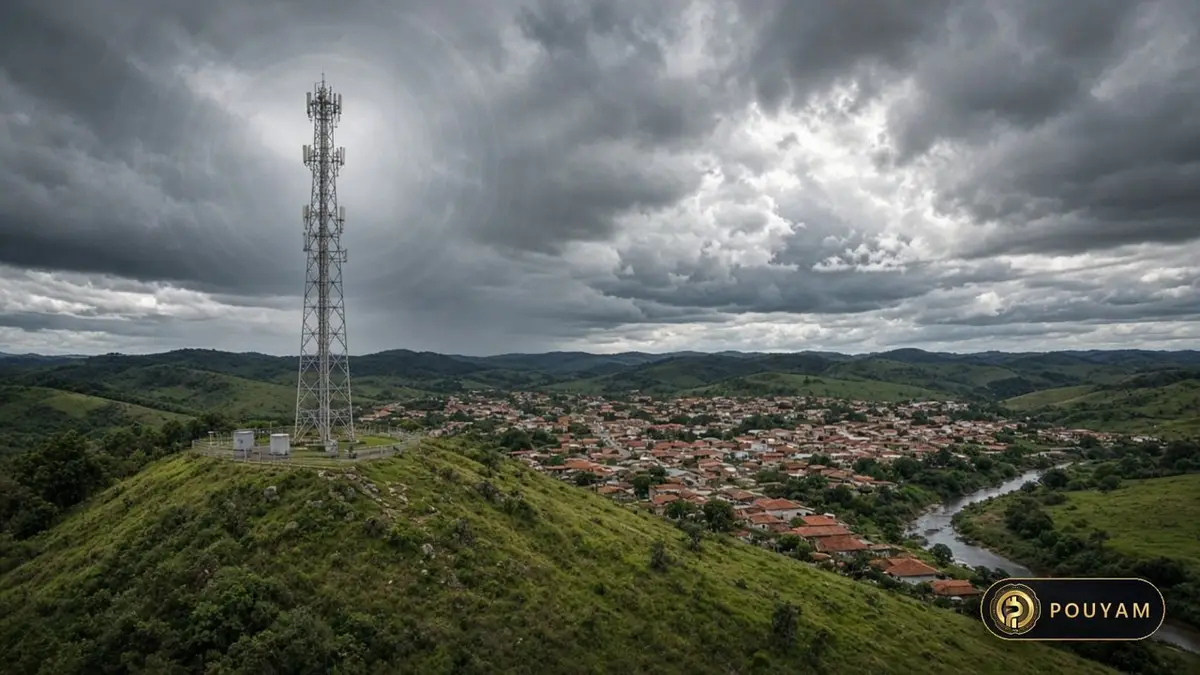
Defesa Civil Alerta is Brazil's official system for sending emergency warnings to every compatible phone inside a risk area, using a mobile network technology called cell broadcast [1][6]. Brazil's telecoms regulator Anatel ordered mobile operators to build it in October 2022 [6][7].
Cell broadcast works differently from a normal text message. Instead of sending one SMS to each subscriber, the network broadcasts a single message from the cell towers that cover the danger zone, so every compatible phone connected to those towers receives it at roughly the same time [1]. The message appears on top of whatever is on the screen, whether a video, a game or a call, and the window only closes when the user dismisses it [1].
No registration is needed. Anatel says there is nothing to sign up for and no postcode to enter: alerts go to all compatible phones in the area mapped as at risk by civil defence [1]. The service is free, and Anatel warns that anyone asking for payment in the name of an operator or agency to receive alerts may be attempting a scam [1].
Brazil's Ministry of Integration and Regional Development (MIDR) says the tool is available across the whole country and can be triggered by state and municipal civil defence agencies [8]. The content of each message and the moment it is sent are decided by those agencies, not by the phone company [1][7].
What is the difference between Alerta Severo and Alerta Extremo?
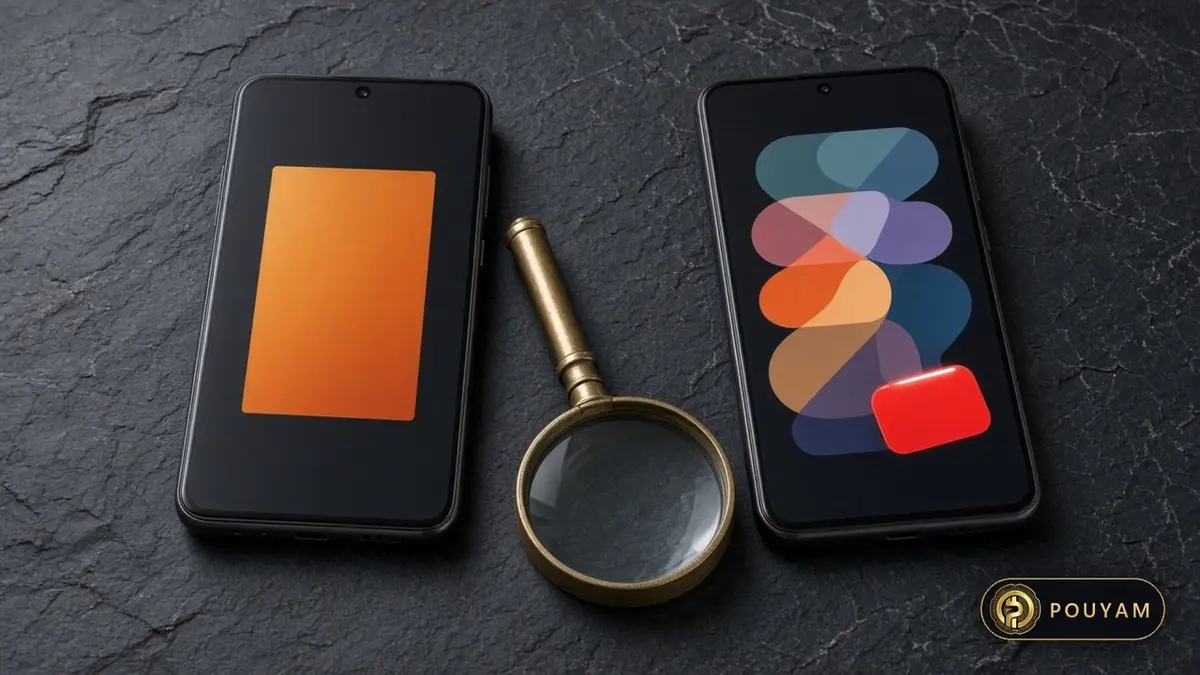
Brazil uses two levels of phone alert: extreme (extremo) for immediate threats to life, and severe (severo) when there is a little more time to act [1][7]. The level changes how loudly your phone reacts.
According to MIDR, an extreme alert is the highest level, with very high severity, an observed or likely threat and immediate urgency [7]. A severe alert has "expected" urgency, which gives people more time to follow the self-protection advice in the message [7].
- Alerta Extremo: the phone plays a siren-like sound and vibrates, even if it is on silent mode [1][8].
- Alerta Severo: the phone plays a short beep similar to a text message, and that beep does not sound when the phone is on silent [1][7].
- Demonstration alerts: during roll-out, test messages may be sent so people learn what the new alerts look like [1][7].
In both cases the text appears on screen and states the hazard, the area, how long the alert is valid and what to do [2][8]. The CENAD director Armin Braun summed it up in a ministry podcast: the message describes the action people need to take, so they can decide how to protect their lives [8].
Why did my phone not receive the alert?
The most common reasons are that the phone was not on a 4G or 5G mobile network at the time, or that it is an older or incompatible model [1]. Anatel lists several situations in which no alert arrives.
- The phone is in airplane mode [1].
- The phone is connected only to Wi-Fi, with no mobile network [1].
- There is no mobile signal where you are [1].
- The phone does not support the technology. Anatel says most models launched from 2020 onwards are compatible, technically devices rated Category 4 or higher under the 3GPP standard that support 4G or 5G on Android or iOS [1].
- You were outside the area that civil defence mapped as at risk. Only phones inside the target zone receive the broadcast [1].
Alerts are switched on by default on compatible phones [1]. Anatel gives the menu paths: on Android, Settings, then Safety and emergency, then Wireless emergency alerts; on iPhone, Settings, then Notifications, then Government Alerts [1]. Menu names can differ slightly between brands, and Google's Android help pages also place the option under Notifications on some models [10].
A missed alert is not proof that you are safe. If neighbours received a warning and you did not, treat it as if it applied to you and check official channels [1][2].
What should you do when an Alerta Severo appears?
Read the whole message, note the area and the time it is valid, and follow the action it gives; for floods that usually means moving away from low ground and streams [2][3]. The Rio Grande do Sul alerts of 24 November told people to keep safe and avoid flood-prone areas [2].
Civil defence in Rio Grande do Sul added practical advice for storms [2][3]:
- Stay sheltered while the storm passes [2].
- Unplug electrical and electronic devices [2][3].
- Keep doors and windows firmly closed [2].
- Bring pets and other domestic animals under shelter [2].
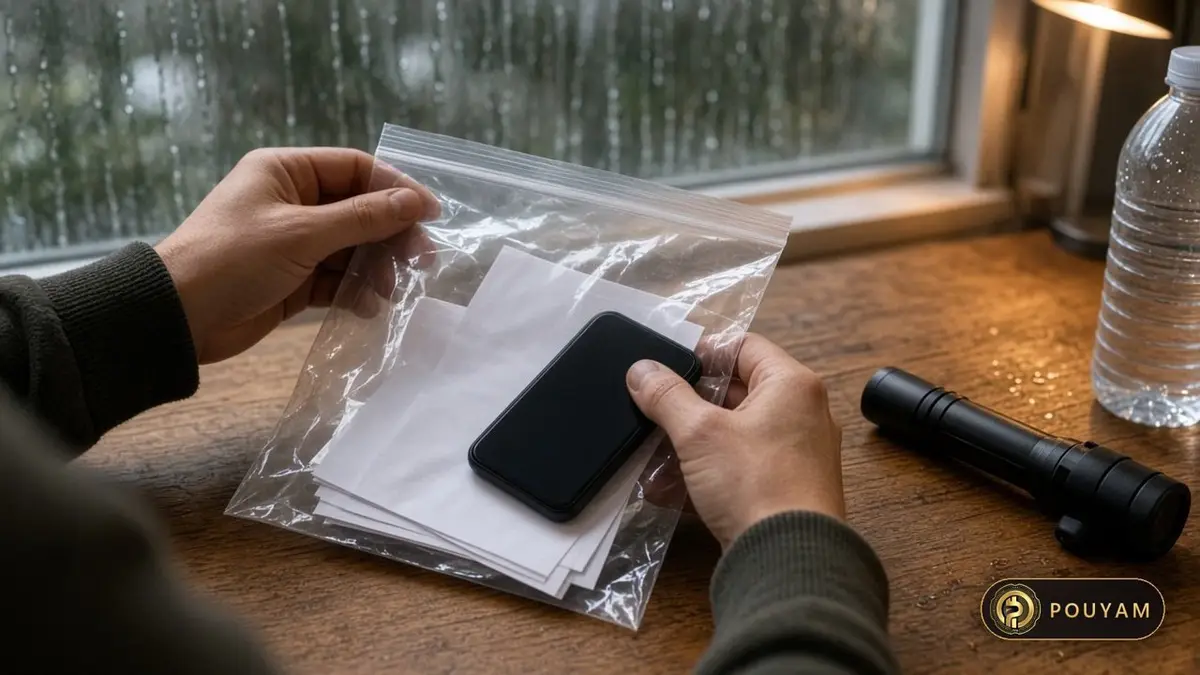
- In a flash flood, put documents and valuables in plastic bags [3].
- Do not try to cross flooded streets on foot or by car [5].
For emergencies in Rio Grande do Sul, the alerts point to the Brigada Militar on 190 and the fire brigade on 193 [2][3]. Civil defence itself answers on 199 in many places, as São Paulo's emergency guidance also shows [5].
If you have relatives who are older, live alone or do not read Portuguese well, call them and explain the message. For now the alerts are sent only in Portuguese; Anatel says Spanish and English versions are planned according to the phone's language [1].
How do you sign up for SMS flood alerts with 40199?
Besides the automatic pop-ups, Brazil still runs a free SMS alert service: send your postcode (CEP) by text message to 40199 [9]. It has operated since 2017, and Anatel says 13.8 million users had registered a CEP [9].
The two systems complement each other. Cell broadcast reaches whoever is physically in the risk zone at that moment, while SMS reaches the postcodes you choose, even when you are travelling [1][9]. That makes SMS useful for following the area where your family lives or your home while you are away.
- Open a new text message on your phone [9].
- Type the eight-digit CEP of the address you want to follow, with or without the hyphen [9].
- Send it to 40199 [9].
- Repeat with one CEP per message if you want to follow more than one address [9].
Anatel lists Claro, Vivo, Tim, Sercomtel and Algar as the participating operators [9]. Civil defence also distributes warnings through pay TV, WhatsApp, Telegram and Google Public Alerts, so the phone pop-up is one channel among several [1][7].
Can you turn the alerts off, and how do you spot a fake one?
On many phones you can switch off some alert categories, but doing so means you may miss a warning about a flood or landslide heading your way [1][10]. Anatel's advice is that the service is on by default and needs no action [1].
If the beep is a problem at night, a better option is to leave alerts on and check the phone's sound settings instead. Severe alerts do not sound on silent, while extreme ones always do [1].
Real cell broadcast alerts have clear traits: they appear as a full pop-up from the system, not as a chat message or a website, and they never ask you to pay, tap a link to "activate" the service or share personal data [1]. Anatel says the service is free and that any request for money in the name of an operator or institution may be a scam [1].
- Ignore messages that ask for a fee to "receive Defesa Civil alerts" [1].
- Do not install apps that promise "faster" official alerts from unknown sources.
- Check doubtful warnings on the state civil defence website or the city's official channels [2][5].
For more on fake warnings that copy system pop-ups, read Phone Virus Removal on Android and iPhone: Spot Fake Alerts.
Will there be more alerts this week?
Probably: as of 23:10 Istanbul time on 24 November 2026 (17:10 in Brasília), São Paulo's civil defence was warning of persistent moderate to heavy rain on Wednesday 25 and Thursday 26 November, mainly in the east of the state [4]. It flagged the coast and the Serra da Mantiqueira for the largest totals, with risk of landslides, floods and flash floods on already soaked ground [4].
Rain in the state over the weekend had already caused flooding in several towns, according to the state government, which listed 120 mm in Jaú and 110 mm in Itapetininga among the highest totals [4]. In Rio Grande do Sul, Inmet's three warnings applied for the whole of 24 November [3].
Weather alerts change quickly, so the figures here are a snapshot. Follow Inmet, your state civil defence and city emergency centre for updates, and keep the phone on a mobile network during storms. For a comparison with how another country grades its warnings, see Storm in Germany: DWD Warning Levels and What to Do Now.
| Feature | Alerta Severo | Alerta Extremo |
|---|---|---|
| Urgency | Expected, more time to act | Immediate |
| Sound | Short beep like a text message | Siren-like alarm |
| On silent mode | No sound, message still shows | Sounds anyway |
| Registration needed | No | No |
| Cost | Free | Free |
| Who sends it | State or city civil defence | State or city civil defence |
| Place | What was sent | Valid until |
|---|---|---|
| Garruchos (RS) | Severe cell broadcast alert, very high flood risk | 09:15 |
| Soledade (RS) | Severe cell broadcast alert, very high flood risk | 10:30 |
| Cruz Alta (RS) | Severe cell broadcast alert, very high flood risk | 11:30 |
| São Paulo state | 178 risk messages since 21 November, part by cell broadcast | Ongoing |
| São Paulo city | Flood attention in all regions from 16:20 | Ongoing |
Common mistakes
Thinking you must register to get the pop-up alerts.
Fix: Cell broadcast reaches compatible phones in the risk area automatically; only the SMS service uses your CEP [1][9].
Assuming no alert means no danger.
Fix: Phones on Wi-Fi only, in airplane mode or without signal miss alerts; check official channels [1].
Paying a fee or tapping a link to activate alerts.
Fix: The service is free; payment requests in its name may be scams [1].
Switching alerts off because of one night-time beep.
Fix: Severe alerts do not sound on silent, so adjust sound settings rather than disabling warnings [1].
Driving or walking through a flooded street after an alert.
Fix: Avoid flooded roads and low ground and follow the message's instructions [2][5].
Frequently asked questions
What does Alerta Severo mean on my phone?
It is an official civil defence warning sent by cell broadcast when people in an area need to take protective measures, with slightly more time than an extreme alert [1][7].
Is the alert real or a virus?
A genuine alert is a system pop-up that asks for no money, link or data. Anatel says requests for payment in its name may be scams [1].
Why did my friend get the alert and I did not?
You may have been on Wi-Fi only, in airplane mode, without signal, outside the target area or using an incompatible phone [1].
Do I need to sign up?
No. Cell broadcast alerts need no registration. To get SMS alerts for a chosen address, text the CEP to 40199 [1][9].
Will the alert sound if my phone is on silent?
An extreme alert sounds like a siren even on silent; a severe alert only beeps when sound is on [1].
Glossary
- Cell broadcast
- A network technology that sends one message to every compatible phone connected to the towers in a chosen area [1].
- Defesa Civil Alerta
- Brazil's official phone alert system, ordered by Anatel in 2022 and run by civil defence agencies [6][7].
- Alerta Severo
- Phone alert level with expected urgency; plays a beep that does not sound on silent [1][7].
- Alerta Extremo
- Highest phone alert level for immediate threats; plays a siren even on silent [1][7].
- Inmet
- Brazil's National Institute of Meteorology, which issues colour-coded weather warnings [3].
- 40199
- The number to which you text a CEP to receive civil defence SMS alerts for that address [9].
Sources
- Perguntas e Respostas: Defesa Civil Alerta Anatel · 2024-07-31
- Defesa Civil alerta SEVERO/CELL BROADCAST para chuva volumosa nas proximidades de Garruchos Defesa Civil do Rio Grande do Sul · 2026-11-24
- Defesa Civil emite alerta severo para risco de alagamentos e cheias no RS g1 RS · 2026-11-24
- Defesa Civil alerta para chuva forte no litoral paulista entre quarta e quinta-feira Government of São Paulo State (Agência SP) · 2026-11-24
- Cidade de São Paulo entra em estado de atenção para alagamentos em todas as regiões g1 SP · 2026-11-24
- Defesa Civil Alerta Anatel
- Mas o que é Defesa Civil Alerta? Ministry of Integration and Regional Development (MIDR) · 2026-06-30
- Desenvolve Aí explica como funcionam os avisos do Defesa Civil Alerta Ministry of Integration and Regional Development (MIDR) · 2025-10-17
- Alerta via SMS Anatel · 2024-07-31
- Get emergency help and alerts on your Android phone Google Android Help


Comments
Top comments