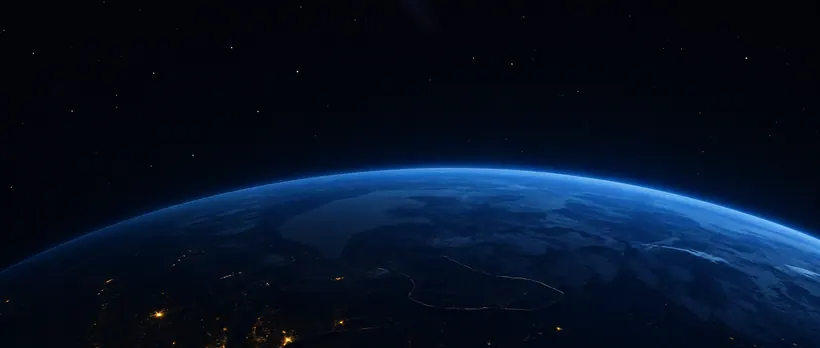
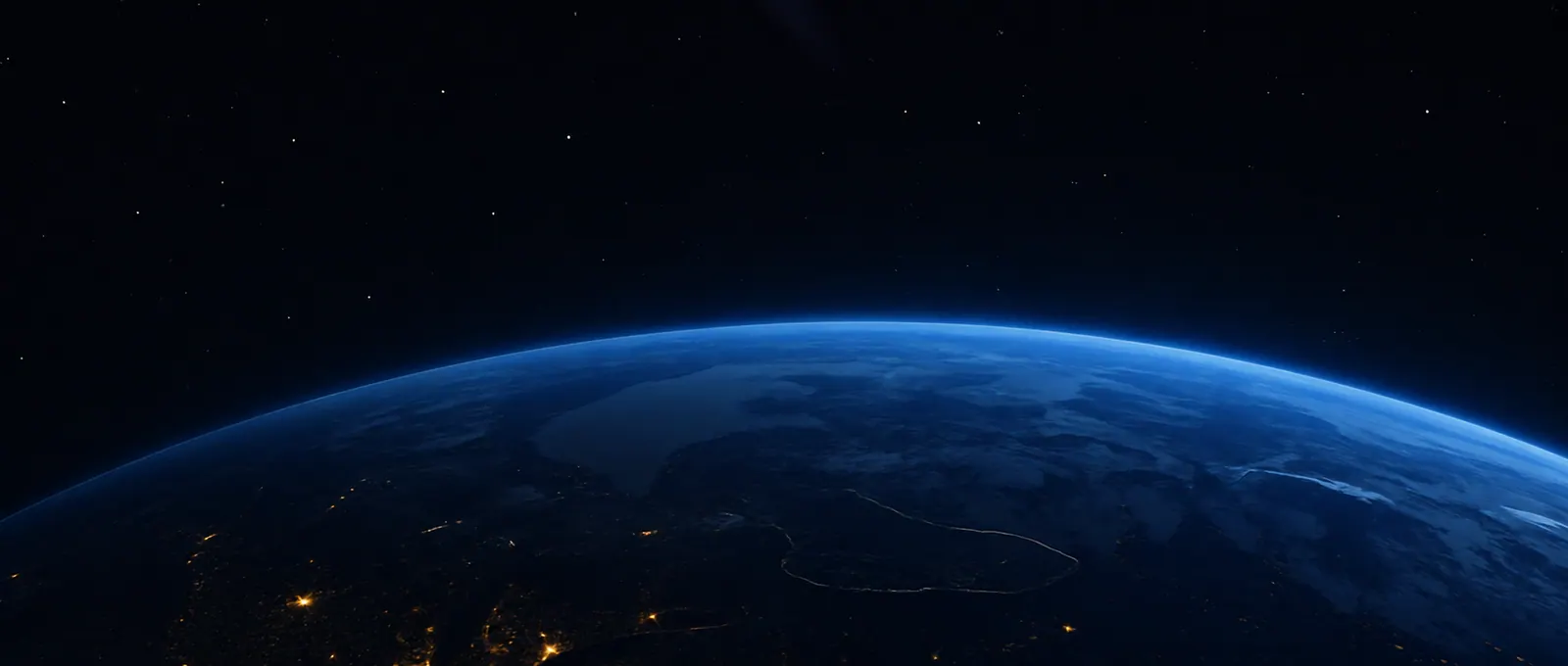


📸 World Population Day; humanity’s move toward a turning point
Based on estimates by the Population Reference Bureau (PRB) in Washington since the emergence of modern humans about 50,000 years ago, roughly 117 billion people have lived on Earth.
Today, about 8.3 billion people live on the planet, and this number is growing. However, humanity is moving toward a turning point: according to current United Nations projections, in the mid-2080s the world’s population will reach its peak—about 10.3 billion people.
According to a report by the Federal Institute for Population Research in Germany, the average number of children per woman has fallen from around 4 in the mid-1970s to about 2.2 children. Despite this, the world population continues to grow because the large cohorts are now reaching ages when they have children. Ongoing increases in life expectancy also influence this trend. But when the number of potential mothers falls due to lower fertility rates, the number of births will decrease in the medium term.
According to experts, the Earth’s carrying capacity depends not only on population size, but also on the way production is carried out and the consumption pattern.
نظرها
نظرهای برتر