




How Do Search Engines Rank Pages? A Practical SEO Guide
 +50
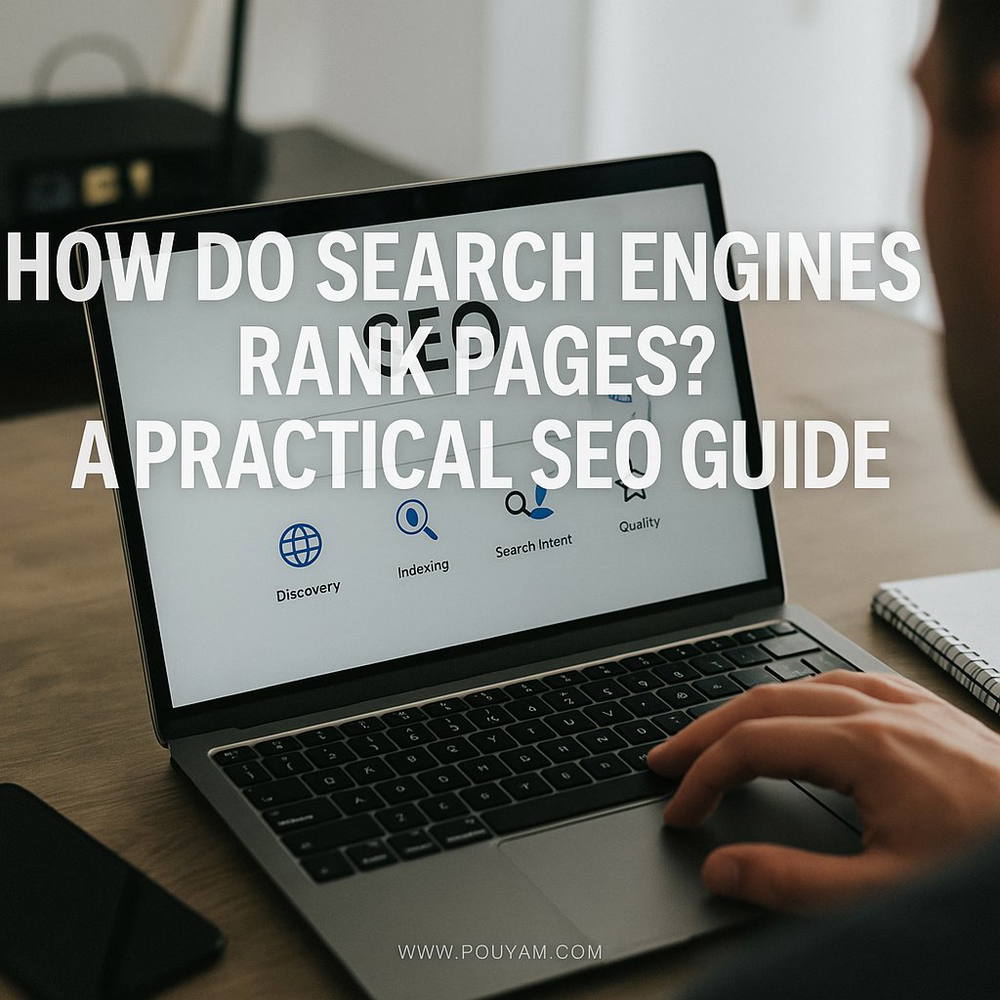
+50 This practical guide shows you that ranking is not just a “trick”; it’s a process of discovery, indexing, understanding search intent, and assessing quality. With a repeatable checklist, improve your next content for both humans and search engines at the same time.
When you search for something on Google or any other search engine, there is a “multi-step process” behind ranking: first, pages must be discovered and indexed, then the search engine decides which page is more relevant and useful for the user’s need, and finally it determines the display order by combining quality and compatibility signals.
Two key concepts that are usually overlooked are “Search Intent” and “content structure.” Search intent means what kind of results someone is looking for when they type a specific phrase: education, comparisons, step-by-step solutions, or a quick answer. Content that covers that exact goal and presents it in the right format has a better chance of being seen.
From a high-level view, a search engine considers three categories of signals: 1) Relevance between the page topic and the search query, 2) Quality and credibility signals like the depth of the response, comprehensive coverage, user experience, and trust indicators, and 3) Indexing accessibility such as whether the page is actually crawlable and understandable. That’s why “hacks” are usually not stable; because the search engine’s focus is on providing a better result for humans.
To make your pages both discoverable and clear to people, do a few practical things: write accurate and descriptive titles and headings, move the topic from general to specific, answer related questions, and use short paragraphs and lists for quick scanning. Also make sure the most important parts (like definitions, steps, and a conclusion) are not hidden too late on the page.
A simple checklist for any new content or site review: - Have I specified the user’s intent? (training/guide/comparison/answer) - Does the title, headings, and first paragraph make the topic clear exactly? - Is the content complete and does it cover the main questions without extra side topics? - Is the page structured in a readable way? (headings, lists, short paragraphs) - Have I avoided confusing terms or filling the text with content that has no value? - Is the page logically organized and can search crawlers index it?
If you repeat these items every time, instead of trying to “chase ranking tricks,” you focus on things that are useful for users and understandable for search engines.
Comments
Top comments