



Europa Clipper Flyby Data Reveals Surprising Moon Surface Variations
Read the full article for context, quotes, and updates from the team.
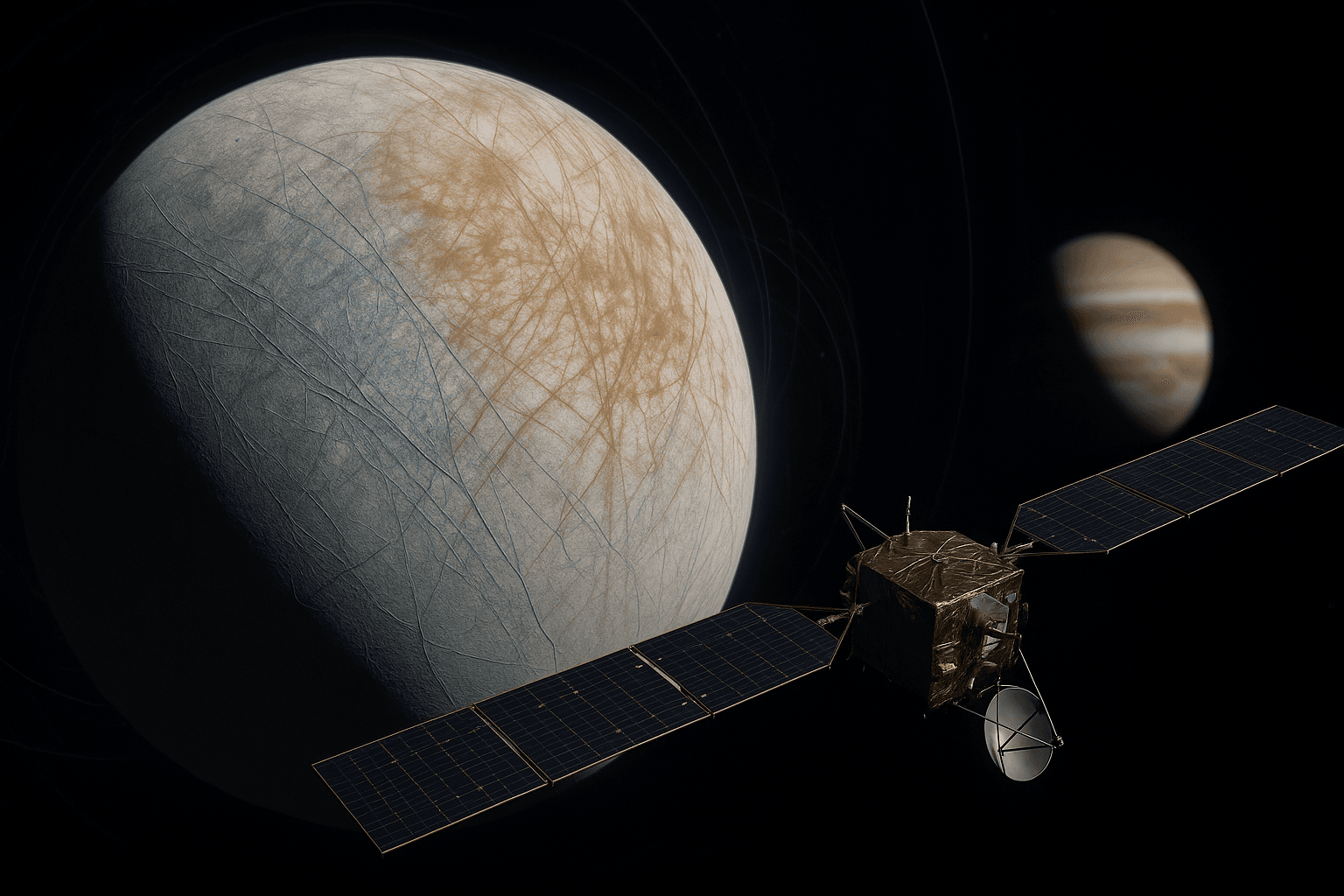
NASA’s Europa Clipper has returned its first scientific data from an Earth gravity-assist flyby, and the results are already prompting fresh questions about the icy moon Europa. According to findings published today in Nature Astronomy, the spacecraft’s observations revealed unexpected compositional variations on the Moon’s surface, suggesting that the processes shaping Europa may be more complex and active than scientists had modeled.
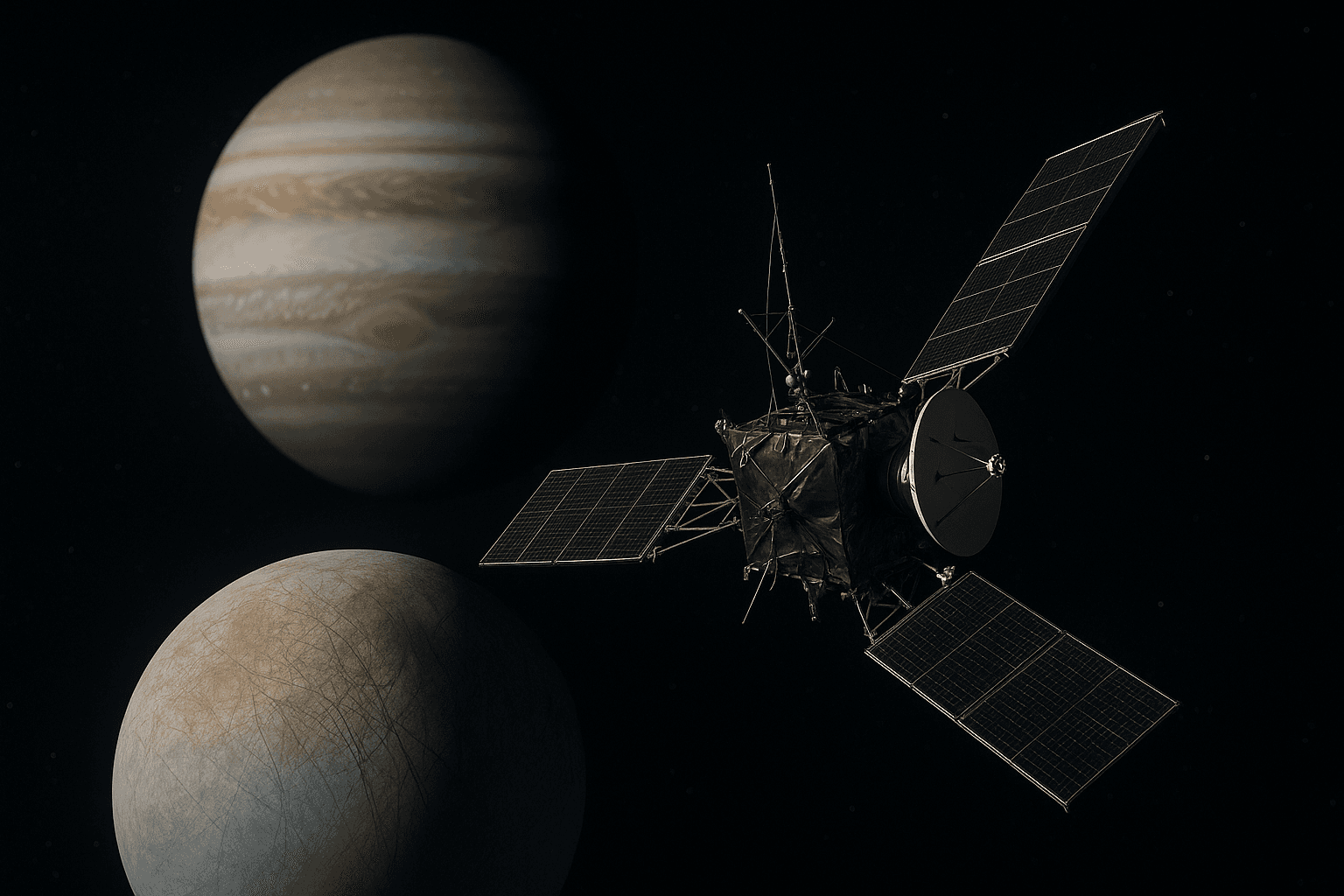
Launched in October 2024, Europa Clipper is designed to investigate whether Jupiter’s moon could support life beneath its frozen crust. The new data do not directly confirm a subsurface ocean, but they do indicate that surface materials may be interacting with the interior in ways that could affect the moon’s chemistry and habitability.
Researchers say the initial analysis is only a first step. As more data are processed and compared with laboratory models, scientists expect to refine their understanding of Europa’s geology, ice shell dynamics, and potential ocean-surface exchange. Those insights will help determine where future observations should focus and how promising Europa may be as a habitable world.
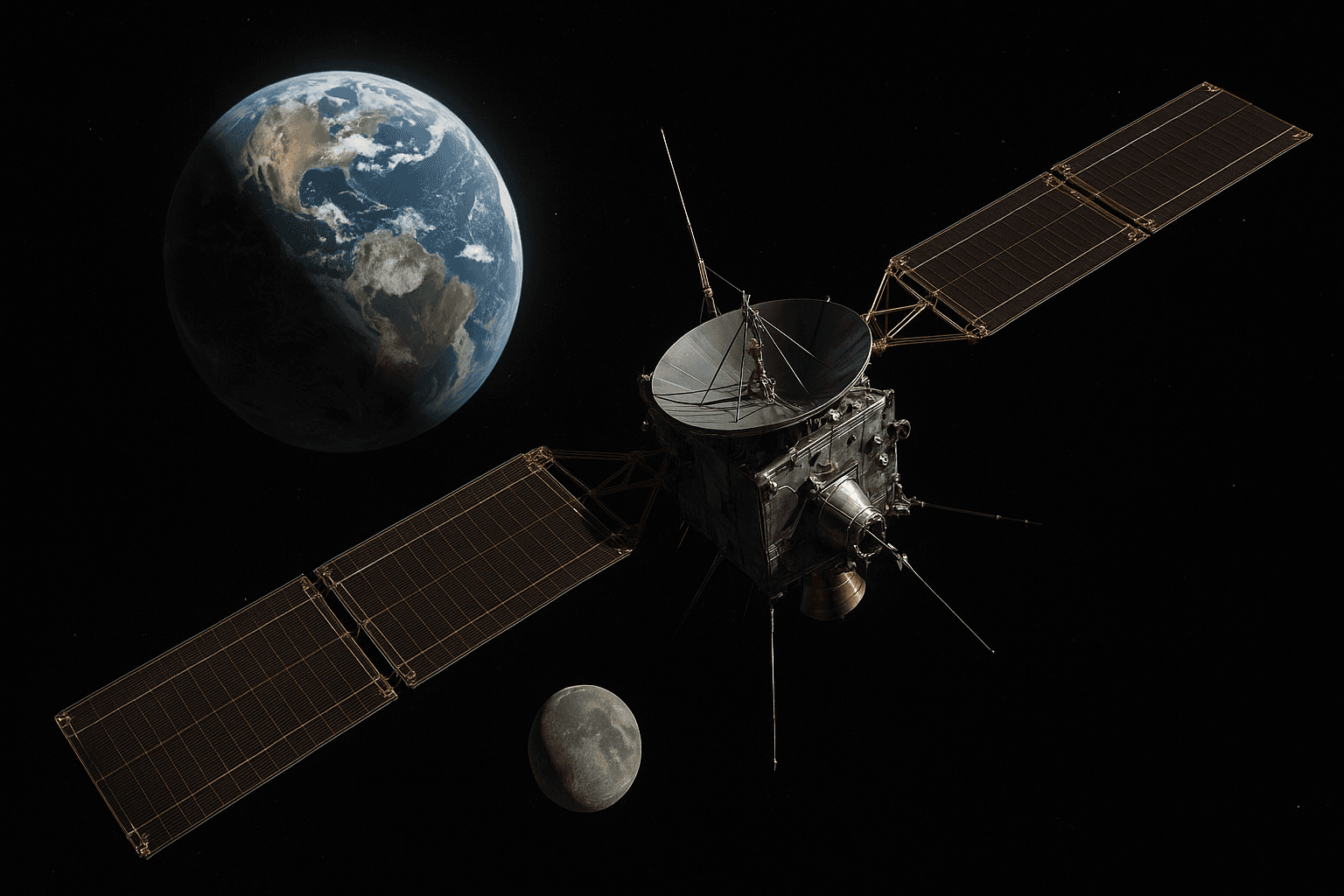
The latest flyby demonstrates the mission’s scientific value even before it reaches Jupiter, offering an early look at the instruments that will soon probe one of the solar system’s most intriguing destinations.