



The Future of Health and Wellness: How Medicine, Nutrition, Mental Health, and Technology Are Converging
 +50
+50 Health and wellness are no longer viewed as separate goals achieved through occasional doctor visits, strict diets, or short-lived fitness plans. A more connected model is emerging—one that combi...
Health and wellness are no longer viewed as separate goals achieved through occasional doctor visits, strict diets, or short-lived fitness plans. A more connected model is emerging—one that combines medical science, daily habits, emotional well-being, and digital technology.
This shift is changing how diseases are detected, how treatments are developed, and how people manage their health between clinical appointments. Instead of waiting for symptoms to become serious, healthcare is gradually moving toward prevention, early intervention, and personalized support.
Medical breakthroughs remain essential, but they are only one part of the picture. Nutrition affects inflammation and long-term disease risk. Mental health influences sleep, immunity, motivation, and physical recovery. Digital tools make it possible to monitor important health signals outside hospitals and clinics.
Together, these developments are creating a future in which healthcare becomes more proactive, accessible, and tailored to the individual.
Medical Breakthroughs Are Making Treatment More Precise
Modern medicine is moving away from treatments designed for the average patient. Researchers and clinicians increasingly recognize that two people with the same diagnosis may respond differently to the same medication or therapy.
Personalized medicine aims to account for those differences.
Personalized Treatment Based on Biology
A person’s genes, medical history, lifestyle, environment, and biological markers can all influence disease risk and treatment response. By studying this information, healthcare professionals may be able to select therapies that are more likely to work while reducing unnecessary side effects.
This approach is already shaping areas such as cancer care, rare disease treatment, and medication selection. In oncology, for example, some treatments target specific molecular changes within a tumor rather than relying only on where the cancer developed.
The broader goal is straightforward: provide the right treatment to the right person at the right time.
Gene and Cell Therapies
Gene therapies are designed to address disease at its biological source. Rather than managing symptoms indefinitely, these treatments may replace, repair, or modify genetic material associated with certain conditions.
Cell-based therapies take a related approach by using specially prepared cells to restore function or help the immune system fight disease. Some therapies train a patient’s immune cells to recognize harmful cells more effectively.
These methods are highly complex and are not appropriate for every condition. Cost, accessibility, long-term monitoring, and safety remain major challenges. Even so, they represent an important shift from ongoing symptom management toward potentially transformative treatment.
Earlier Detection Through Advanced Diagnostics
Early detection often improves treatment options, but many illnesses remain difficult to identify before symptoms appear.
Advances in medical imaging, blood testing, molecular diagnostics, and artificial intelligence are helping clinicians recognize patterns that may be missed during conventional screening. Researchers are also studying whether biological signals in blood, tissue, or other samples can reveal disease at an earlier stage.
These tools are not replacements for medical professionals. Their value lies in helping clinicians analyze information more efficiently and identify cases that deserve closer attention.
Nutrition Is Becoming More Personal
Nutrition advice has traditionally relied on broad recommendations: eat more vegetables, limit highly processed foods, reduce excess sugar, and maintain a balanced diet.
Those principles remain useful. However, people do not always respond to food in the same way.
Differences in metabolism, activity level, gut bacteria, medical conditions, sleep quality, medication use, and cultural eating patterns can influence nutritional needs.
The Rise of Personalized Nutrition
Personalized nutrition uses individual information to create more relevant dietary guidance. This information may include:
Health goals and existing conditions
Food preferences and cultural habits
Blood test results
Physical activity
Sleep patterns
Allergies and intolerances
Glucose responses
Digestive symptoms
The purpose is not to create a perfect diet. It is to build an eating pattern that is realistic, nutritionally adequate, and appropriate for the person’s needs.
A useful nutrition plan should be sustainable. A highly restrictive program may produce short-term results, but it often becomes difficult to maintain and can create anxiety around food.
Gut Health and the Microbiome
The digestive system contains a large community of microorganisms known as the gut microbiome. These organisms interact with digestion, immune activity, metabolism, and other biological processes.
Scientists are still working to understand what defines a healthy microbiome and how strongly it can be changed through diet. Although the subject is often surrounded by exaggerated marketing, the underlying research is significant.
For most people, practical habits that support digestive health include eating a varied diet with adequate fiber, consuming fruits and vegetables, staying hydrated, and avoiding unnecessary restrictions.
Fermented foods may also be useful for some individuals, although they are not universal treatments for digestive or immune conditions.
Moving Beyond Diet Culture
Wellness should not be reduced to weight loss.
Body weight can be medically relevant, but it is only one health measurement. Blood pressure, cholesterol, blood sugar, strength, mobility, sleep, emotional health, and overall dietary quality also matter.
A healthier nutrition culture focuses on nourishment, consistency, and long-term risk reduction rather than shame or unrealistic appearance standards.
Mental Health Is a Core Part of Physical Health
The separation between mental and physical healthcare has always been artificial. Stress, depression, anxiety, trauma, loneliness, and burnout can affect sleep, energy, pain, appetite, concentration, and immune function.
Physical illness can also affect mental health. A person managing chronic pain, cancer, diabetes, infertility, or cardiovascular disease may experience fear, grief, frustration, or loss of independence.
Treating one side while ignoring the other can lead to incomplete care.
Earlier Support Can Prevent Escalation
Many people seek mental health support only when their symptoms become overwhelming. Barriers may include cost, stigma, limited local services, long waiting lists, or uncertainty about where to begin.
Earlier support can make challenges easier to manage. This may involve speaking with a primary care professional, counselor, psychologist, psychiatrist, or another qualified provider.
Support does not always begin with medication or intensive therapy. Depending on the situation, it may include stress-management strategies, sleep improvement, behavioral therapy, social support, workplace changes, or structured physical activity.
Severe, persistent, or rapidly worsening symptoms require professional assessment.
The Importance of Social Connection
Health advice often emphasizes individual discipline, but wellness is strongly influenced by relationships and community.
Meaningful social connection can provide emotional support, practical help, accountability, and a sense of belonging. Isolation, by contrast, can make stress and illness more difficult to manage.
Supporting mental health may therefore involve more than personal coping techniques. It can also mean improving family communication, building friendships, joining community groups, or creating healthier workplace cultures.
Mental Health Technology
Digital therapy platforms, telehealth appointments, guided meditation applications, mood trackers, and online support programs have expanded access to mental health resources.
These tools can be helpful, particularly for people who face geographical or scheduling barriers. However, quality varies widely. Privacy practices, clinical oversight, evidence standards, and emergency support should be considered before relying on a platform.
Technology can extend care, but it should not be treated as a complete substitute for professional help when serious symptoms are present.
Digital Health Is Moving Care Beyond the Clinic
Healthcare traditionally depends on brief snapshots: a blood pressure reading during an appointment, a conversation about sleep, or a test performed once every few months.
Digital health tools can provide a more continuous picture.
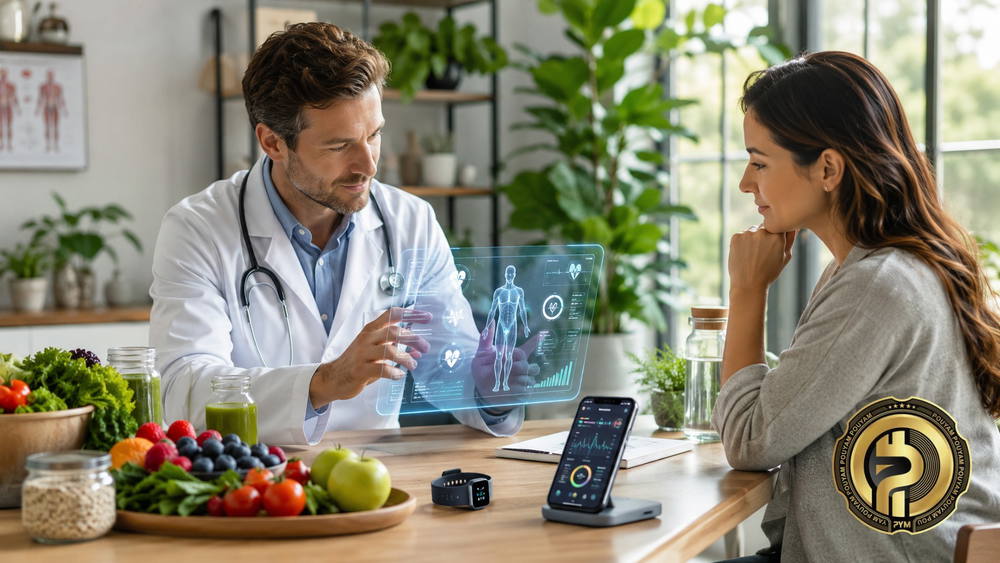
Wearable devices, remote monitoring systems, mobile applications, and connected medical equipment can collect information while people go about their daily lives. This can help patients and clinicians identify trends that may not be visible during a single appointment.
Wearables and Everyday Health Data
Smartwatches and fitness trackers can monitor measurements such as:
Heart rate
Physical activity
Sleep duration
Blood oxygen estimates
Exercise intensity
Irregular rhythm notifications
Recovery patterns
These measurements can encourage healthier habits and reveal useful patterns. Someone may notice, for example, that poor sleep is connected to late caffeine use, inconsistent routines, or high evening stress.
However, consumer devices are not always medical-grade tools. They can produce inaccurate readings, false alarms, or confusing data. A device notification should be interpreted carefully and discussed with a healthcare professional when appropriate.
Remote Patient Monitoring
Remote monitoring can be especially valuable for people managing chronic conditions.
Connected devices may allow patients to share blood pressure, blood glucose, heart rate, oxygen levels, or other measurements with a healthcare team. This can help clinicians detect deterioration earlier and adjust treatment without requiring every interaction to take place in person.
For patients with limited mobility or those living far from medical facilities, remote monitoring may reduce unnecessary travel and improve continuity of care.
Its success depends on reliable technology, clear clinical responsibility, patient education, and equal access to digital services.
Artificial Intelligence in Healthcare
Artificial intelligence can help analyze medical images, organize clinical records, identify risk patterns, support drug research, and reduce repetitive administrative work.
Its strongest role is likely to be supportive rather than independent. Healthcare decisions involve context, uncertainty, ethics, communication, and human judgment—areas that cannot be reduced to pattern recognition alone.
AI systems can also reflect weaknesses in the data used to train them. Poor-quality or unrepresentative data may lead to inaccurate recommendations for certain populations.
Responsible use requires transparency, privacy protections, ongoing evaluation, and qualified human oversight.
Preventive Care Is Becoming More Important
Many health problems develop gradually. High blood pressure, metabolic disease, reduced mobility, chronic stress, and poor sleep may worsen for years before producing a major health event.
Preventive care aims to identify risks earlier and reduce the likelihood of serious illness.
This includes recommended health screenings, vaccinations, dental care, physical activity, adequate sleep, balanced nutrition, stress management, and the responsible use of medication.
Prevention is not a guarantee against disease. Genetics, environment, income, working conditions, and access to healthcare all influence outcomes. Still, preventive habits and regular medical care can improve the chances of detecting problems before they become harder to manage.
The Foundations of Wellness Remain Simple
Health innovation can be exciting, but technology should not distract from the basic habits that consistently support well-being.
For most adults, a strong foundation includes:
Regular movement: Combine cardiovascular activity, strength training, mobility work, and less sedentary time.
Nutritious food: Build meals around minimally processed foods, adequate protein, fiber-rich carbohydrates, healthy fats, and a variety of plants.
Consistent sleep: Maintain a regular schedule and create an environment that supports sufficient rest.
Preventive healthcare: Attend appropriate checkups and screenings rather than waiting for severe symptoms.
Mental health support: Address persistent stress, anxiety, low mood, trauma, or burnout early.
Social connection: Make time for relationships and communities that provide trust and belonging.
Responsible digital use: Treat health data as useful information, not as a constant source of judgment or worry.
These habits are not dramatic, but their impact accumulates over time.
Health Equity Must Be Part of Innovation
A medical breakthrough has limited value if only a small group can access it.
Digital health platforms may improve care for people with reliable internet access, modern devices, insurance coverage, and strong health literacy. They may do far less for individuals who lack basic healthcare services or cannot afford the technology.
The future of health and wellness must therefore address affordability, disability access, language barriers, rural healthcare, data privacy, and trust.
Innovation should make healthcare more inclusive, not deepen existing gaps.
Designers and healthcare organizations need to involve diverse communities when developing new services. Tools should be tested across different ages, backgrounds, abilities, and health conditions rather than assuming that every user has the same needs.
How to Evaluate Health and Wellness Claims
The wellness industry often moves faster than reliable evidence. Products and programs may be marketed as breakthroughs before their benefits and risks are fully understood.
Consumers should be cautious when a health claim:
Promises a cure for many unrelated conditions
Guarantees fast or effortless results
Relies mainly on testimonials
Discourages consultation with medical professionals
Uses scientific language without explaining the evidence
Requires expensive long-term subscriptions or supplements
Suggests that one food, test, or device can optimize every aspect of health
Reliable healthcare rarely offers certainty. Good guidance acknowledges limitations, possible side effects, individual differences, and the need for professional evaluation.
A More Connected Future for Health
The future of wellness will not be defined by one invention, diet, medication, or application. It will come from connecting different parts of health more effectively.
Medical breakthroughs may make treatment more precise. Better nutrition research can help people build sustainable eating patterns. Mental health services can address the emotional factors that influence physical well-being. Digital tools can improve monitoring and access.
The most promising approach combines innovation with the fundamentals of good care: prevention, evidence, accessibility, human judgment, and respect for individual needs.
Health is not a project that can be completed once and forgotten. It is an ongoing relationship between the body, mind, environment, daily behavior, and healthcare system. As those areas become more connected, people may gain greater control over their well-being without losing the value of compassionate, professional care.
Comments
Top comments