



Oil reaches $100; simultaneously with an attack in the Red Sea and a fresh round of Trump tariffs
 +163
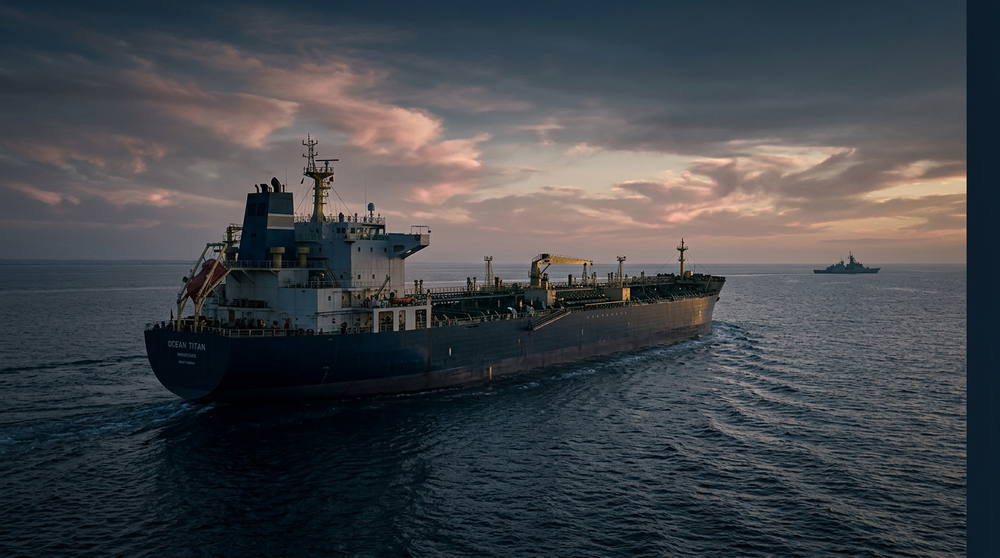
+163 نفت پس از حمله به دو نفتکش در دریای سرخ تا سطح ۱۰۰ دلار برای هر بشکه افزایش یافت. همزمان، رئیسجمهوری ترامپ اعلام شده که تعرفههای رو به پایان را با دور تازهای از تعرفهها جایگزین کرده است. این دو رخداد در کنار هم میتوانند هم ریسک اختلال در مسیرهای انرژی را تقویت کنند و هم بر هزینههای واردات و قیمت کالاها اثر بگذارند. با این حال، درباره تداوم تنش دریایی و نیز جزئیات دقیق تعرفهها عدمقطعیت وجود دارد و بازار در روزهای آینده نشانههای جدید را دنبال خواهد کرد.
Oil today rose to the level of $100 per barrel; a development linked to an attack on two oil tankers in the Red Sea and the role of “Iran’s support for the Houthis.” In the same interval, President Trump replaced “tariffs” that were nearing expiration with a set of new tariffs. Taken together—one geopolitical catalyst along energy routes and one commercial catalyst in economic policy—these two events could affect both energy costs and the prices of goods in global markets. At the same time, there is still uncertainty about the intensity and duration of the tensions, as well as the full details of the effects of the new tariffs on import and export supply chains.
What has been reported as certain
Based on the report that was published, oil reached $100 per barrel after an attack on two oil tankers in the Red Sea. Also, in the same news, it has been said that the insurgents referred to in this attack are the Houthis, and their connection to Iran is presented as an underlying factor. On the other hand, it has been stated that Trump replaced expiring tariffs with a “new round of tariffs.” This summary of the events is the main element of the lead of this report, and it is also the focus of the analysis that follows.
Context: Why the Red Sea matters for oil prices
The Red Sea is one of the key routes for transporting oil and petroleum products. When an incident occurs along this route—especially if it involves attacks on tankers—the risk of disruption to shipping increases. In such conditions, the market typically reviews insurance costs, the likelihood of ships changing course, and the timing of cargo deliveries; this review can lead to a rapid increase in prices. Therefore, the jump in prices to the level of $100 is consistent, from an economic mechanism standpoint, with a “risk-based” rationale, even if the details of the extent of damage or the ongoing nature of the attacks are still unclear.
What can the new tariffs do
In another section of the news, Trump’s move to replace expiring tariffs with new ones indicates that trade policy is entering a new phase. Tariffs can usually increase import costs and affect the price of consumer goods or raw materials. The precise impact of these changes depends on which goods the tariffs cover, which countries are targeted, and what deadlines and exemptions exist. Since the brief report only makes a general reference to a “set of new tariffs,” the final impact details cannot yet be inferred with certainty.
Global implications: the intersection of energy risk and trade tensions
When a surge in oil prices occurs alongside an escalation of tariff policy, different economies can face additional pressure: on one hand, higher energy costs can raise transportation and production costs; on the other hand, new tariffs may put pressure on the prices of imported goods or the prices of production intermediates. This intersection can, in the short term, reinforce inflation expectations and change the purchasing and stockpiling decisions of some economic actors. However, the degree and exact path of impact depends on market conditions—among them the ability to substitute shipping routes, production capacity and inventories, as well as the reaction of other governments’ fiscal and trade policies.
Uncertainties and the path ahead
At this point, there are two major categories of ambiguity. First, about the Red Sea event: whether these attacks will be repeated in the future or quickly contained, and whether alternative routes will be operational. Second, about the tariffs: what exact range of implementation includes which goods and which sectors, and what timing they have in practice for their effects. What “will happen later” is usually trackable with several signals: the trend of oil prices in the coming days and weeks, changes in reports related to maritime security in the region, and the release of implementation details of the tariffs and the market reaction in commodities and capital markets.
In the end, the combination of a geopolitical shock along energy routes and a change in national-level trade policy can set the stage for a period of price volatility. But until additional data is released on the severity of the threat in the Red Sea, as well as the implementation details of the new tariffs, it is not possible to issue a definitive judgment about the extent and breadth of the lasting impact on the global economy. This uncertainty is what most demands the attention of market participants and policymakers right now.
Comments
Top comments