


NFTs and Crypto: How Digital Ownership Is Changing the Internet
 +108
+108 Cryptocurrency and non-fungible tokens, better known as NFTs, have introduced a new way to think about money, ownership and value online. Although both technologies are built on blockchain networks...
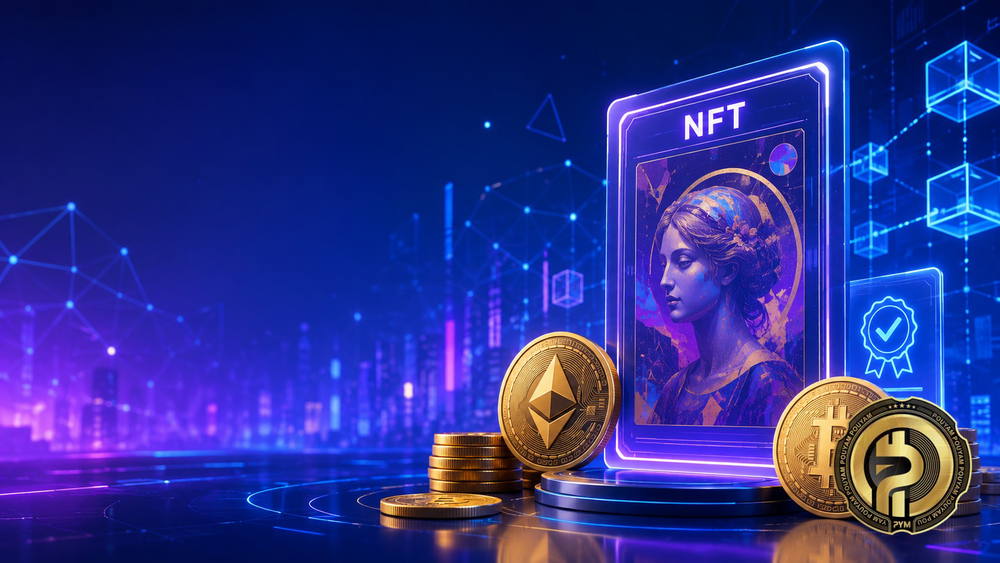
Cryptocurrency and non-fungible tokens, better known as NFTs, have introduced a new way to think about money, ownership and value online. Although both technologies are built on blockchain networks, they serve different purposes.
Cryptocurrency is primarily designed to store or transfer value. NFTs, on the other hand, are designed to represent ownership of a unique digital or physical asset.
The early NFT market became famous for expensive digital artwork and profile pictures. However, the technology behind NFTs has broader potential. It can be used for event tickets, gaming items, memberships, intellectual property, certificates and other assets that require proof of ownership.
Understanding the relationship between NFTs and crypto is important for anyone interested in the future of the digital economy.
What Is Cryptocurrency?
Cryptocurrency is a digital asset that uses blockchain technology to record and verify transactions. Unlike traditional money issued by a central bank, many cryptocurrencies operate through decentralized networks.
Bitcoin is the best-known cryptocurrency, but thousands of other crypto assets exist. Some are designed for payments, while others power blockchain applications, decentralized finance platforms or digital communities.
Most cryptocurrencies are fungible. This means that one unit can be exchanged for another unit of the same type.
For example, one Bitcoin has the same basic value and function as another Bitcoin, just as one euro can be exchanged for another euro.
Crypto can be used to:
Send money directly between users
Pay transaction fees on blockchain networks
Access decentralized applications
Participate in blockchain-based financial services
Purchase NFTs and other digital assets
Support governance in decentralized communities
Its value can rise or fall significantly, which makes cryptocurrency both an innovative technology and a highly speculative asset class.
What Is an NFT?
An NFT is a blockchain-based token that represents a unique item, right or record. The term “non-fungible” means that the token cannot simply be replaced by another identical unit.
Each NFT contains identifying information recorded on a blockchain. This record can help verify who created the token, which wallet owns it and how it has been transferred over time.
An NFT may represent:
Digital artwork
Music
Videos
Virtual land
In-game items
Event tickets
Membership passes
Collectibles
Certificates
Physical products
Intellectual property rights
Owning an NFT does not automatically mean owning the copyright to the associated image, song or content. The exact rights depend on the terms provided by the creator or project.
This distinction is important because an NFT is usually a proof-of-ownership record, not a complete transfer of every legal right connected to an asset.
How NFTs and Crypto Work Together
NFTs and cryptocurrency are closely connected because they often use the same blockchain infrastructure.
A user typically needs a crypto wallet to purchase, store or sell an NFT. The wallet holds the digital keys that allow the user to interact with blockchain networks.
The process usually works like this:
A creator produces or selects a digital asset.
The asset is connected to a blockchain token through a process called minting.
The NFT is listed on an NFT marketplace.
A buyer uses cryptocurrency to purchase the token.
The blockchain records the transfer to the buyer’s wallet.
Cryptocurrency is often used to pay both the purchase price and the network transaction fee. These network fees are sometimes called gas fees.
Because transactions are recorded on a public blockchain, users can often view an NFT’s ownership history and previous transfers.
Why Did NFTs Become Popular?
NFTs became popular because they introduced verifiable scarcity to digital content.
Before blockchain technology, digital files could be copied endlessly. An artist could publish an image online, but it was difficult to create a transparent record showing who owned an official or limited-edition version.
NFTs created a way to attach a unique token to digital content. This gave artists and creators new options for selling work directly to collectors.
Several factors contributed to the growth of NFTs:
Direct access to buyers
Creators can sell digital products without relying entirely on traditional galleries, publishers or distributors.
Online communities
Many NFT projects combine ownership with access to private groups, events, games or membership benefits.
Digital identity
Some users display NFTs as profile pictures or virtual possessions to express their interests and online identity.
Speculation
Rapidly rising prices attracted traders who hoped to buy NFTs and resell them for a profit.
Blockchain gaming
NFTs can allow players to own, trade or transfer certain in-game assets outside a single game environment, depending on how the game is designed.
The speculative side of the market received the most attention, but practical applications may ultimately become more important than expensive collectible images.
Real-World Uses of NFT Technology
NFT technology can be used anywhere a unique, transferable digital record is valuable.
Event tickets
NFT tickets can provide a transparent ownership record and may help organizers control resale rules. They can also continue functioning as digital collectibles after an event.
Memberships and loyalty programs
Businesses can issue NFT-based passes that provide access to communities, discounts, exclusive products or special experiences.
Gaming assets
Blockchain games can use NFTs to represent characters, weapons, clothing or virtual land. Players may be able to trade these items on compatible marketplaces.
Digital certificates
Schools, training providers and professional organizations could issue blockchain-based certificates that are easier to verify.
Luxury goods and product authentication
An NFT can be linked to a physical product to help document its origin, ownership history or authenticity.
Music and media
Artists can use NFTs to sell limited releases, fan memberships or special access to content.
Real estate records
NFTs may eventually support parts of property ownership and transfer systems, although legal and regulatory requirements remain significant.
These applications show that NFTs are not limited to digital art. Their broader value lies in creating verifiable records for unique assets and access rights.
Benefits of NFTs and Crypto
NFTs and cryptocurrencies offer several potential advantages.
Transparent transactions
Blockchain records can make transfers easier to track and verify.
Global access
Anyone with a compatible wallet and internet connection may be able to interact with a public blockchain network.
Direct ownership
Users can hold crypto assets in their own wallets rather than depending entirely on a centralized platform.
New revenue models
Creators can sell digital products, memberships and experiences directly to supporters.
Programmable assets
Smart contracts can automate certain rules, payments or access conditions.
However, these advantages depend heavily on how a project is designed. Blockchain technology does not automatically make every investment, marketplace or NFT trustworthy.
Risks of Investing in NFTs and Cryptocurrency
Both NFTs and crypto involve serious risks.
Price volatility
The value of a cryptocurrency or NFT can change rapidly. Some assets lose most of their value within a short period.
Scams and fraudulent projects
Fake collections, phishing websites, impersonated accounts and dishonest developers are common risks in the crypto market.
Wallet security
Blockchain transactions are usually irreversible. If a user sends funds to the wrong address or gives a scammer access to a wallet, recovering the assets may be impossible.
Market liquidity
An NFT may appear valuable based on its listed price, but that does not guarantee that another buyer is willing to purchase it.
Regulatory uncertainty
Rules involving cryptocurrency, taxation, securities and digital ownership differ between jurisdictions and may change over time.
Copyright confusion
Purchasing an NFT does not necessarily provide permission to reproduce, commercialize or modify the associated content.
Platform dependency
Although an NFT may exist on a blockchain, its image, metadata or utility can still depend on external websites, servers or companies.
Anyone considering an NFT or crypto purchase should research the project, understand the technology and avoid investing money they cannot afford to lose.
How to Evaluate an NFT or Crypto Project
Strong marketing does not always mean a project has long-term value. Before purchasing a crypto asset or NFT, examine the fundamentals.
Consider the following questions:
Is the team public and credible?
Does the project solve a real problem?
Is the blockchain activity transparent?
Are the ownership rights clearly explained?
Does the project depend mainly on attracting new buyers?
Has the smart contract been reviewed or audited?
Is the community active for genuine reasons or only focused on price?
Are promises realistic?
Is the asset stored securely?
Can the token be sold easily?
Be cautious when a project guarantees profits, creates artificial urgency or pressures users to buy immediately.
Are NFTs Dead?
NFTs are not necessarily dead, but the market has changed.
The initial hype encouraged many low-quality projects, copied collections and speculative purchases. As interest cooled, projects without useful products or committed communities struggled to survive.
This does not mean the underlying technology has no future. It means that the market is becoming more selective.
The next stage of NFT adoption may be less focused on the term “NFT” itself. Users may interact with blockchain-based tickets, game items, memberships or certificates without thinking deeply about the technology behind them.
In the same way that most internet users do not think about web protocols, future users may benefit from NFTs without treating them as a separate product category.
The Future of NFTs and Crypto
The future of NFTs and cryptocurrency will likely depend on usability, regulation, security and real-world value.
For wider adoption, blockchain applications must become easier to use. Wallet recovery, transaction fees and security remain confusing for many people.
Successful NFT projects will also need to offer more than scarcity. Long-term value is more likely to come from useful access, strong communities, trusted brands and clear ownership rights.
Cryptocurrency may continue to support payments and decentralized applications, while NFTs provide a way to represent unique assets within those systems.
Together, they could form part of a broader digital economy where users have greater control over their money, identity and online possessions.
Frequently Asked Questions
What is the main difference between an NFT and cryptocurrency?
Cryptocurrency is generally fungible, meaning each unit is interchangeable with another unit of the same type. An NFT is unique and represents a specific asset, record or ownership right.
Do I need cryptocurrency to buy an NFT?
Many NFT marketplaces require cryptocurrency, although some platforms allow users to pay with cards or traditional currencies.
Can an NFT be copied?
The associated image or file can often be copied. However, the blockchain token and its ownership record remain unique.
Are NFTs a good investment?
NFTs are highly speculative and can lose value quickly. Their suitability depends on the buyer’s goals, risk tolerance and understanding of the project.
Is NFT technology only used for art?
No. NFTs can represent tickets, memberships, gaming assets, certificates, physical products and other unique records.
Conclusion
NFTs and cryptocurrency are related technologies with different roles. Cryptocurrency enables blockchain-based value transfer, while NFTs represent unique assets and ownership records.
Both have created new opportunities for creators, businesses, developers and online communities. They have also introduced major risks involving speculation, security, fraud and unclear ownership rights.
The long-term success of NFTs and crypto will not depend on hype alone. It will depend on whether these technologies can become safer, simpler and genuinely useful.
As the digital economy develops, blockchain-based ownership may become a normal part of how people buy, sell and manage assets online.
Disclaimer: This article is for educational purposes only and does not constitute financial, investment, tax or legal advice.
Comments
Top comments