




How Edge Computing Is Changing the Future of Digital Technology
 +50
+50 Modern applications generate enormous amounts of data. Smartphones, security cameras, factory sensors, vehicles, medical devices, and smart home products constantly collect and process information....
Modern applications generate enormous amounts of data. Smartphones, security cameras, factory sensors, vehicles, medical devices, and smart home products constantly collect and process information.
Traditionally, much of this data has been sent to centralized cloud servers for analysis. Cloud computing remains essential, but it is not always the fastest or most efficient option. Sending every piece of information to a distant data center can create delays, increase bandwidth costs, and raise privacy concerns.
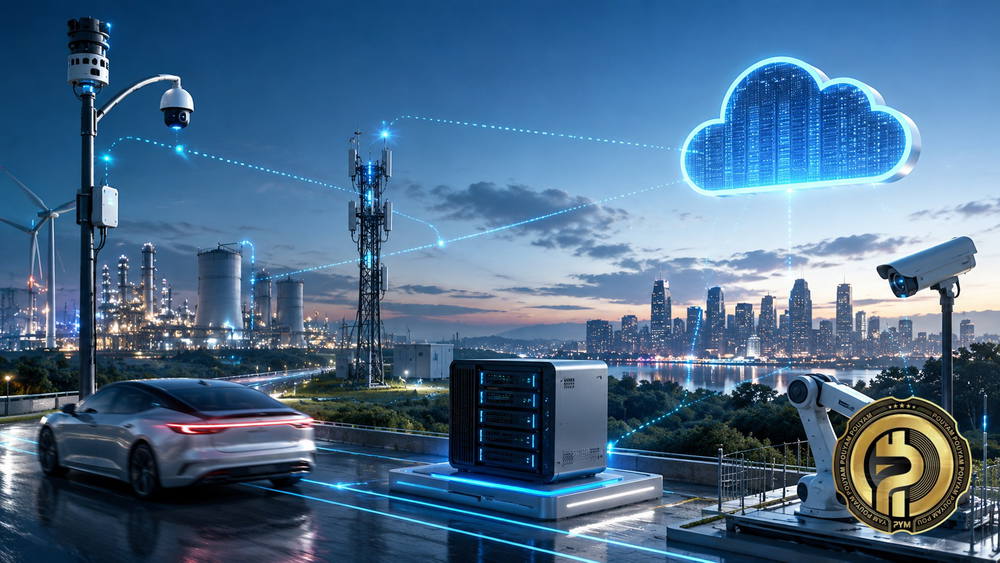
Edge computing offers a different approach. Instead of relying entirely on centralized servers, it processes data closer to where that data is created.
This shift is helping businesses build faster applications, operate connected devices more reliably, and respond to real-world events almost instantly.
What Is Edge Computing?
Edge computing is a technology model in which data is processed near its source rather than being sent exclusively to a centralized cloud platform.
The “edge” can refer to many different locations or devices, including:
A smartphone
A factory computer
A retail store server
A telecommunications tower
A smart vehicle
A local gateway connected to sensors
A medical monitoring device
For example, a security camera equipped with edge-processing capabilities can detect unusual movement locally. It does not need to upload hours of video before identifying a possible threat.
The camera may send only the relevant alert or video clip to the cloud. This reduces data transfer and allows the system to react faster.
How Edge Computing Works
An edge computing system usually includes several connected layers.
Data-Generating Devices
These are the products and machines that collect information. Examples include cameras, wearable devices, industrial sensors, smart meters, and connected vehicles.
Edge Devices or Gateways
Edge hardware receives and processes data from nearby devices. It may filter information, run software applications, perform calculations, or make automated decisions.
Central Cloud Infrastructure
The cloud still plays an important role. It can store historical data, train artificial intelligence models, manage devices, and perform large-scale analysis.
Edge computing does not necessarily replace the cloud. In most cases, the two technologies work together.
The edge handles immediate processing, while the cloud supports long-term storage, coordination, and more demanding computing tasks.
Why Edge Computing Matters
The value of edge computing comes from its ability to overcome some of the limitations of fully centralized systems.
Faster Response Times
Sending data to a remote server and waiting for a response can introduce latency. Even a short delay can be a serious problem for applications that depend on immediate decisions.
Autonomous machines, emergency systems, industrial robots, and traffic-control technologies may need to react within milliseconds.
By processing information locally, edge systems can significantly reduce response times.
Reduced Bandwidth Usage
Connected devices can produce huge volumes of data. Uploading everything to the cloud can consume substantial network capacity.
Edge computing can analyze and filter data before transmission. Only useful information needs to be sent to central servers.
A factory, for example, may use hundreds of sensors to monitor equipment. Instead of continuously uploading every reading, an edge device can send data only when it detects unusual behavior.
Better Reliability
Cloud-based services depend on stable internet connections. When connectivity is interrupted, applications that rely entirely on remote servers may stop working.
Edge systems can continue performing certain tasks locally, even when the network is unavailable or unreliable.
This is especially valuable in remote locations, transportation systems, factories, and areas with limited internet access.
Improved Data Privacy
Some information is too sensitive to send unnecessarily across external networks.
Healthcare data, facial images, location records, financial information, and workplace activity may require careful protection.
Processing this information locally can reduce the amount of sensitive data transmitted or stored remotely. Organizations can keep raw data on the device while sharing only anonymized results or necessary insights.
However, edge computing does not automatically guarantee privacy. Devices must still be secured, updated, and managed responsibly.
Edge Computing and Artificial Intelligence
Artificial intelligence is one of the most important drivers of edge computing.
AI models can now run directly on smartphones, cameras, vehicles, sensors, and other connected devices. This practice is often called edge AI.
Instead of sending raw information to a cloud platform, an edge device can recognize patterns and make decisions locally.
Examples include:
Smartphones improving photos in real time
Cameras identifying objects or suspicious behavior
Machines detecting signs of mechanical failure
Vehicles recognizing road conditions
Wearable devices analyzing health measurements
Voice assistants processing certain commands locally
Edge AI can improve speed and privacy, but it also creates technical challenges. Devices usually have less processing power, storage, and energy than large cloud servers.
Developers must therefore design smaller, more efficient AI models that can operate within limited hardware environments.
How 5G Supports Edge Computing
Faster mobile networks are making edge computing more practical.
5G networks are designed to offer lower latency, greater capacity, and better support for large numbers of connected devices. These capabilities can help organizations move processing closer to users and equipment.
Telecommunications companies can place computing infrastructure near mobile network locations. Applications can then access processing power without connecting to a distant data center.
This combination of 5G and edge computing may support:
Connected transportation systems
Remote industrial operations
Augmented reality applications
Smart city infrastructure
Real-time video analysis
Advanced mobile gaming
Emergency response technologies
The benefits will depend on network availability, infrastructure investment, and the specific requirements of each application.
Major Uses of Edge Computing
Edge computing is already being used across several industries.
Manufacturing
Factories use edge systems to monitor machinery, detect defects, and improve production efficiency.
Sensors can collect vibration, temperature, pressure, and performance data. Local systems can analyze these signals and identify early signs of equipment failure.
This allows maintenance teams to fix problems before they cause expensive production delays.
Healthcare
Medical devices can process patient information closer to the point of care.
Wearable monitors, diagnostic equipment, and hospital systems may use edge computing to detect changes in a patient’s condition without waiting for remote cloud processing.
Local processing can also help healthcare providers limit the movement of sensitive medical data.
Retail
Retailers use edge technology for inventory tracking, checkout systems, customer analytics, digital signage, and store security.
A store can process video or sensor data locally to measure product availability and customer traffic. It can then send summarized insights to a central platform.
Transportation
Modern vehicles contain many sensors, cameras, and computing systems. They must analyze road conditions and vehicle performance quickly.
Edge computing supports driver-assistance features, predictive maintenance, route optimization, and communication between vehicles and infrastructure.
Smart Homes and Buildings
Connected thermostats, cameras, lighting systems, alarms, and appliances can make local decisions based on user behavior and environmental conditions.
Local processing can make these systems faster and less dependent on continuous internet access.
Energy and Utilities
Energy providers use edge devices to monitor power networks, manage equipment, and detect unusual conditions.
Smart grids can analyze electricity demand and respond to changes more efficiently. Edge systems are also useful for remote energy facilities where network connectivity may be limited.
Edge Computing vs. Cloud Computing
Edge and cloud computing are sometimes presented as competing technologies, but they usually serve different purposes.
Edge ComputingCloud ComputingProcesses data near the sourceProcesses data in centralized data centersDesigned for fast local decisionsDesigned for large-scale computing and storageCan operate with limited connectivityUsually depends on network accessReduces the amount of data transmittedSupports centralized access and managementUses devices with limited resourcesProvides highly scalable resources
A connected vehicle may use edge computing to detect an obstacle immediately. It may later upload driving data to the cloud for long-term analysis.
The strongest systems often combine both models.
Challenges of Edge Computing
Despite its advantages, edge computing introduces new operational and security concerns.
Device Management
Organizations may need to manage thousands of edge devices across different locations.
Each device must be configured, monitored, updated, and repaired. Managing a distributed system can be more complicated than maintaining a centralized data center.
Security Risks
Every connected edge device can become a potential target.
Poorly protected devices may expose sensitive information or provide attackers with access to a broader network. Strong authentication, encryption, secure software updates, and device monitoring are essential.
Physical security also matters because edge equipment may be installed in public or remote locations.
Limited Computing Resources
Edge devices often have less memory, storage, and processing power than cloud servers.
Applications must be carefully optimized. Developers may need to decide which tasks should happen locally and which should be transferred to the cloud.
Compatibility Problems
Edge environments can include hardware and software from many manufacturers.
Without common standards, integrating these systems can become expensive and difficult. Organizations must evaluate whether devices, platforms, networks, and applications can work together effectively.
Higher Infrastructure Complexity
Edge computing can require additional hardware, networking equipment, technical support, and management tools.
Organizations should avoid adopting it simply because it is popular. The technology is most valuable when local processing solves a specific business or operational problem.
What Developers Should Consider
Developers building edge applications must think beyond traditional cloud software design.
Important considerations include:
How quickly must the application respond?
Can it continue working without internet access?
Which data should remain local?
Which information should be sent to the cloud?
How will software updates be delivered securely?
What happens when a device fails?
How much processing power and energy are available?
How will data remain consistent across devices?
Developers should also design applications that degrade gracefully. When a connection fails or a device reaches its resource limit, the system should continue providing essential functions whenever possible.
The Future of Edge Computing
Edge computing is likely to become more common as connected devices become more powerful.
Smartphones, vehicles, industrial equipment, and consumer electronics increasingly contain specialized processors designed for AI and real-time analysis. As this hardware improves, more applications will be able to operate directly on local devices.
The future will probably involve a distributed computing environment rather than a simple choice between edge and cloud.
Data and workloads will move between devices, local servers, telecommunications networks, and cloud platforms depending on factors such as speed, cost, privacy, and computing demand.
For users, this shift may produce applications that feel faster and work more reliably. For businesses, it may improve automation, reduce network costs, and create new services based on real-time information.
At the same time, organizations will need better tools for security, device management, and software deployment.
Conclusion
Edge computing is changing how digital systems collect, process, and use data.
By moving certain computing tasks closer to users and connected devices, it can reduce delays, lower bandwidth requirements, improve reliability, and support stronger privacy controls.
Its greatest value does not come from replacing the cloud. It comes from deciding which tasks should happen locally and which should remain centralized.
As artificial intelligence, 5G networks, and connected devices continue to develop, edge computing will become an increasingly important part of modern technology infrastructure.
Comments
Top comments