




At least 11 killed in Ukraine; fighting continues with the exchange of attacks between Moscow and Kyiv
 +163
+163 گزارش رسانهای از ادامه تبادل حملات میان مسکو و کییف خبر میدهد که در آن دستکم ۱۱ نفر در اوکراین کشته شدهاند. در بخش دیگری از همین روند، یک حمله به کیروف در روسیه نیز به کشته شدن ۶ نفر منجر شده است. همچنین گفته شده انبارهای وایلدبریز برای بار دیگر هدف حمله قرار گرفتهاند. با این حال، جزئیات دقیق نوع حملهها و زمینه فنی یا عملیاتی آنها در دادههای ارائهشده روشن نیست و نیازمند گزارشهای تکمیلی است.
What has been reported with certainty
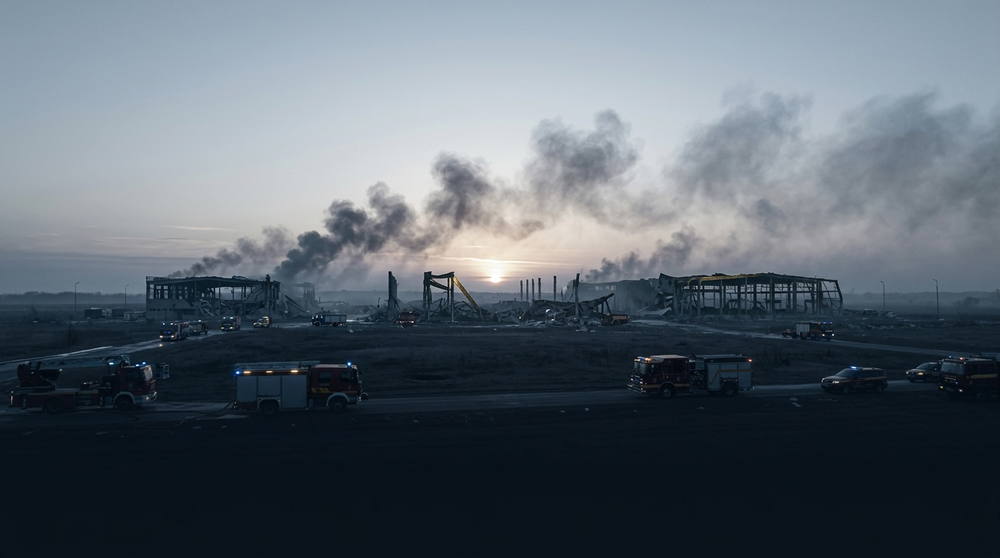
According to a media report, during the recent clashes between Ukraine and Russia, at least 11 people have been killed in Ukraine. Also, following an attack on the city of “Kirov” in Russia, six more people were reported killed. In this same context, the “Wildberries” warehouses have also been targeted again. These cases are presented in the report as the result of the continued “exchange of attacks” between Moscow and Kyiv.
Background: the cycle of attack and response on both sides of the line
This report is placed within a process in which attacks in the territories of the two countries are attributed both to military targets and to infrastructure and non-civilian areas. When, within a certain time frame, human losses in Ukraine and losses inside Russia are reported, it indicates that the scope of the effects of the fighting is not limited only to nearby front lines. The simultaneous reference to an attack on a city in Russia and the repeated targeting of distribution centers of a company active in e-commerce also indicates that the consequences of these clashes can spill over into economic and everyday areas as well.
Reliable details and parts that are still unclear
In the “reported facts” section, the casualty figures (at least 11 killed in Ukraine and 6 killed in Kirov) and the news of a renewed attack on the Wildberries warehouses are mentioned. However, in this summarized report, information about the precise nature of the attacks, the type of systems, exact timing, more specific locations, or the circumstances under which the victims were killed is not provided. It also cannot be confirmed from the provided data what exact objective these attacks pursued—whether military or strategic. Therefore, it can be said that the “human outcome” and the “claim of warehouse targeting” are clear, but the “how and why” of many aspects still requires additional information.
Global repercussions: beyond the battlefield
The exchange of attacks between the two countries, even when discussed in the media primarily as security events, has broader effects as well. First, human casualties on each side contribute to the continuation of human pressure on local communities and increase the human cost of the war. Second, targeting logistics centers and warehouses—in this case with reference to the warehouses of an economic group—can disrupt the supply chain and affect the flow of goods. Third, such attacks can intensify security concerns and operational risk for companies, workers, and distribution networks in the related areas.
What could happen next?
Given that the report explicitly refers to the “continuation of the exchange of attacks,” it is reasonable to expect that the current trend could also continue in the short term, with both sides responding to each other’s incidents. In such a situation, it is likely that media and public focus will increase on human casualties, damage to infrastructure, and economic disruptions. However, based on the available data, no conclusion can be drawn about exactly where and with what specifics the next attack will occur. What can be followed is the publication of additional reports about the details of locations, the extent of damage, and official or independent assessments of the incidents.
What should be followed: clarifying details and assessing damage
In the days and hours ahead, the most important issues for a more precise understanding of these events include: the accuracy and scope of the casualty count, the precise location of the incidents and how the facilities (including the mentioned warehouses) were affected, and also the extent of disruption that has been inflicted on economic and logistical activities. It is also necessary to determine whether these attacks were carried out as part of a direct response to previous incidents, or whether they were part of a larger operational pattern. Until additional information is published, part of the analysis will inevitably remain at the level of “consequences” and “overall trend,” and one should avoid making definitive conclusions about the “cause” or the “precise target.”
Comments
Top comments